
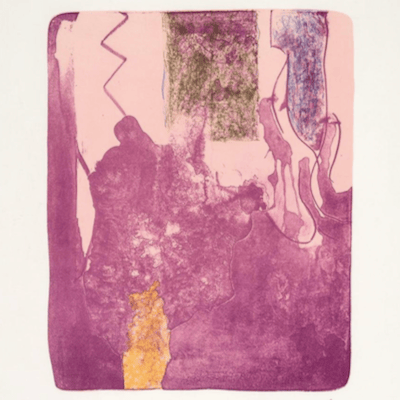
What is abstract expressionism?
- Show All
- Established
- Discoveries
- Show All
Artworks Related to Abstract expressionism

Donald Sultan
Wallflowers (black on aqua), 2018
Limited Edition Print
Screen-print
USD 9,000 - 12,000

Donald Sultan
Button flower aqua, Sept 15, 2014, 2014
Limited Edition Print
Silkscreen
EUR 2,800
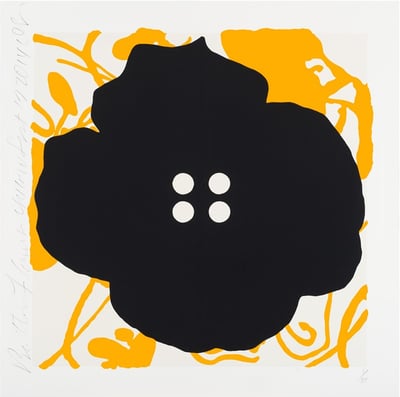
Donald Sultan
Button flower yellow, Sept 17, 2014, 2014
Limited Edition Print
Silkscreen
EUR 2,800
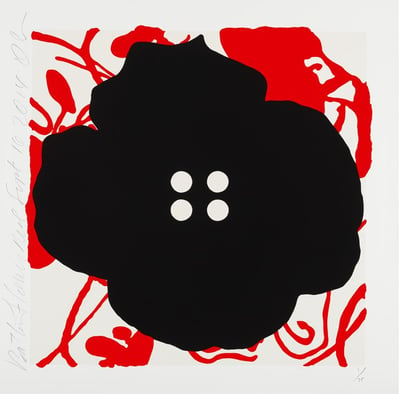
Donald Sultan
Button flower red, Sept 16, 2014, 2014
Limited Edition Print
Silkscreen
EUR 2,800

Donald Sultan
Button Down Boogie Woogie, 2016
Limited Edition Print
Archival Print
EUR 2,800
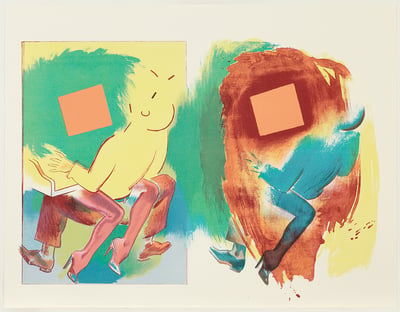
Allen Jones
Two Part Invention, 2012
Limited Edition Print
Lithograph
EUR 2,500

Allen Jones
Study for Night Fever, 1990
Drawing / Watercolor
Pencil
EUR 8,500

Allen Jones
Swing Low, 2012
Limited Edition Print
Lithograph
EUR 2,500

Allen Jones
Gentlemen, 2012
Limited Edition Print
Lithograph
EUR 2,500
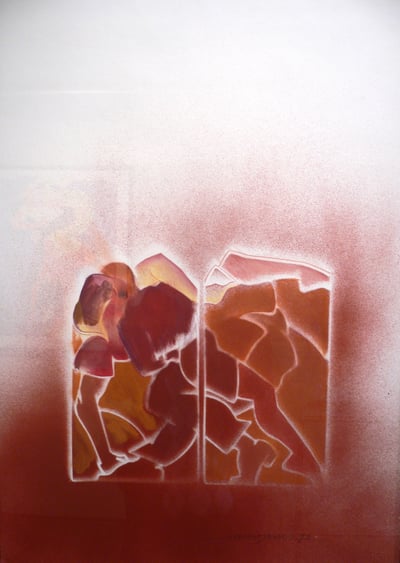
Allen Jones
Dancing Gate, 1993
Limited Edition Print
Mixed Media
EUR 12,000
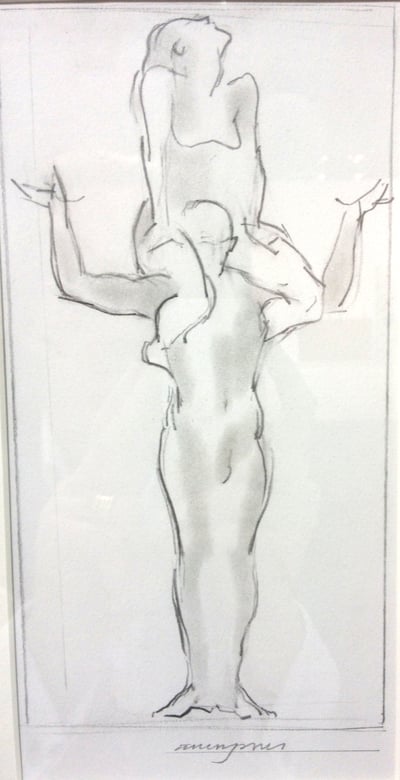
Allen Jones
Cascade, 1999
Drawing / Watercolor
Pencil
EUR 8,500

Allen Jones
Just Like That, 2012
Limited Edition Print
Lithograph
EUR 2,500
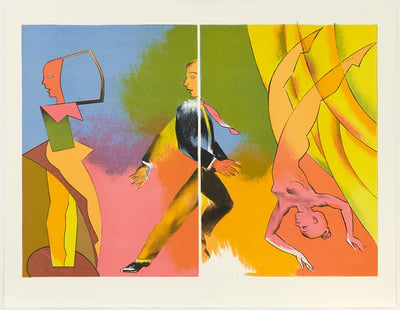
Allen Jones
Split Performance, 2012
Limited Edition Print
Lithograph
EUR 2,500
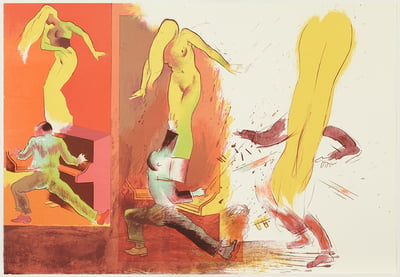
Allen Jones
Second Thought, 2012
Limited Edition Print
Lithograph
EUR 2,500

Allen Jones
Maitresse I, 2016
Limited Edition Print
Screen-print
EUR 2,800

Miquel Barceló
Hombre Borracho En Un Bar 1, 1983
Limited Edition Print
Lithograph
EUR 3,750
Related Articles

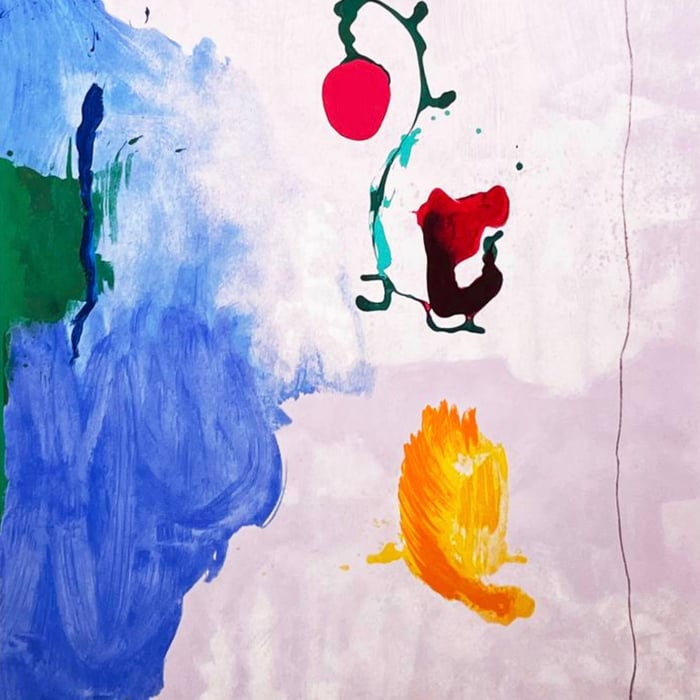
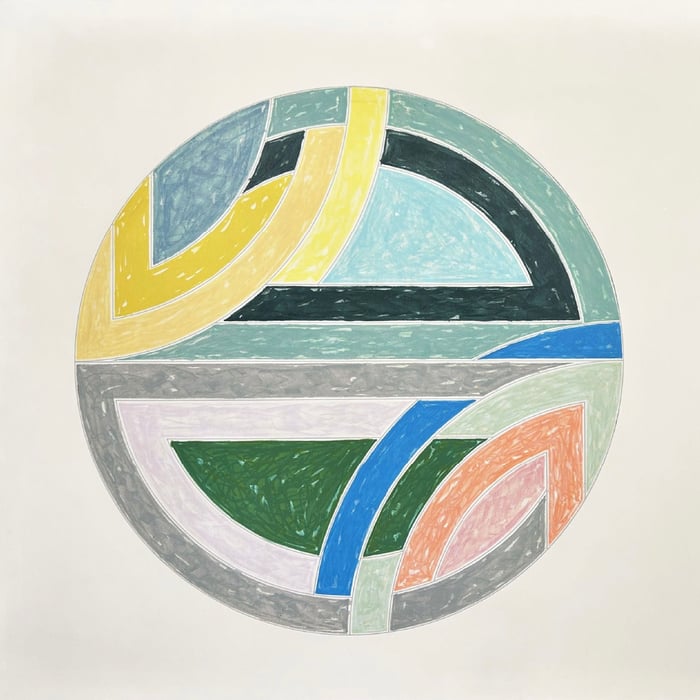
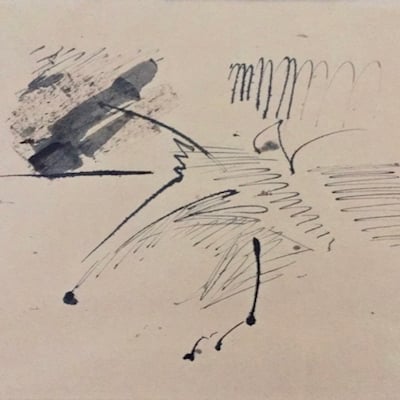
Art Informel is a French term referring to the gestural and improvisational techniques common in abstract painting during the 1940s and 50s. It encompasses various styles that dominated these decades, characterized by informal, spontaneous methods. Artists used this term to describe approaches that moved away from traditional structures and embraced more expressive, unstructured techniques.
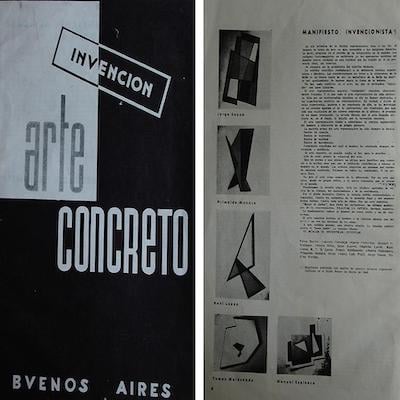
The Manifesto Invencionista was published in 1946, marking the beginning of the concrete art movement in Buenos Aires, Argentina. Written by artist Tomás Maldonado and published by the Asociación Arte Concreto-Invención, the manifesto announced the principles of Concrete Art. Concrete art is purely abstract, with no reference to visual reality, emphasizing geometric forms and the materiality of the artwork itself.
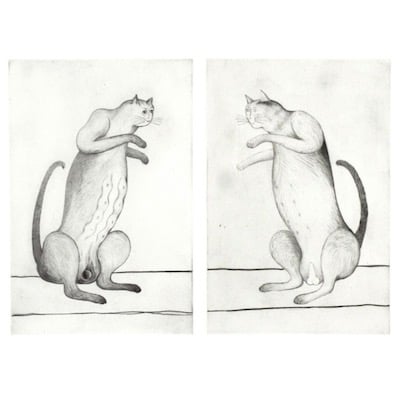
A diptych is an artwork composed of two panels. These panels can be painted, carved, or made using various mixed media techniques. They may be connected by hinges, allowing them to close for protection, or they can be displayed side by side. Historically, diptychs were often used in religious art.
Can't find your Answer?
Thank you! Your question has been sent — we'll get back to you shortly.
