
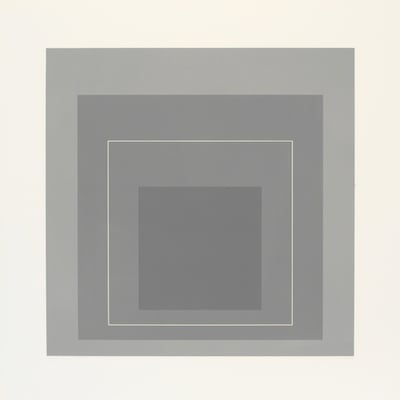
What is concrete art?
- Show All
- Established
- Discoveries
- Show All
Artworks Related to Concrete art

Luis Tomasello
S/T 3 - Naranja, 2013
Limited Edition Print
Lithograph
EUR 3,000

Luis Tomasello
S/T 2 - Verde, 2013
Limited Edition Print
Lithograph
EUR 3,000

Luis Tomasello
S/T 2 - Rosa, 2013
Limited Edition Print
Lithograph
EUR 3,000
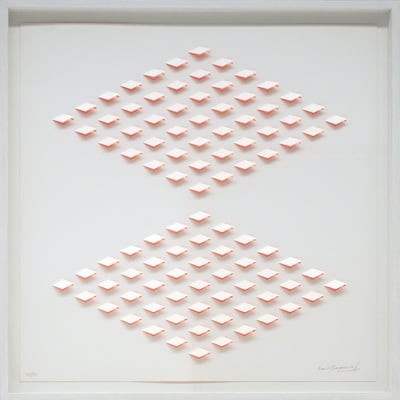
Luis Tomasello
S/T 2 - Naranja , 2013
Limited Edition Print
Lithograph
EUR 3,000

Luis Tomasello
S/T 1 - Rosa , 2013
Limited Edition Print
Lithograph
EUR 3,000

Luis Tomasello
S/T 1 - Naranja , 2013
Limited Edition Print
Lithograph
EUR 3,000

Waltercio Caldas
WC 56 7, 2015
Limited Edition Print
Mixed Media
EUR 1,800
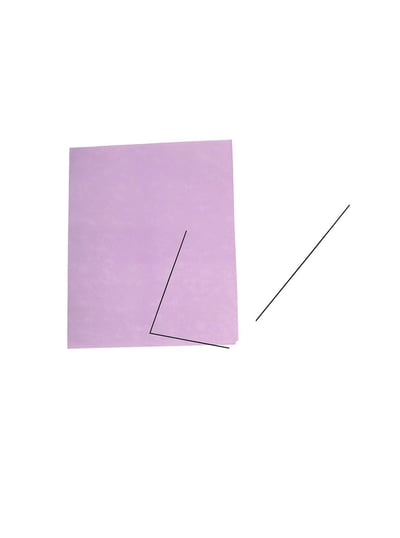
Waltercio Caldas
WC 56 5, 2015
Limited Edition Print
Lithograph
EUR 1,800
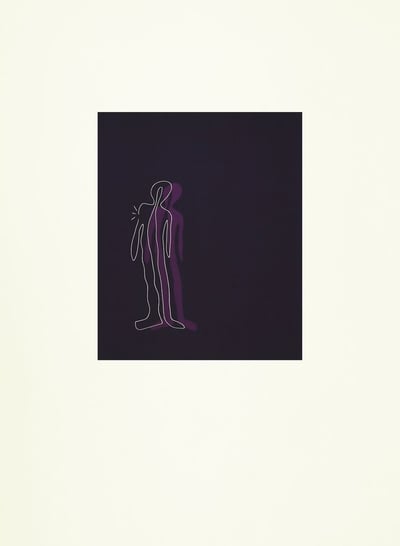
Waltercio Caldas
WC 56 4, 2015
Limited Edition Print
Lithograph
EUR 1,800

Waltercio Caldas
WC 56 3, 2015
Limited Edition Print
Lithograph
EUR 1,800
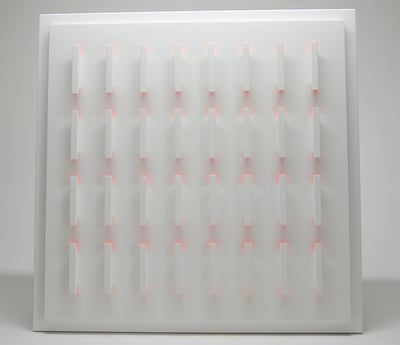
Luis Tomasello
Chromoplastique 1025, 2013
Sculpture / Object
Wood
EUR 4,000
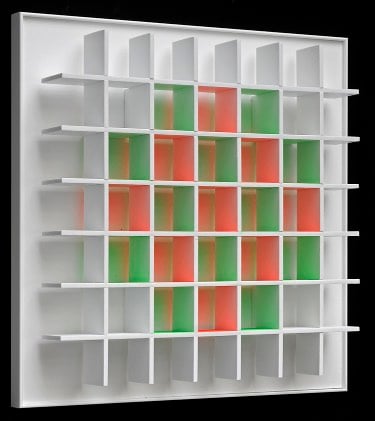
Luis Tomasello
Grille Chromoplastique B, 2012
Sculpture / Object
Mixed Media
EUR 2,000
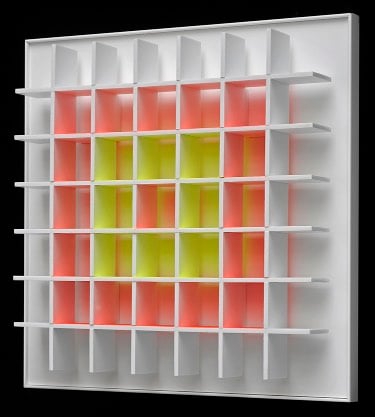
Luis Tomasello
Grille chromoplastique A, 2012
Sculpture / Object
Object
EUR 2,000

Luis Tomasello
Cube atmosphére chromoplastique, 2011
Sculpture / Object
Wood
EUR 6,000
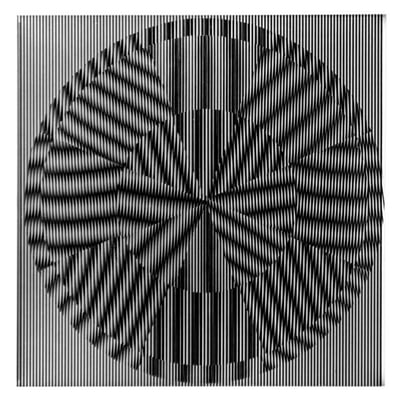
Ludwig Wilding
SBST 2839, 2001
Limited Edition Print
Mixed Media
EUR 1,500

Victor Vasarely
Drawing I
Drawing / Watercolor
Mixed Media
EUR 4,500
Related Articles
Bauhaus was a school of art, design and architecture established in Weimar, Germany. Architect Wlater Gropius established it in 1919. Bauhaus used a method for teaching within a community of artists working together and incorporating art in the fundamentals of daily life.

Transavanguardia is the Italian version of Neo-Expressionism, referring to an art movement that emerged in Italy and other parts of Western Europe during the 1970s and 1980s. The term translates to beyond the avant-garde. Transavanguardia arose as a reaction against the dominance of conceptual art, reintroducing emotion and reviving painting as a primary medium. The movement marked a return to mythic imagery and figurative art, celebrating a rediscovery of traditional forms and themes in a contemporary context.
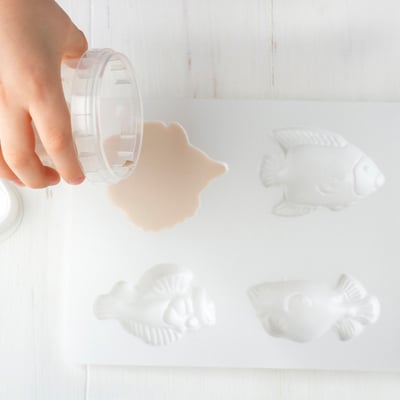
A cast is a form created by pouring a liquid material, such as plastic, plaster, acrylic, concrete, or mixed media, into a mold. Once the liquid cools and fully solidifies, the cast is removed from the mold, revealing the final shape. This process is widely used in sculpture, manufacturing, and various forms of art to replicate intricate designs and shapes.
Can't find your Answer?
Thank you! Your question has been sent — we'll get back to you shortly.
