

What is Contemporary art from India?
Contemporary art from India dates from 1985 to the present, marking the post-liberalization era. During this period, artists have felt free to create independently of traditional Hindu or social conventions. They often incorporate distinctly Indian materials and objects in their work, reflecting a blend of modern ideas and cultural heritage.
Show All
- Show All
- Established
- Discoveries
Show All
- Show All
Artworks Related to Contemporary art from India
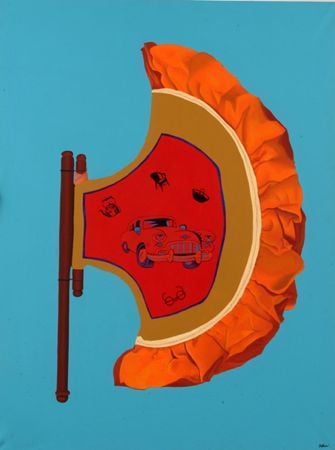
Babu Eshwar Prasad
Untitled, 2006
Painting
Acrylic on canvas
EUR 2,000
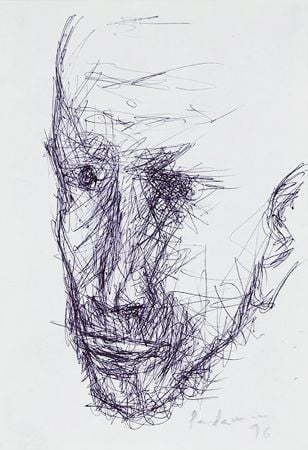
Akbar Padamsee
Portrait, 1996
Drawing / Watercolor
Mixed Media
Artwork On Hold
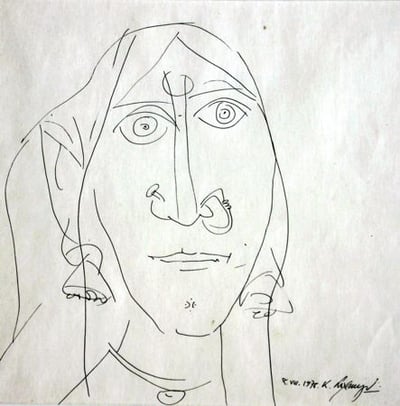
Laxma Goud
Lady, 1976
Drawing / Watercolor
East Indian ink
EUR 3,000
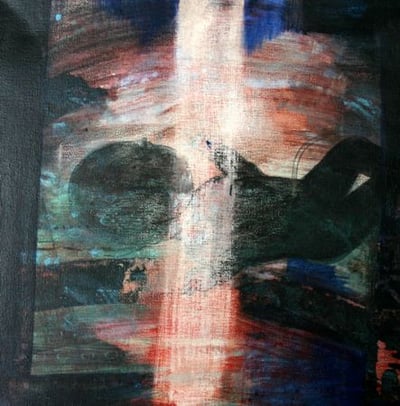
Chintan Upadhyay
Before she was discovered 3, 2007
Painting
Oil on canvas
USD 3,000
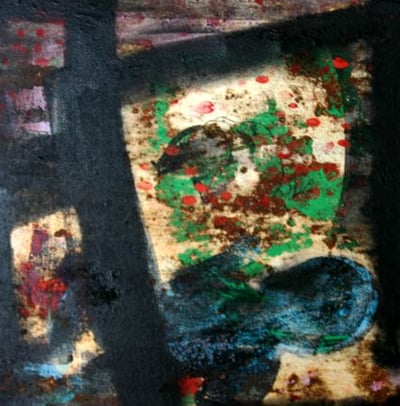
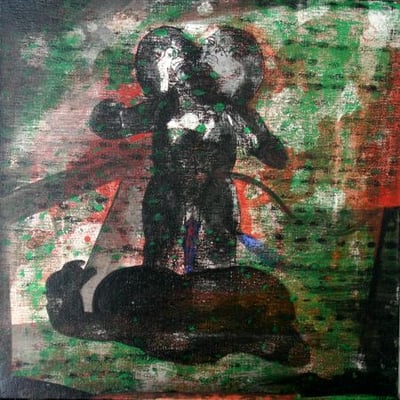
Chintan Upadhyay
Before she was discovered 2, 2007
Painting
Oil on canvas
USD 3,000
Chintan Upadhyay
Before she was discovered 1, 2007
Painting
Oil on canvas
USD 3,000

Subodh Gupta
title unknown, 2006
Photography
Photograph
Currently Not Available
Related Articles



Queer Aesthetics refers to an art movement that emerged in the 1980s, focusing on themes of homosexuality, lesbianism, and broader issues of identity and gender. This movement gained momentum in the context of the AIDS crisis and the feminist movement, challenging traditional representations of sexuality and gender. Queer Aesthetics often explores the fluidity of gender and identity, as seen in the works of artists like Nan Goldin, who is known for her photography of individuals with ambiguous or non-conforming gender presentations.

Contemporary art refers to avant-garde or innovative art created in the recent past or present day. The exact starting point of contemporary art varies depending on the institution, often tied to the founding year of museums or galleries that showcase the style. Contemporary art is characterized by its focus on current ideas, diverse media, and the exploration of new concepts and techniques.

Situationism is a psychological theory that gained prominence in 1968, following the publication of a monograph by Walter Mischel that sparked the Person-situation debate. This theory argues that behavior is primarily influenced by external situational factors rather than internal traits or motivations, challenging the ideas of trait theorists like Raymond B. Cattell and Hans Eysenck, who emphasized stable personality traits. It is important not to confuse this with the Situationist International movement, an artistic and political movement founded by Asger Jorn, which focused on the critique of modern consumer society and the influence of environments on human behavior.
Can't find your Answer?
Thank you! Your question has been sent — we'll get back to you shortly.
