

What is etching?
- Show All
- Established
- Discoveries
- Show All
Artworks Related to Etching
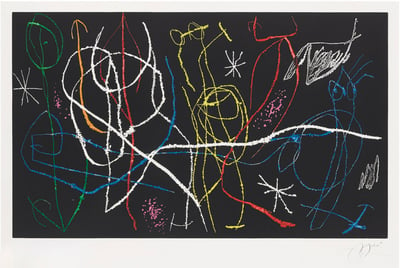
Joan Miró
Sunday Guest III (L'Invitée du Dimanche), 1969
Limited Edition Print
Etching
USD 10,900
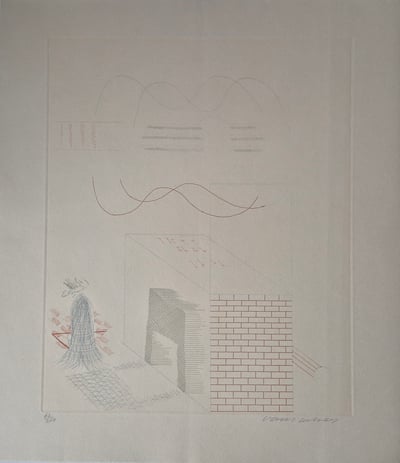
David Hockney
Buzzing of the Blue Guitar, 1977
Limited Edition Print
Etching
EUR 5,400
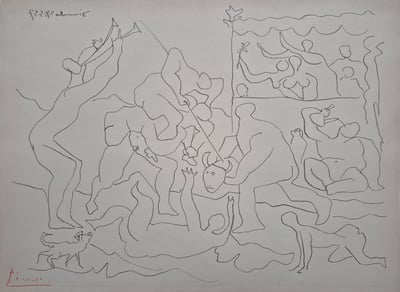
Pablo Picasso
Jeu de corrida, 1957
Limited Edition Print
Etching
EUR 6,000

Manolo Valdés
Still Life II (V), 1986
Limited Edition Print
Etching
EUR 1,550
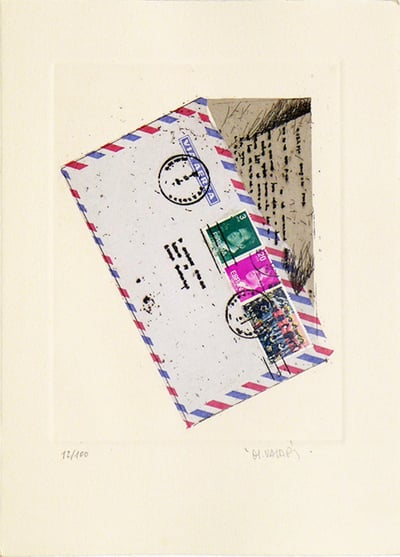
Manolo Valdés
Still Life I, 1986
Limited Edition Print
Etching
EUR 1,550

Manolo Valdés
Still Life II, 1986
Limited Edition Print
Etching
EUR 1,550

Manolo Valdés
Still Life IV, 1986
Limited Edition Print
Etching
EUR 1,550

Pablo Picasso
Femme Veillant une Dormeuse, 1932
Limited Edition Print
Etching
USD 7,500

Keith Haring
Untitled (w/ Sean Kalish) #9, 1989
Limited Edition Print
Etching
USD 3,600

Keith Haring
Untitled (w/ Sean Kalish) #7, 1989
Limited Edition Print
Etching
USD 3,600

Keith Haring
Untitled (w/ Sean Kalish) #11, 1989
Limited Edition Print
Etching
USD 3,600
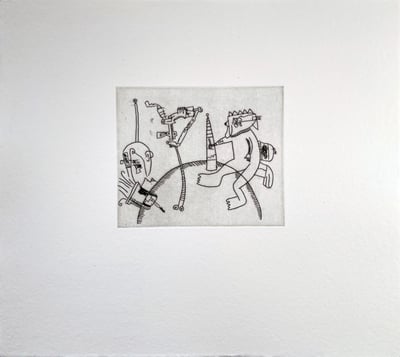
Keith Haring
Untitled (w/ Sean Kalish) #10, 1989
Limited Edition Print
Etching
USD 3,600
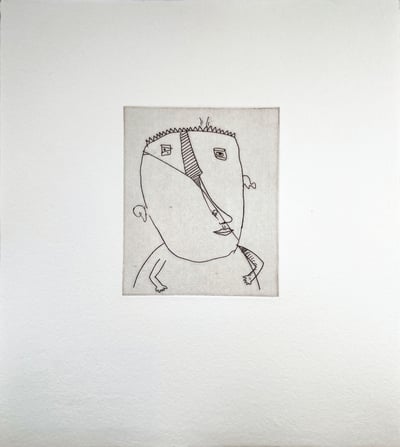
Keith Haring
Untitled (w/ Sean Kalish) #6, 1989
Limited Edition Print
Etching
USD 3,600

Keith Haring
Untitled (w/ Sean Kalish) #5, 1989
Limited Edition Print
Etching
USD 3,600

Keith Haring
Untitled (w/ Sean Kalish) #4, 1989
Limited Edition Print
Etching
USD 3,600
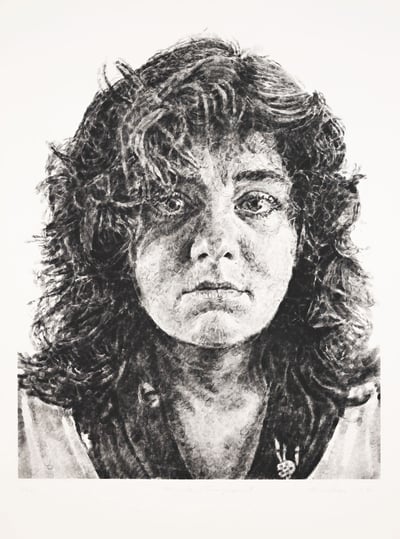
Chuck Close
Marta/Fingerprint, 1986
Limited Edition Print
Etching
Inquire For Price
Related Articles


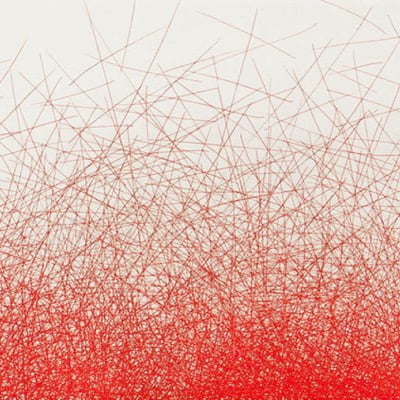
Tansaekhwa, also known as monochrome painting, is a movement in Korean art that began in the mid-1970s. These artworks are characterized by the manipulation of painting materials, such as pushing paint, soaking the canvas, ripping paper, or other techniques that alter the medium. Tansaekhwa emphasizes texture, materiality, and the physical process of creating the artwork.

A Catalogue Raisonné is an annotated and comprehensive listing of all the known works of an artist. It includes detailed information that helps to identify and authenticate the artist's output across all media or within a specific medium. Typical details in a catalogue raisonné include the title, dimensions, date, medium, and current location of each work. This resource is essential for scholars, collectors, and art historians in tracking and verifying the complete body of work by an artist.

A silver gelatin print is a type of photographic print made using the silver process. In this process, photographic materials such as black and white films and printing papers are coated with a light-sensitive emulsion of silver salts suspended in gelatin. This emulsion is applied to a support, which could be flexible plastic, glass, resin-coated paper, or baryta paper. The materials are light-sensitive and remain stable under normal storage conditions, making them ideal for long-term preservation.
Can't find your Answer?
Thank you! Your question has been sent — we'll get back to you shortly.
