

What is etching?
- Show All
- Established
- Discoveries
- Show All
Artworks Related to Etching
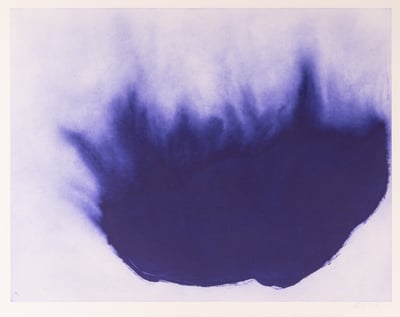
Anish Kapoor
Composition No 3, from 12 Etchings, 2007
Limited Edition Print
Etching
USD 15,000
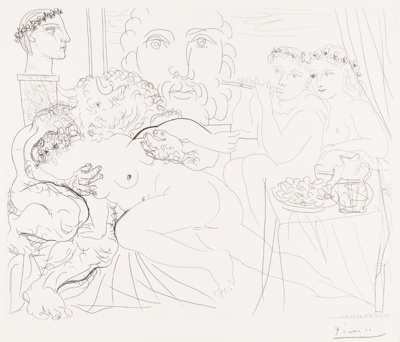
Pablo Picasso
Minotaur Caressing a Woman, 1933
Limited Edition Print
Etching
USD 24,000 - 26,000

Pablo Picasso
Sculptor Reclining Before Centaur and Woman, 1933
Limited Edition Print
Etching
USD 15,100

Sam Francis
Untitled Red (American Foundation), 1992
Limited Edition Print
Etching
USD 11,600
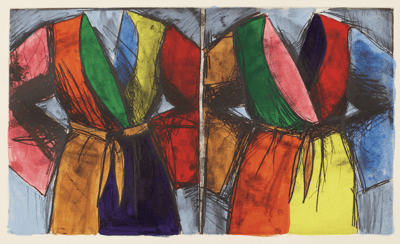
Jim Dine
Jumps Out at You, No?, 1993
Limited Edition Print
Etching
USD 14,000 - 16,000
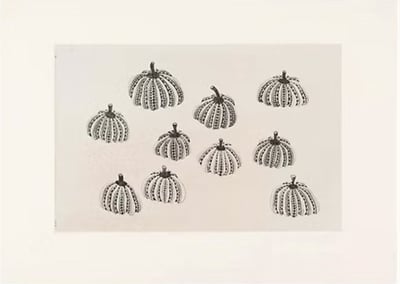
Yayoi Kusama
Pumpkin Army, 1994
Limited Edition Print
Etching
GBP 45,000 - 50,000
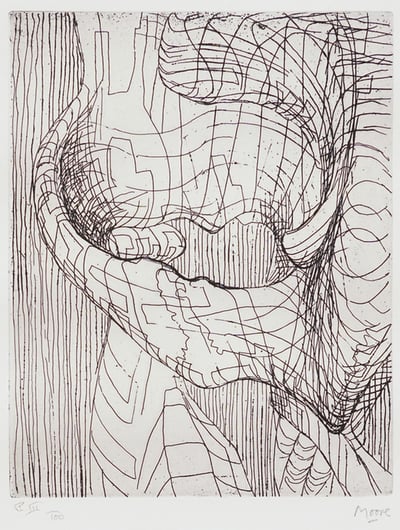
Henry Moore
Elephant Skull, 1969
Limited Edition Print
Etching
GBP 1,620
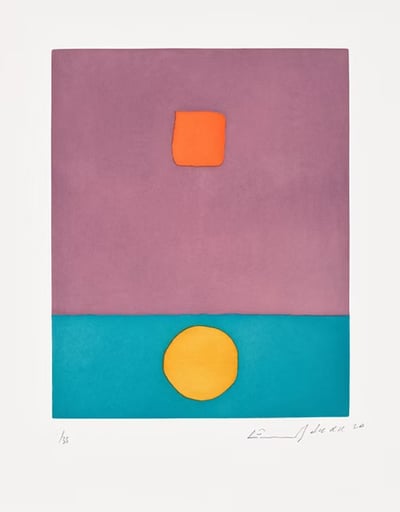
Etel Adnan
La Soleil a Vécu (The Sun has Lived), 2020
Limited Edition Print
Etching
GBP 9,000
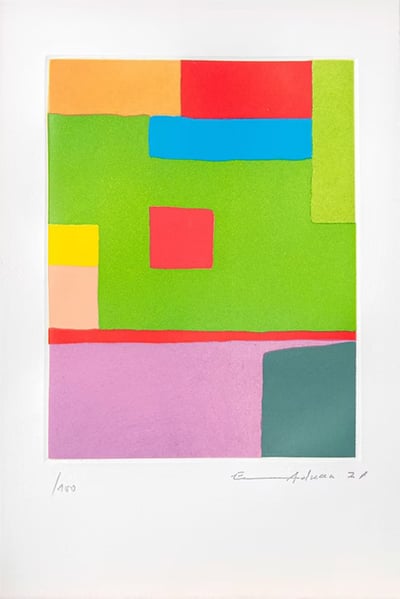
Etel Adnan
Fil du Temps, 2021
Limited Edition Print
Etching
GBP 5,500 - 7,000
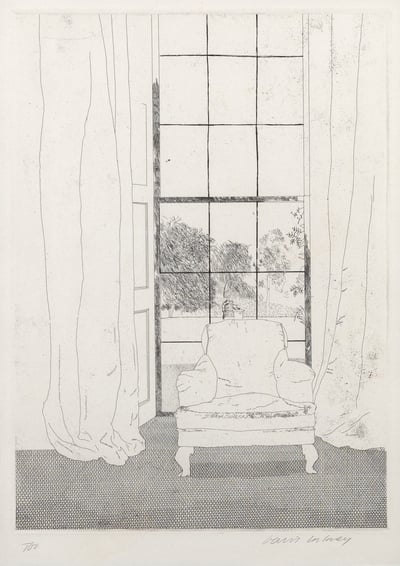
David Hockney
Home, 1969
Limited Edition Print
Etching
GBP 25,000 - 32,500
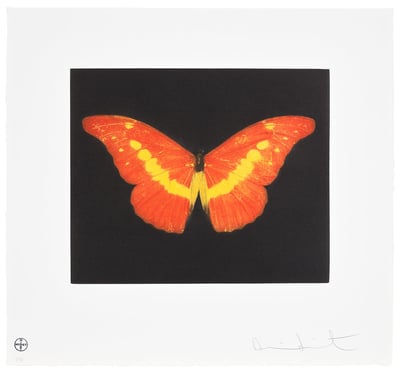
Damien Hirst
To Love, 2008
Limited Edition Print
Etching
GBP 8,500 - 11,000
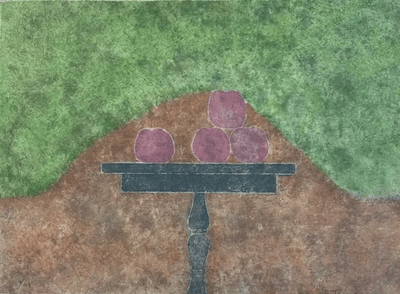
Rufino Tamayo
Bodegón, 1980
Limited Edition Print
Etching
EUR 5,200
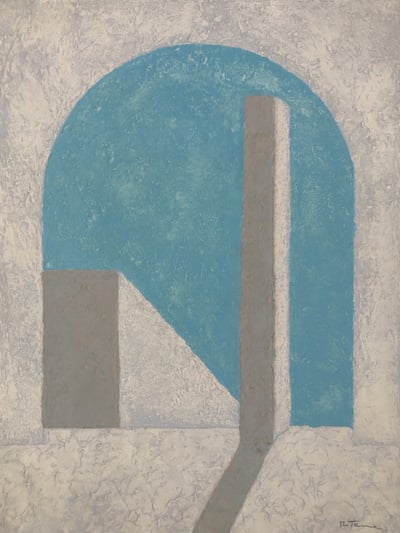
Rufino Tamayo
Torre Blanca, P. 197, 1976
Limited Edition Print
Etching
USD 5,500

Rufino Tamayo
Dos Figuras, P. 205, 1976
Limited Edition Print
Etching
USD 6,600

Rufino Tamayo
Cabeza Sur Fonde Verte, P. 258, 1984
Limited Edition Print
Etching
USD 6,600
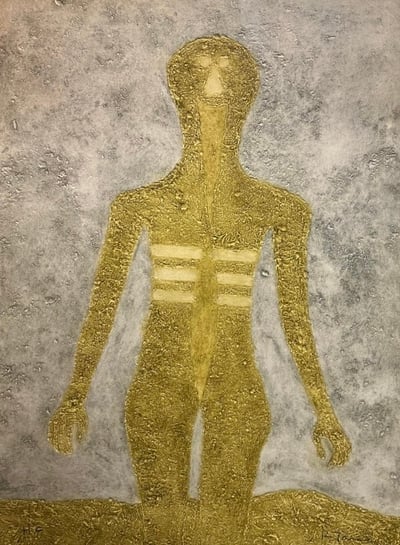
Rufino Tamayo
Figura Sobre Azur, 1976
Limited Edition Print
Etching
USD 5,200
Related Articles


Sand consists of loose grains of material primarily made up of minerals like quartz, mica, and feldspar, as well as small fragments of rocks. Sand paintings are created by pouring colored sand into intricate designs, often for cultural rituals or special celebrations. These designs can take many days to complete and are traditionally brushed away after the ceremony, emphasizing the impermanence of the artwork.

Transavanguardia is the Italian version of Neo-Expressionism, referring to an art movement that emerged in Italy and other parts of Western Europe during the 1970s and 1980s. The term translates to beyond the avant-garde. Transavanguardia arose as a reaction against the dominance of conceptual art, reintroducing emotion and reviving painting as a primary medium. The movement marked a return to mythic imagery and figurative art, celebrating a rediscovery of traditional forms and themes in a contemporary context.

Acrylic on paper is a technique that involves using acrylic paints on various paper types and textures. Artists often choose watercolor paper with smooth or rough surfaces to apply acrylics using watercolor techniques such as bleeding, washing, and spattering. This approach allows for a wide range of effects, combining the flexibility of acrylics with the delicate qualities of watercolor methods.
Can't find your Answer?
Thank you! Your question has been sent — we'll get back to you shortly.
