
What is figurative art?
- Show All
- Established
- Discoveries
- Show All
Artworks Related to Figurative art

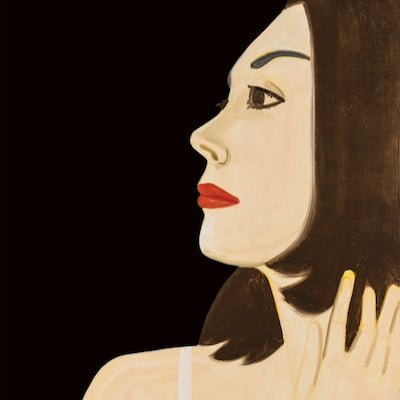
Alex Katz
Lauren, 2017
Limited Edition Print
Digital Print on paper
Inquire For Price

Alex Katz
Katryn, 2017
Limited Edition Print
Digital Print on paper
Inquire For Price

Alex Katz
Ursula, 2017
Limited Edition Print
Digital Print on paper
Inquire For Price

Jean-Michel Folon
Untitled (unique Gouache)
Painting
Gouache
USD 10,900
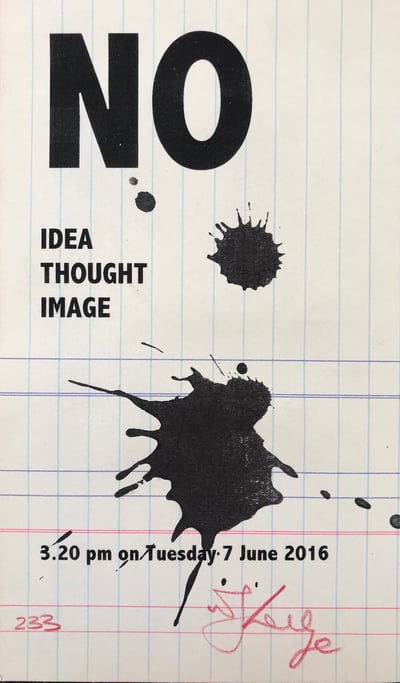
William Kentridge
No Idea Thought Image, 2016
Limited Edition Print
Screen-print
Currently Not Available

Francesco Clemente
Untitled Self Portrait, 1993
Limited Edition Print
Inkjet print
USD 4,650

Wilhelm Sasnal
Damned Youth, 2011
Limited Edition Print
Linocut
Currently Not Available
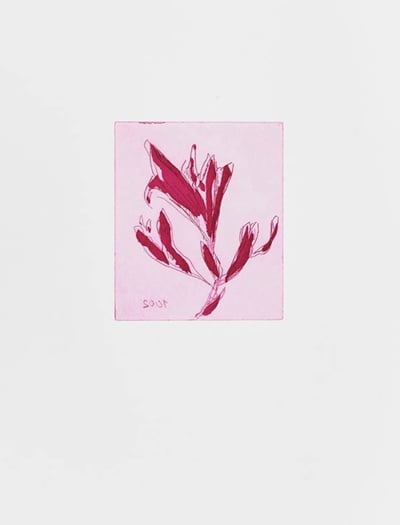
Thomas Schutte
Flowers , 2001
Limited Edition Print
Drypoint
Currently Not Available

Jean-Michel Folon
Je vous ecris de Coney Island , 1986
Limited Edition Print
Silkscreen
USD 990

Jean-Michel Folon
Je vous ecris de New York , 1986
Limited Edition Print
Silkscreen
USD 990
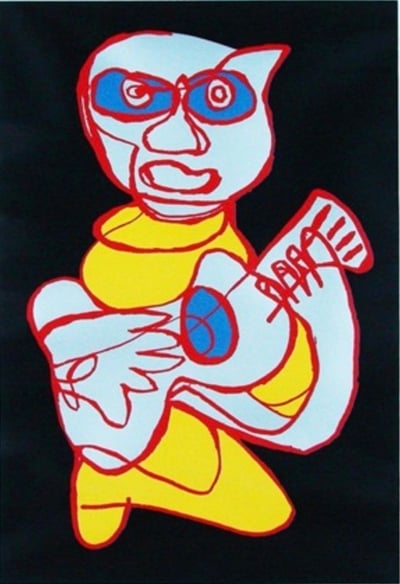
Karel Appel
Kool luke singing hands, 1978
Limited Edition Print
Silkscreen
USD 1,700

Karel Appel
Red cat singing hands, 1978
Limited Edition Print
Silkscreen
USD 1,700

Karel Appel
Floating flower passion, 1978
Limited Edition Print
Silkscreen
USD 1,700

Karel Appel
Green floating passion , 1975
Limited Edition Print
Silkscreen
USD 1,700
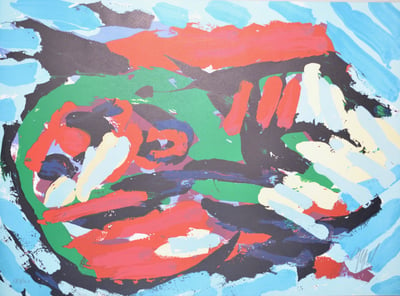
Karel Appel
Flying head over ocean, 1972
Limited Edition Print
Lithograph
USD 800
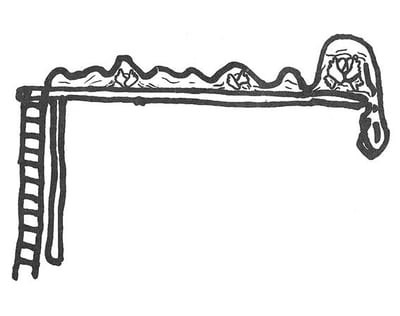
Joe Bradley
Family, 2017
Limited Edition Print
Silkscreen
Currently Not Available
Related Articles

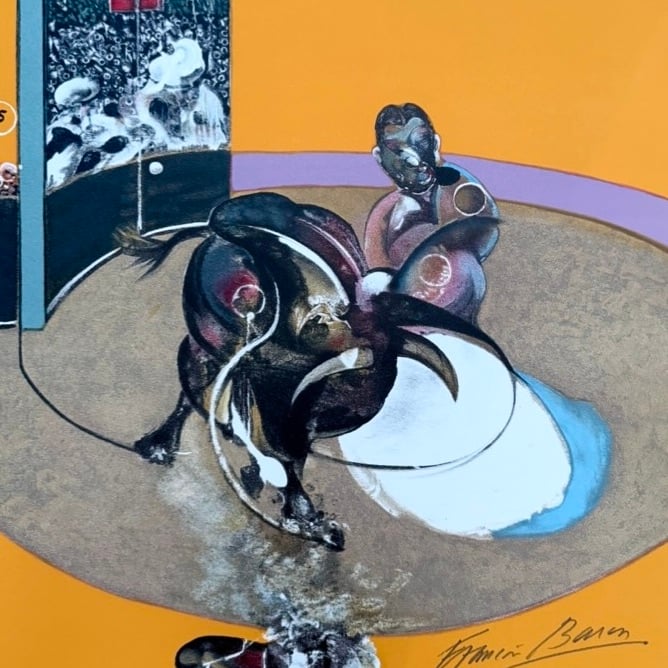


Spatialism is an art movement that originated in Italy in 1947, founded by Lucio Fontana with the intention of synthesizing sound, color, movement, and space into a new form of art. The movement's central ideas were outlined in Fontana's first manifesto, published in 1947, where he introduced the concept of spatial art to capture the spirit of the post-war era. His ideas were further developed in five subsequent manifestos. Although Fontana's ideas were sometimes considered vague, his influence was significant, as he was one of the first European artists to emphasize art as a performance and gesture.
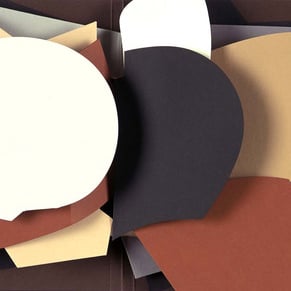
New Generation Sculpture was a movement started in the 1960s by a group of British artists. They experimented with unconventional forms, materials, and colors, creating sculptures that did not rely on traditional bases. Their work often featured plastic sheeting, fiberglass, and other industrial materials, which were fastened together and brightly painted.
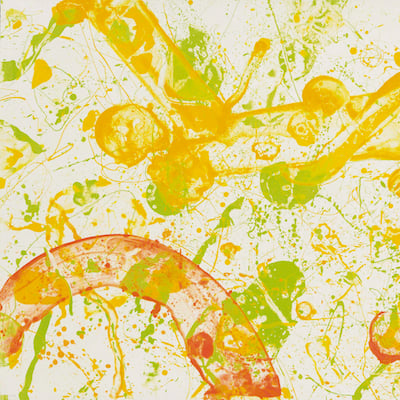
Tachisme is a French abstract painting style that gained popularity between 1940 and 1950, often seen as the European counterpart to Abstract Expressionism. However, there are stylistic differences between the two. Tachisme, which emerged from Art Informel, rejected geometric abstraction in favor of more intuitive and spontaneous expression. It was a reaction against the structured forms of Cubism and is closely related to Informalism. Tachisme emphasizes gestural brushwork, irregular forms, and a focus on the process of painting itself.
Can't find your Answer?
Thank you! Your question has been sent — we'll get back to you shortly.
