

What is Hard Edge Art?
- Show All
- Established
- Discoveries
- Show All
Artworks Related to Hard Edge art
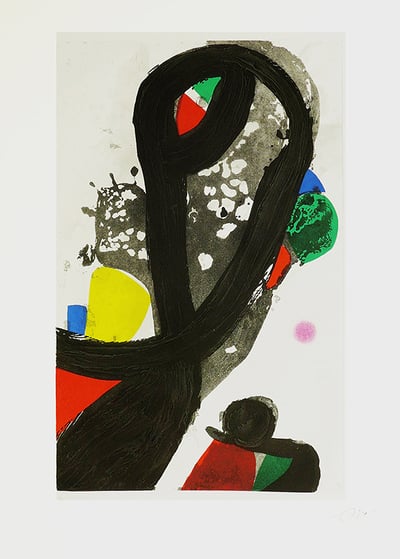
Joan Miró
La veuve du corsaire, 1981
Limited Edition Print
Etching and Aquatint
EUR 9,500

Joan Miró
Création Miró MCMLXI, 1962
Limited Edition Print
Etching and Aquatint
EUR 3,350

Alfons Borrell
Untitled (Crimson Edge and Indigo Field), 2000
Painting
Mixed Media
EUR 9,500

Alfons Borrell
Untitled (Violet Stripes and Thin Lines), 2008
Drawing / Watercolor
Mixed Media
EUR 2,350

Alfons Borrell
Untitled (Violet Veil and Red Line), 2008
Drawing / Watercolor
Mixed Media
EUR 2,350
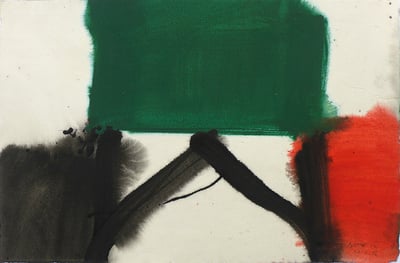
Alfons Borrell
Untitled (Green Block and Black Strokes), 1988
Drawing / Watercolor
Mixed Media
Inquire For Price

Sean Scully
Red Fold, 2006
Limited Edition Print
Aquatint
USD 6,000

KAWS
Urge (portfolio), 2020
Limited Edition Print
Screen-print
USD 50,000 - 60,000

Robert Indiana
The Hartley Elegies: The Berlin Series - KvF 5, 1990
Limited Edition Print
Serigraph
USD 7,900

Larry Zox
Untitled 1 from Niagara Series, 1980
Limited Edition Print
Mixed Media
USD 850

Robert Indiana
Love, 1996
Limited Edition Print
Screen-print
Currently Not Available

Felipe Pantone
Subtractive Variability Orbital, 2023
Sculpture / Object
Mixed Media
EUR 4,500 - 7,000
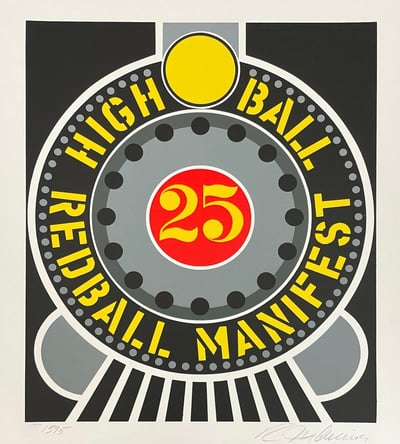
Robert Indiana
High Ball Redball Manifest, 1968
Limited Edition Print
Serigraph
Inquire For Price
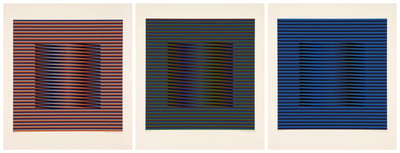
Carlos Cruz-Diez
ORANGE, VERTE y BLEU, 1977
Limited Edition Print
Screen-print
USD 17,250
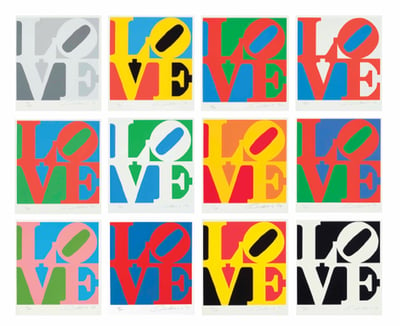
Robert Indiana
Book of Love portfolio, 1996
Limited Edition Print
Silkscreen
USD 170,000 - 200,000
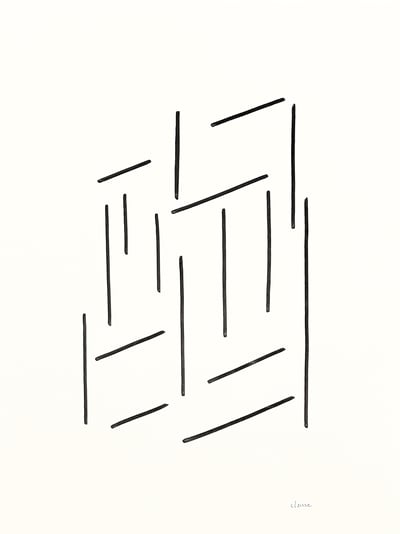
Geneviève Claisse
Lignes, 2000
Painting
Acrylic on canvas
EUR 3,500
Related Articles


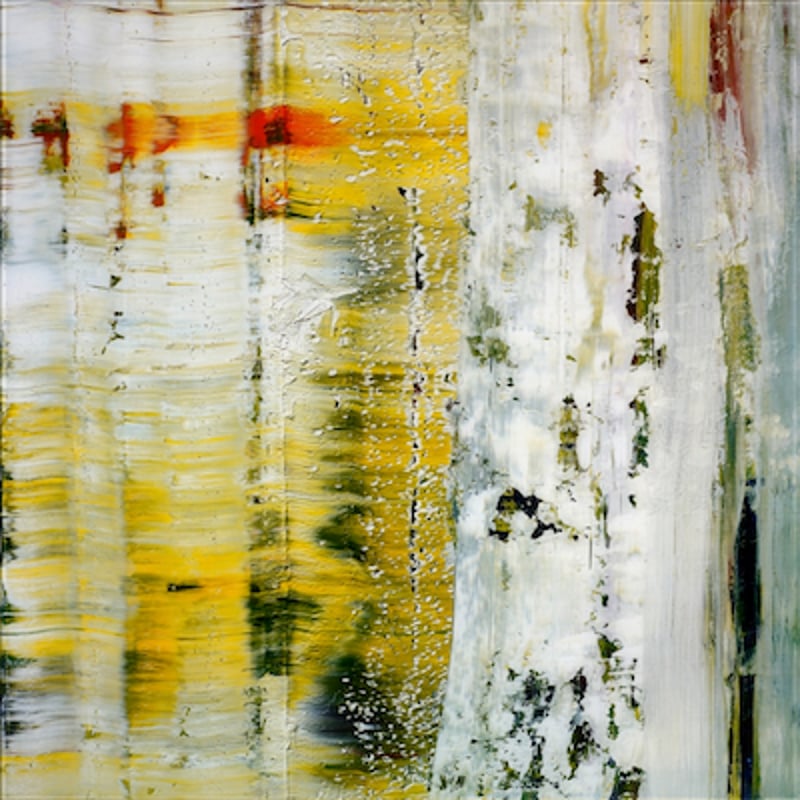
Capitalist Realism is a German form of political pop art that emerged in Cold War-era Berlin in 1963. It sought to challenge the dominance of American pop art in the Western world. The movement blended the ideologies of both pop art and socialist realism, offering a critique of consumer culture and political power.
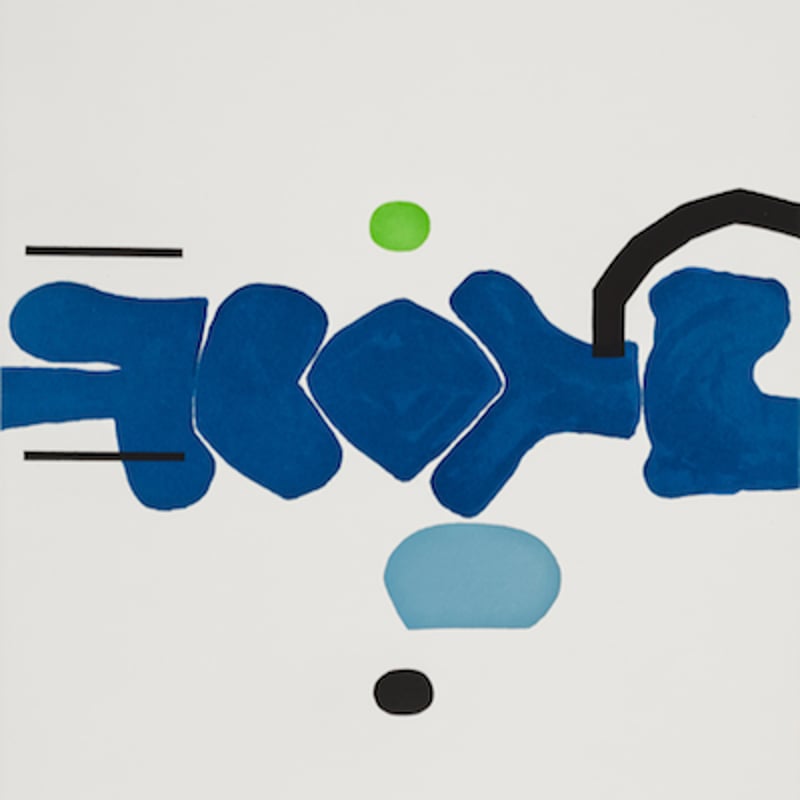
Constructivism is an architectural and artistic philosophy of Russian origin that emerged as a rejection of the idea of autonomous art. The movement advocated for art to serve practical social purposes. Since its inception in 1919, Constructivism has evolved and significantly impacted 20th-century art movements, influencing major trends such as De Stijl and Bauhaus.
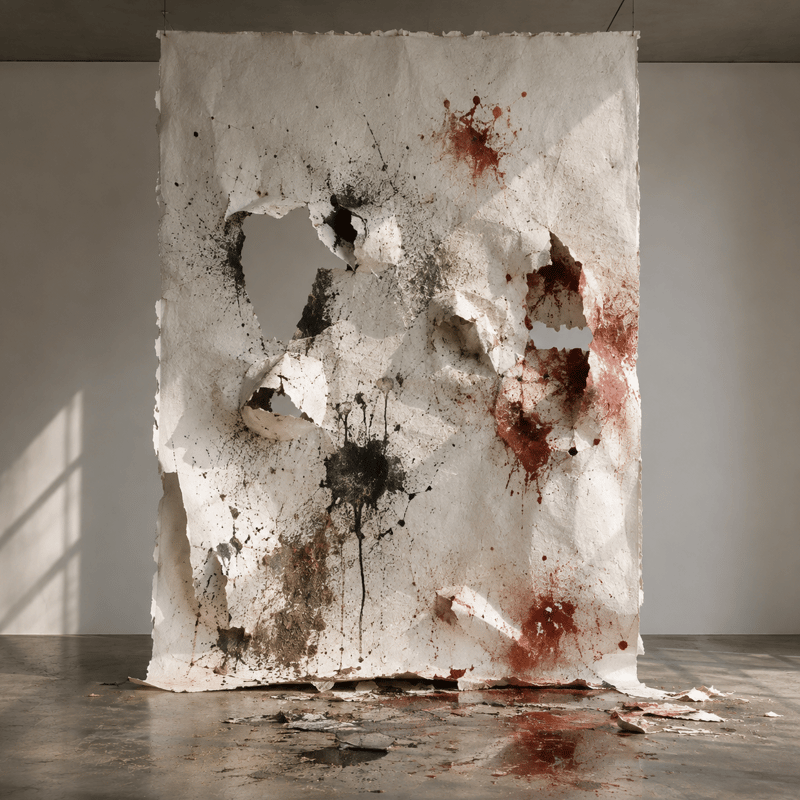
Gutai was a group of Japanese radical artists who formed the Gutai Art Association in 1954. The word Gutai translates to embodiment. The group was known for creating art on the spot for live audiences, often incorporating their own physical movements. Their performances included actions like throwing paint, piercing paper, and rolling in mud, emphasizing the direct interaction between the body and the material.
Can't find your Answer?
Thank you! Your question has been sent — we'll get back to you shortly.
