
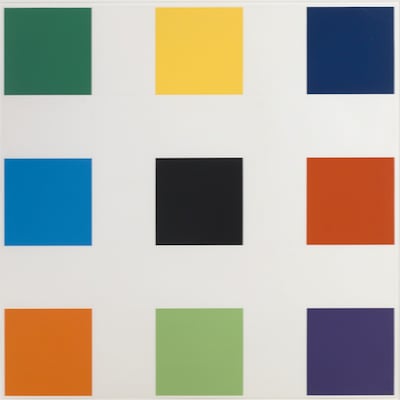
What is Hard Edge Art?
- Show All
- Established
- Discoveries
- Show All
Artworks Related to Hard Edge art
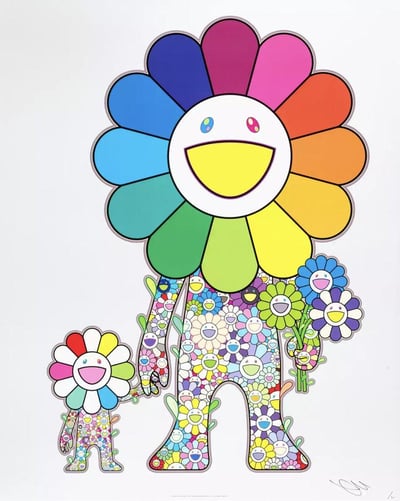
Takashi Murakami
Flower Parent and Child, 2021
Limited Edition Print
Offset Print
GBP 3,000 - 4,500
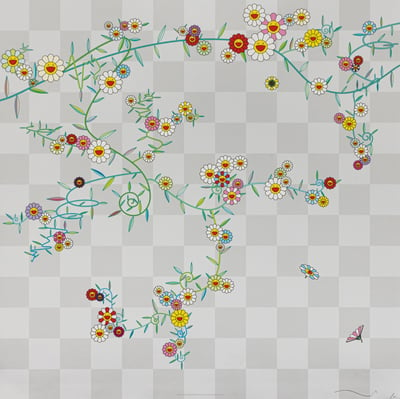
Takashi Murakami
CUBE 2, 2001
Limited Edition Print
Offset Print
GBP 1,950 - 2,500
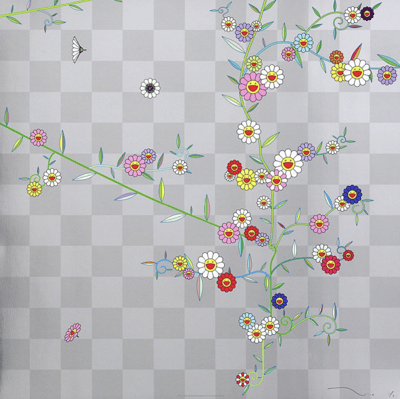
Takashi Murakami
Cosmos, 2000
Limited Edition Print
Offset Print
GBP 1,950 - 2,500
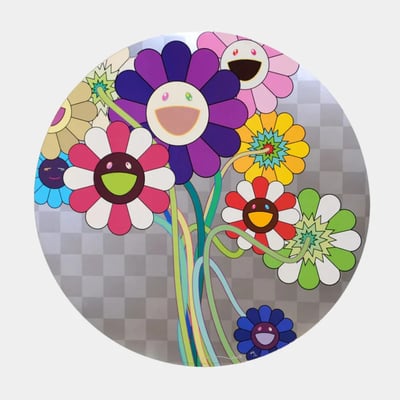
Takashi Murakami
Purple Flowers in a Bouquet, 2010
Limited Edition Print
Offset Print
GBP 1,950 - 2,500
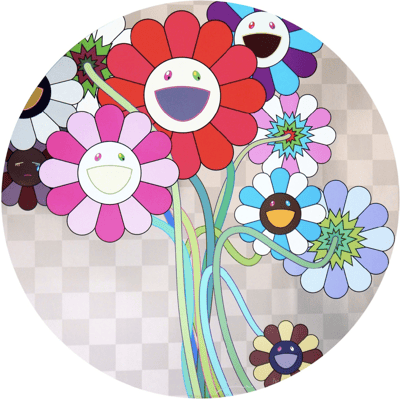
Takashi Murakami
Warhol/Silver, 2009
Limited Edition Print
Offset Print
GBP 2,340
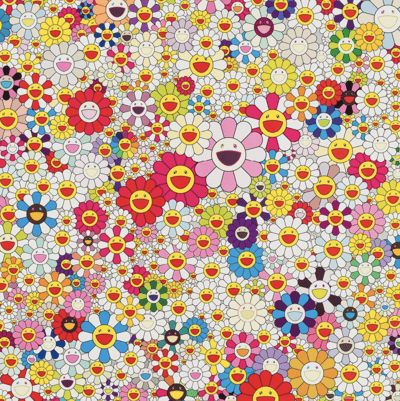
Takashi Murakami
Flowers in Heaven, 2010
Limited Edition Print
Offset Print
GBP 2,500 - 3,200
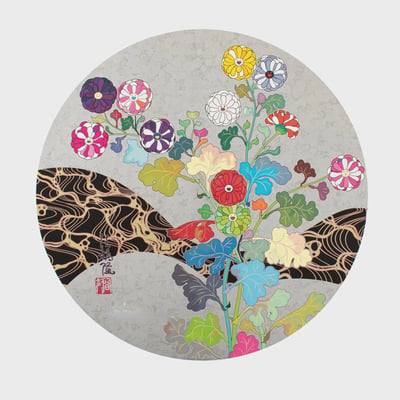
Takashi Murakami
Korin: The Land Beyond Death, Bathed in Light, 2022
Limited Edition Print
Offset Print
GBP 2,350
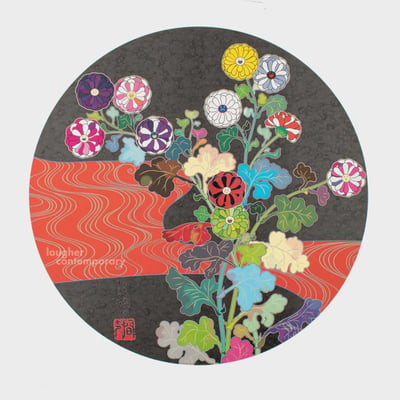
Takashi Murakami
Flowers Blooming in the Isle of the Dead, 2022
Limited Edition Print
Offset Print
GBP 1,950 - 2,500
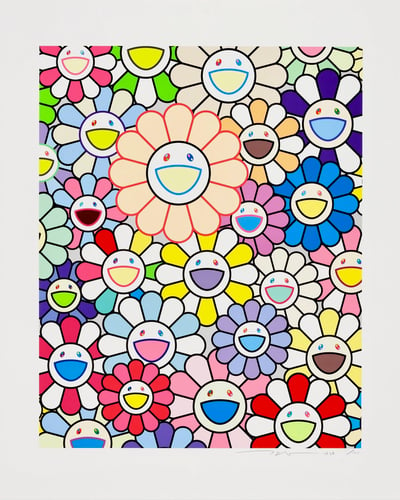
Takashi Murakami
Field of Flowers, 2020
Limited Edition Print
Archival Print
GBP 2,750 - 3,500
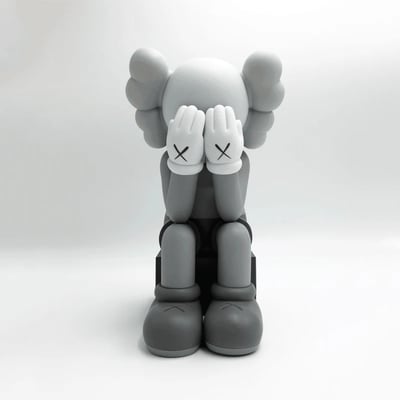
KAWS
Passing Through (Mono), 2013
Sculpture / Object
Mixed Media
GBP 1,950

KAWS
Lost Time, Alone Again, Far Far Down, 2018
Limited Edition Print
Screen-print
GBP 40,000 - 50,000
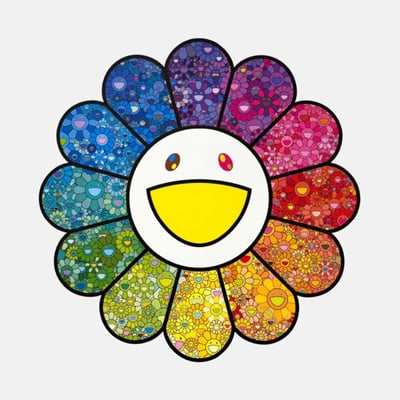
Takashi Murakami
Flower Sparkles!, 2024
Limited Edition Print
Offset Print
GBP 1,850
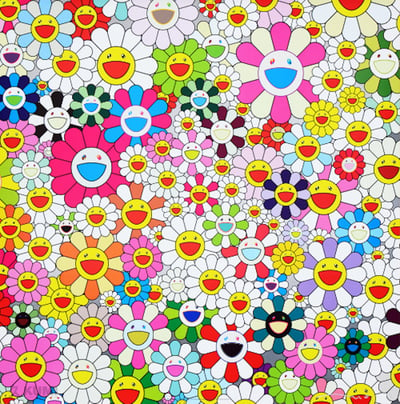
Takashi Murakami
Maiden in The Yellow Straw Hat, 2010
Limited Edition Print
Offset Print
GBP 2,750 - 3,500
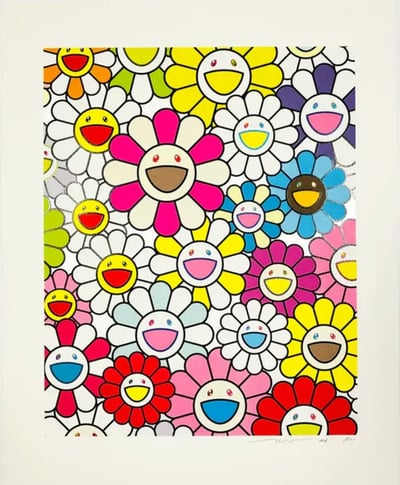
Takashi Murakami
A Little Flower Painting: Pink, Purple and Many Other Colours, 2018
Limited Edition Print
Silkscreen
GBP 3,250 - 4,200
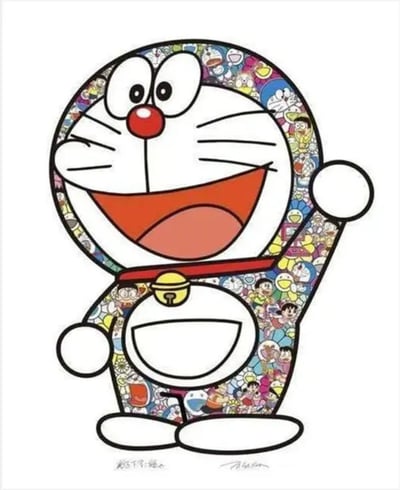
Takashi Murakami
Doraemon: Here We Go!, 2020
Limited Edition Print
Silkscreen
GBP 2,200 - 2,800
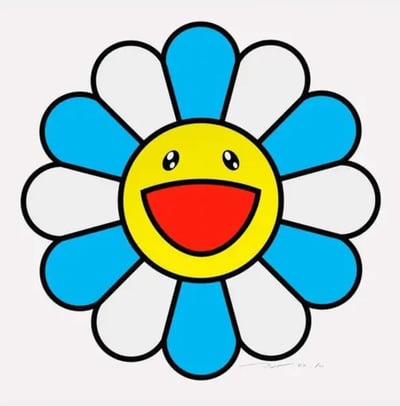
Takashi Murakami
Sea Breeze Chan, 2020
Limited Edition Print
Silkscreen
GBP 2,250 - 2,900
Related Articles
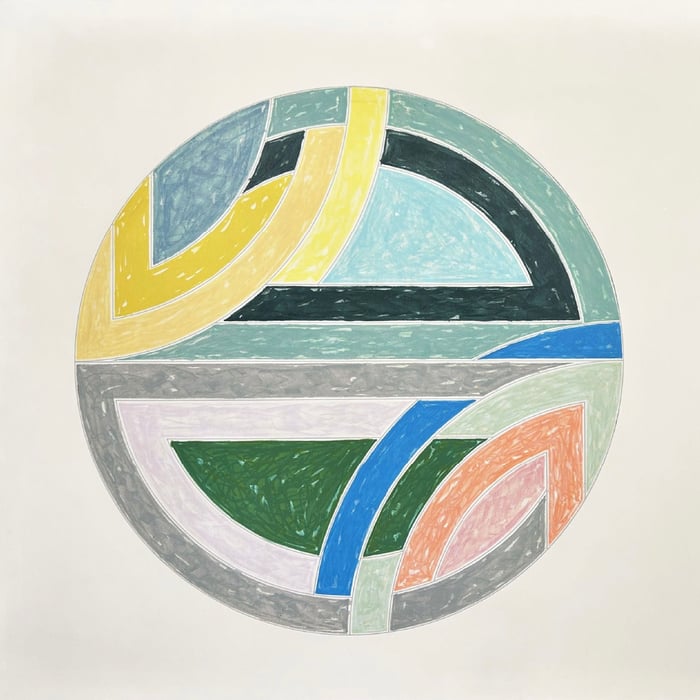
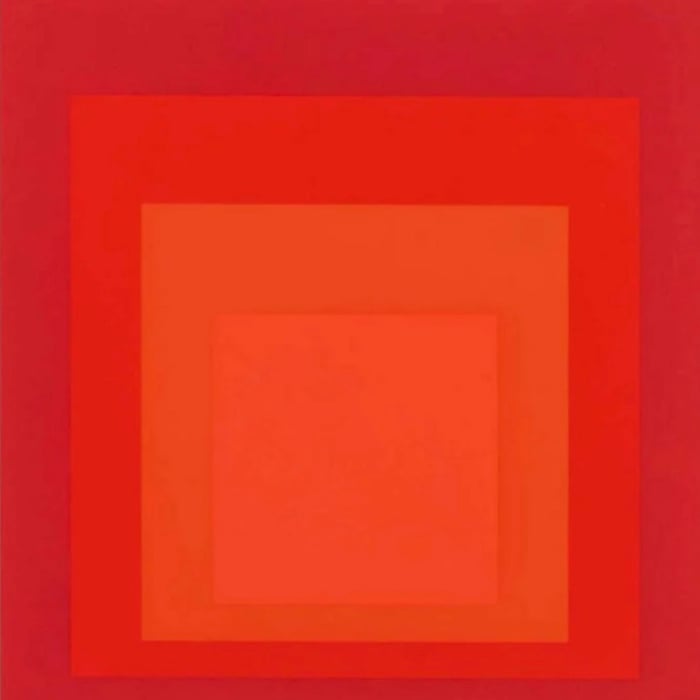
Process Art is an artistic movement and creative approach where the focus is on the act of creation rather than the final product. The term process in this context refers to the various stages of art-making, including gathering, sorting, associating, and organizing materials and actions. This movement emphasizes the artistic journey and the human expression involved in creating art, rather than the finished piece itself. Process Art is driven by inherent motivation, intentionality, and the rationale behind the actions, viewing the creative process as the true artwork.

Hypermodernism is a cultural and artistic movement that emerged in the late 20th and early 21st centuries, characterized by an intense embrace of technology and a focus on speed, complexity, and the future. This movement often challenges traditional modernist values by emphasizing hyper-reality, where the boundaries between reality and virtuality blur. Hypermodernism is evident in architecture, design, and visual arts, where artists and creators use advanced digital tools and futuristic aesthetics to explore themes of globalization, identity, and the impact of technology on society.

Provenance refers to the chronology of ownership, location, or custody of an artwork. Tracing an object's provenance helps establish its authenticity and historical context by documenting its ownership history, storage locations, and custody over time. This process often involves expert opinions, comparative analysis, and scientific testing to provide evidence of the artwork’s origin and history.
Can't find your Answer?
Thank you! Your question has been sent — we'll get back to you shortly.
