
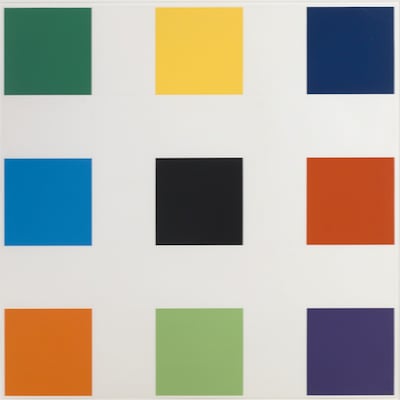
What is Hard Edge Art?
- Show All
- Established
- Discoveries
- Show All
Artworks Related to Hard Edge art

Julian Opie
Bastide 3, 2021
Sculpture / Object
Mixed Media
USD 6,450

Julian Opie
Bastide 2, 2021
Sculpture / Object
Mixed Media
USD 6,450

Julian Opie
Bastide 1, 2021
Sculpture / Object
Mixed Media
USD 6,450
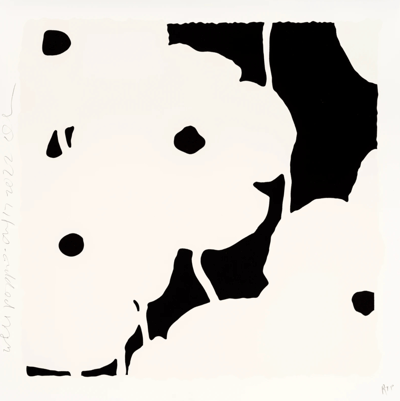
Donald Sultan
White Poppies, Sept 7, 2022, 2022
Limited Edition Print
Silkscreen
USD 4,250
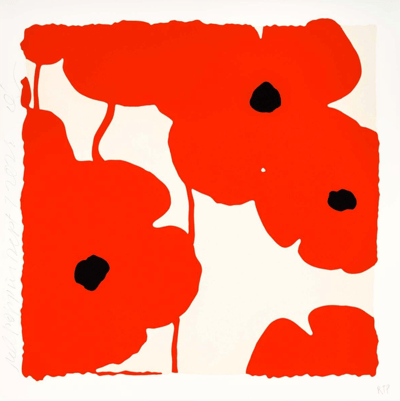
Donald Sultan
Red Poppies, Sept 7, 2022, 2022
Limited Edition Print
Silkscreen
USD 4,250
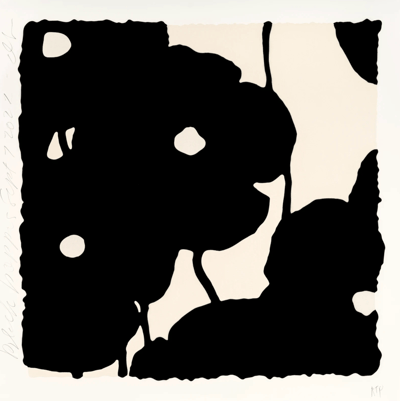
Donald Sultan
Black Poppies, Sept 7, 2022, 2022
Limited Edition Print
Silkscreen
USD 4,250

Donald Sultan
Silver Poppies, Sept 7, 2022 (against black), 2022
Limited Edition Print
Silkscreen
USD 4,250

Donald Sultan
Yellow Poppies, Sept 7, 2022, 2022
Limited Edition Print
Silkscreen
USD 4,250
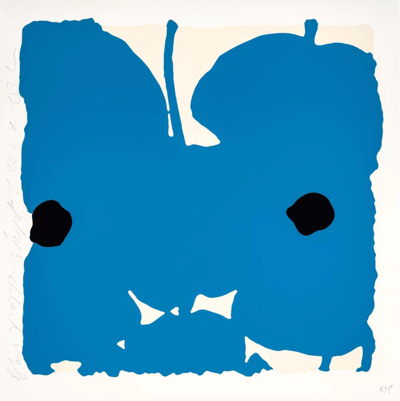
Donald Sultan
Blue Poppies, Sept 7, 2022, 2022
Limited Edition Print
Silkscreen
USD 4,250
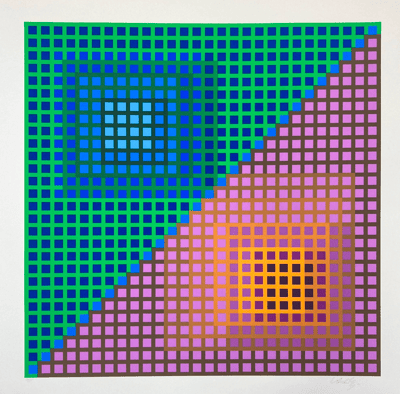
Victor Vasarely
Lum, 1982
Limited Edition Print
Lithograph
USD 1,250

Marina Apollonio
Dinamica Circolare Ellisse 6Z, 1969-2022
Sculpture / Object
Wood
EUR 1,500

Takashi Murakami
Untitled XXV from We Are the Jocular Clan, 2018
Limited Edition Print
Lithograph
USD 1,550
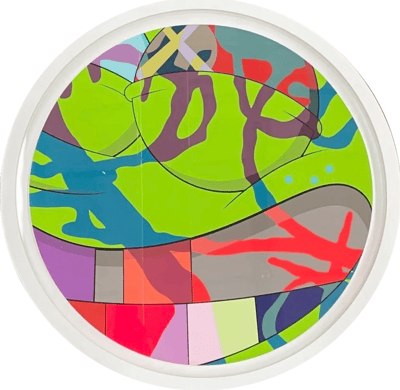
KAWS
The News 2, 2017
Limited Edition Print
Serigraph
USD 11,150

Francois Morellet
Trois cubes imbriqués, 1977
Sculpture / Object
Metal
EUR 6,990

Ellsworth Kelly
Untitled (Blue Curve), 1982
Limited Edition Print
Lithograph
USD 15,750

Robert Mangold
Semi Circle IV, 1995
Limited Edition Print
Lithograph
Currently Not Available
Related Articles
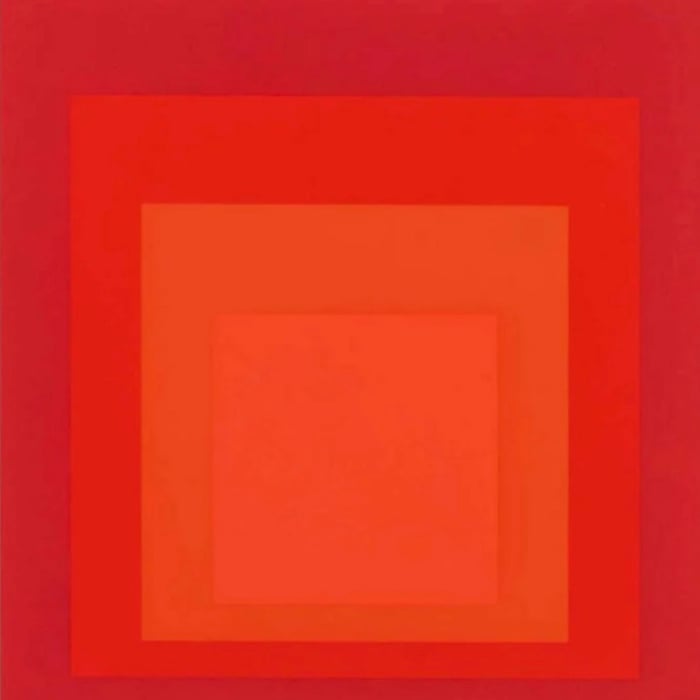

Nouveau Réalisme is an artistic movement founded in 1960 by art critic Pierre Restany and painter Yves Klein during a collective exhibition at a gallery in Milan. Restany wrote the original manifesto in April 1960, proclaiming the movement. In October of that year, nine artists, including Martial Raysse, Yves Klein, Daniel Spoerri, Jean Tinguely, Arman, Pierre Restany, and three Ultra-Lettrists—Jacques de la Villeglé, François Dufrêne, and Raymond Hains—signed the declaration. In 1961, the movement expanded to include Mimmo Rotella, Niki de Saint Phalle, Gérard Deschamps, and César. The movement emphasized a return to reality in art, often incorporating everyday objects and exploring the boundaries between art and life.
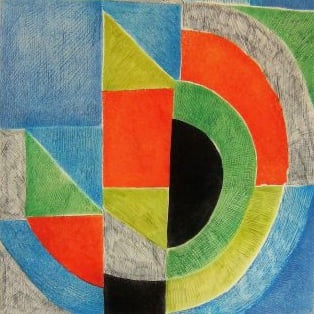
Réalités Nouvelles means new realities and refers to an exhibiting society founded in 1939 in Paris by Sonia Delaunay. The Salon des Réalités Nouvelles was dedicated to promoting abstract art, which it considered to be a new reality because it does not imitate the existing physical world. The movement emphasized that abstract art creates its own reality, independent of the external world, and played a significant role in the development and recognition of abstract art in the mid-20th century.

Acrylic on paper is a technique that involves using acrylic paints on various paper types and textures. Artists often choose watercolor paper with smooth or rough surfaces to apply acrylics using watercolor techniques such as bleeding, washing, and spattering. This approach allows for a wide range of effects, combining the flexibility of acrylics with the delicate qualities of watercolor methods.
Can't find your Answer?
Thank you! Your question has been sent — we'll get back to you shortly.
