
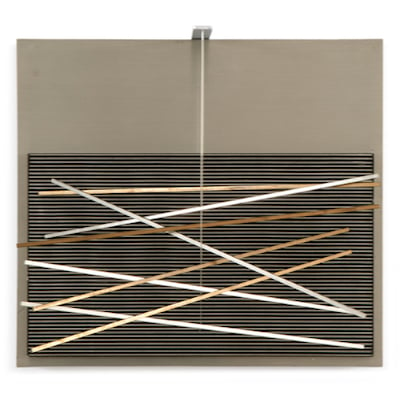
What is kinetic art?
- Show All
- Established
- Discoveries
- Show All
Artworks Related to Kinetic art

Luis Tomasello
S/T 1 - Rosa , 2013
Limited Edition Print
Lithograph
EUR 3,000

Luis Tomasello
S/T 1 - Naranja , 2013
Limited Edition Print
Lithograph
EUR 3,000
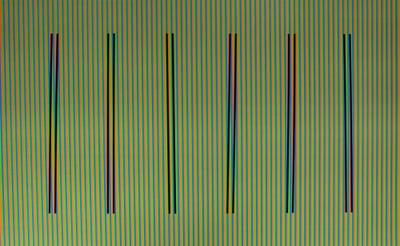
Carlos Cruz-Diez
Couleur à l'Espace Olot, 2014
Limited Edition Print
Lithograph
Currently Not Available

Antonio Asis
Vibration Carré Noir et Bleu, 2012
Sculpture / Object
Mixed Media
EUR 3,000

Antonio Asis
vibration grand cercle, 2010
Sculpture / Object
Mixed Media
EUR 3,000

Antonio Asis
vibration bandes bleus et rouges, 2010
Sculpture / Object
Mixed Media
EUR 3,000
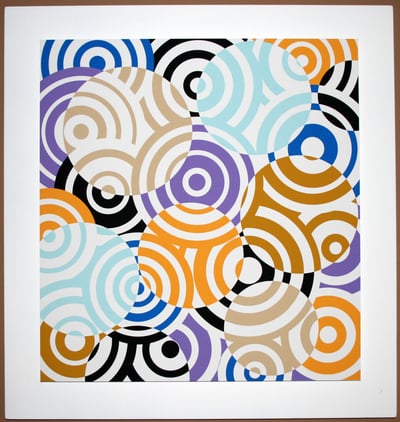
Antonio Asis
interferences cercles de couleurs, 2010
Limited Edition Print
Mixed Media
EUR 2,200
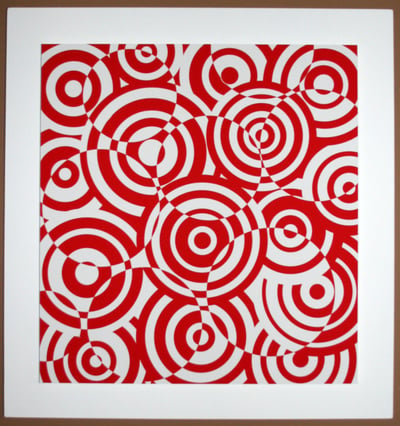
Antonio Asis
interferences cercles rouge et blanc, 2010
Limited Edition Print
Mixed Media
EUR 2,200
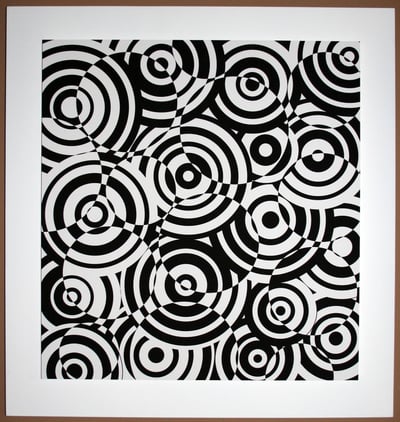
Antonio Asis
interferences cercles noir et blanc, 2010
Limited Edition Print
Mixed Media
EUR 2,200

Antonio Asis
vibration cercles noir et blanc, 2010
Sculpture / Object
Mixed Media
EUR 3,000
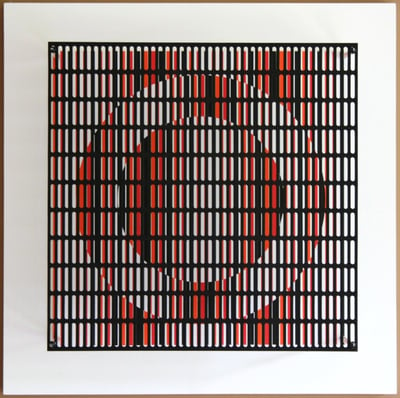
Antonio Asis
vibration cercles noir, orange et rouge, 2010
Sculpture / Object
Mixed Media
EUR 3,000
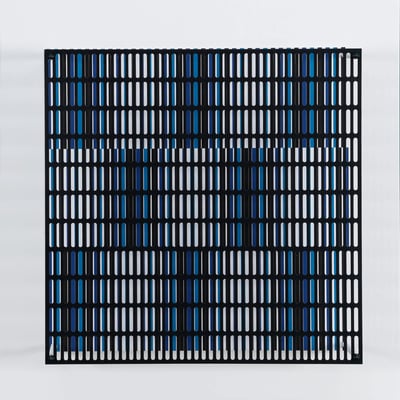
Antonio Asis
Vibration bandes noir, bleu et turquoise, 2010
Sculpture / Object
Mixed Media
EUR 3,000
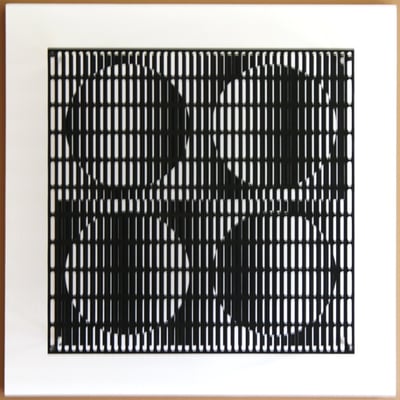
Antonio Asis
vibration 4 cercles noir et blanc, 2010
Sculpture / Object
Mixed Media
EUR 3,000
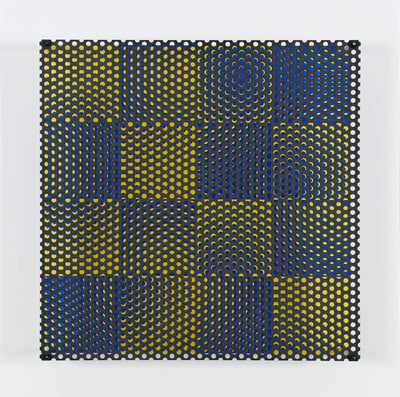
Antonio Asis
vibration 16 carres bleu et jaune, 2010
Sculpture / Object
Mixed Media
EUR 3,000
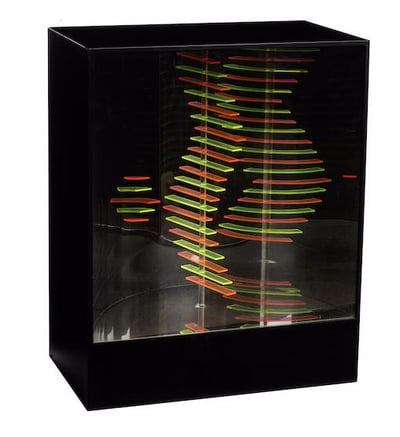
Martha Boto
Déplacement optique D, 1969
Sculpture / Object
Object
EUR 6,000
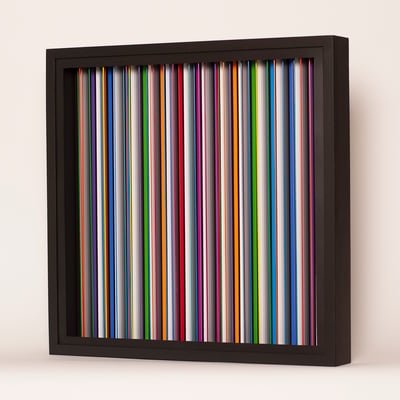
Dario Perez-Flores
Prochromatique 3, 2010
Sculpture / Object
Acrylic sculpture
EUR 2,500
Related Articles



Charcoal is made from charred wood and is used in both initial sketches and finished drawings. It can be easily smudged or erased, making it versatile for corrections. To make charcoal drawings permanent, a fixative like resin or gum is required. It’s especially useful for sketching first ideas on walls or canvas.

Neo-Figurative Art is a collective term that refers to the revival of figurative art in America and Europe during the 1960s, following a period dominated by abstraction. Michel Ragon, a French art critic, argued that this resurgence of figuration occurred during a critical time of social and political upheaval in both regions.

Lyrical abstraction is a descriptive term characterizing a type of abstract painting closely related to Abstract Expressionism, in use from the 1940s to the present. The term can also describe two distinct but related trends in post-World War II modernist painting. This art movement originated in Paris, France, after the war, emphasizing personal expression, spontaneity, and the emotional use of color and form.
Can't find your Answer?
Thank you! Your question has been sent — we'll get back to you shortly.
