
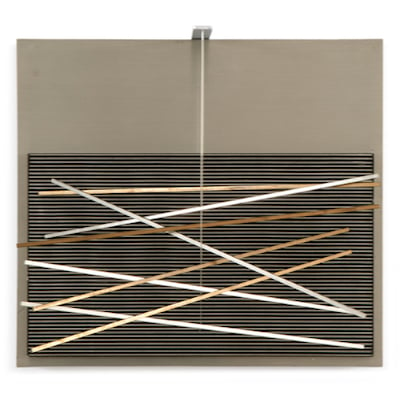
What is kinetic art?
- Show All
- Established
- Discoveries
- Show All
Artworks Related to Kinetic art
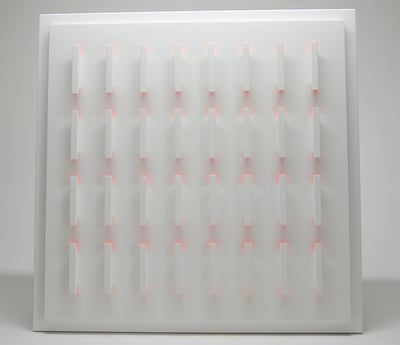
Luis Tomasello
Chromoplastique 1025, 2013
Sculpture / Object
Wood
EUR 4,000
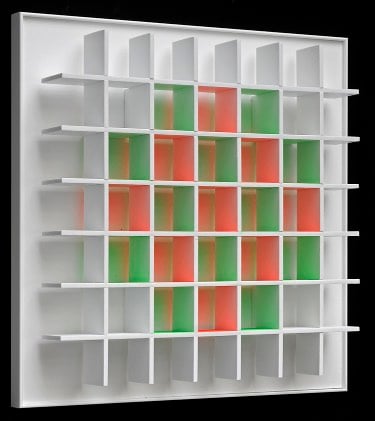
Luis Tomasello
Grille Chromoplastique B, 2012
Sculpture / Object
Mixed Media
EUR 2,000
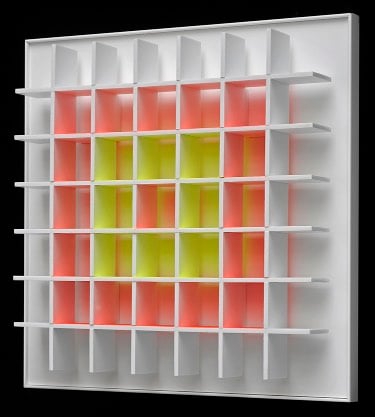
Luis Tomasello
Grille chromoplastique A, 2012
Sculpture / Object
Object
EUR 2,000

Luis Tomasello
Cube atmosphére chromoplastique, 2011
Sculpture / Object
Wood
EUR 6,000
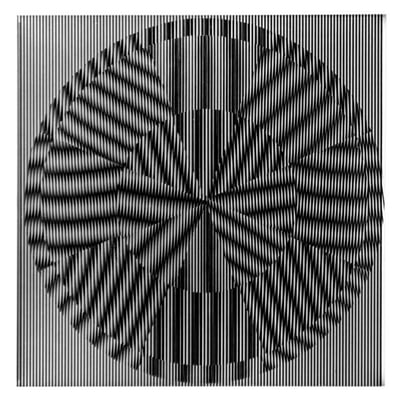
Ludwig Wilding
SBST 2839, 2001
Limited Edition Print
Mixed Media
EUR 1,500
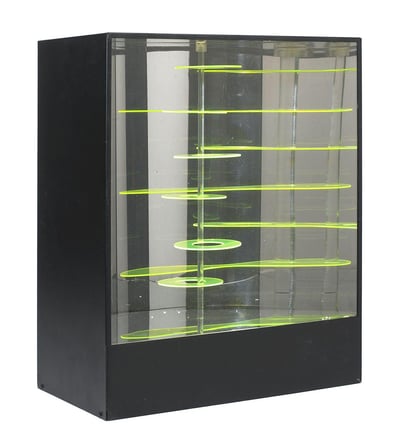
Martha Boto
Déplacement optique A, 1969
Sculpture / Object
Acrylic sculpture
EUR 6,000
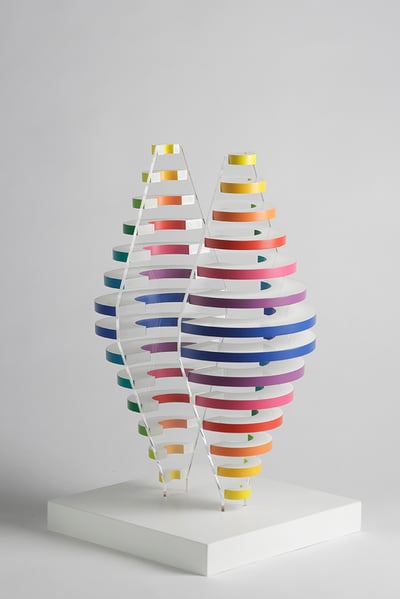
Martha Boto
2 Demi cones avec anneaux de couleurs, 1975
Sculpture / Object
Acrylic sculpture
EUR 3,500
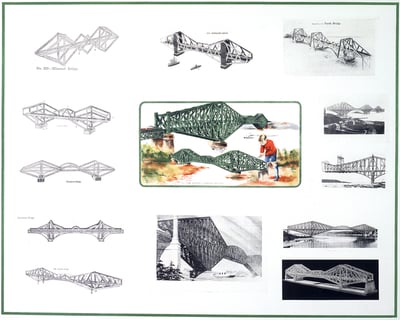
Chris Burden
Cantilever Bridges, 2000
Limited Edition Print
Aquatint
Currently Not Available

Victor Vasarely
Drawing I
Drawing / Watercolor
Mixed Media
EUR 4,500

Victor Vasarely
Drawing II
Drawing / Watercolor
Mixed Media
EUR 4,500
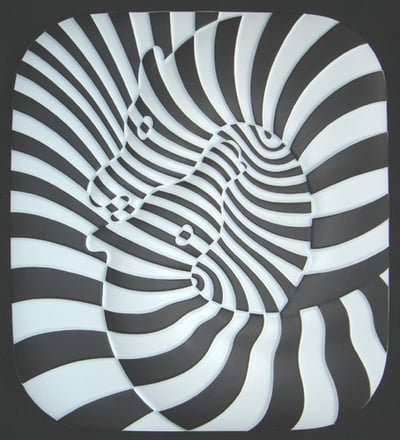
Victor Vasarely
Zebra Ceramique, 1977
Sculpture / Object
Ceramic
EUR 1,600
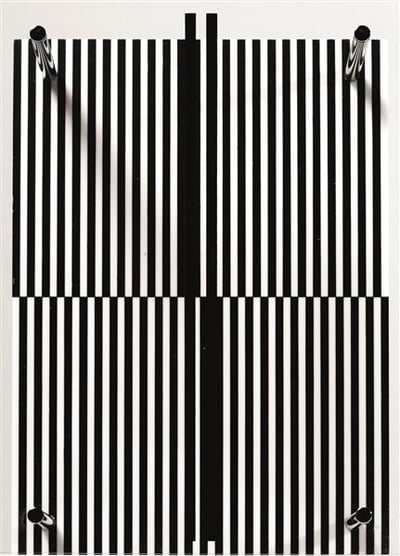
Rafael Jesus Soto
Permutation, 1955-1978
Sculpture / Object
Object
EUR 5,500
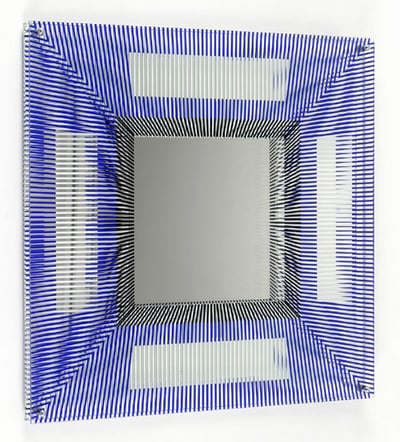
Rafael Jesus Soto
Mirroire, 2005
Sculpture / Object
Glass
EUR 10,000
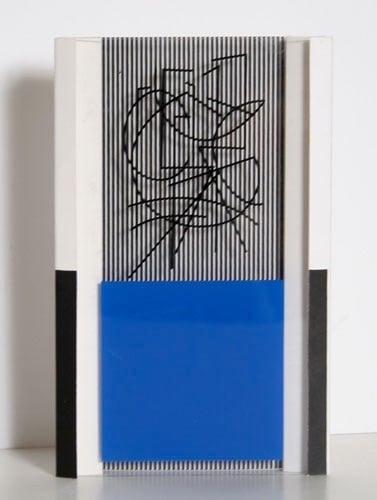
Rafael Jesus Soto
Sans Titre, 2001
Sculpture / Object
Acrylic sculpture
EUR 2,800
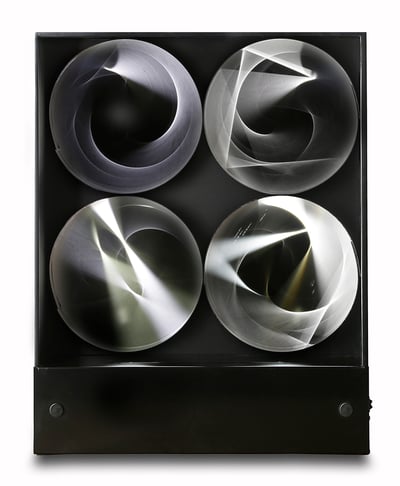
Julio Le Parc
Continuel Lumiere a Cylindres, 1962-2014
Sculpture / Object
Mixed Media
EUR 9,000

Carlos Cruz-Diez
Céramique # 2, 2008
Ceramics
Ceramic
EUR 12,000
Related Articles


De Stijl, meaning The Style, was a group of Dutch artists who created abstract art based on strict adherence to vertical and horizontal geometry. The group was founded by Piet Mondrian and Theo van Doesburg in 1917. Mondrian eventually left De Stijl when Van Doesburg began incorporating diagonal geometry into his work, which Mondrian felt deviated from the group's principles.

Situationism is a psychological theory that gained prominence in 1968, following the publication of a monograph by Walter Mischel that sparked the Person-situation debate. This theory argues that behavior is primarily influenced by external situational factors rather than internal traits or motivations, challenging the ideas of trait theorists like Raymond B. Cattell and Hans Eysenck, who emphasized stable personality traits. It is important not to confuse this with the Situationist International movement, an artistic and political movement founded by Asger Jorn, which focused on the critique of modern consumer society and the influence of environments on human behavior.

Bronze is a metal alloy made primarily of copper and tin, with a typical modern composition of 88% copper and 12% tin. Over time, bronze develops a patina, a surface color that often turns deep green due to oxidation. Large bronze objects, such as sculptures, are typically made in foundries. Bronze is valued for its durability and has been widely used throughout history for art, tools, and weapons.
Can't find your Answer?
Thank you! Your question has been sent — we'll get back to you shortly.
