

Motorized artwork: metal, motor and mirror. Edition d'Atelier - signed on metal plaque. Enamelled metal, perspex and electric motor (220 V) 47.5 by 38.5 by 22 cm. 18 11/16 by 15 3/16 by 8 11/16 in.
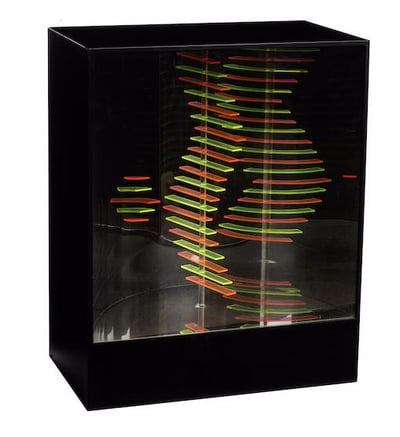
Déplacement Optique D by Martha Boto is a motorized kinetic sculpture created in 1969. This object, part of an edition by Atelier, combines enamelled metal, perspex, mirrors, and a motor, producing an optical illusion of movement and light. The sculpture, which measures 47.5 by 38.5 by 22 cm, is designed to generate a mesmerizing visual effect through rotating colorful bars that appear to float within the box-like frame. The reflective surfaces amplify the motion, creating a dynamic interplay of light and color that shifts as the motor propels the artwork. Known for her pioneering work in kinetic and optical art, Boto engages viewers with a hypnotic experience that explores the boundaries of perception, light, and form. Signed on a metal plaque, this piece exemplifies Boto's innovative use of technology and materials.
Artwork Copyright © Martha BotoMartha Boto (Argentina, 1925–2004) was a pioneering kinetic and programmed art artist. Co-founder of the Group of Non-Figurative Artists of Argentina, she created innovative sculptures and installations exploring movement, light, and color. Her works, often incorporating Plexiglas and electric motors, deliver dynamic and immersive visual experiences.
Artwork Copyright © Martha BotoDéplacement optique D, 1969
Form
Medium
Size
- Inches
- Centimeters
Edition
Price
- USD
- EUR
- GBP
- CHF
- Authenticity Guaranteed
- Insured Shipping
- Online Since 2005
●Inventory 2588
●Signed
●Comes with gallery invoice and certificate
●Any questions?
Motorized artwork: metal, motor and mirror. Edition d'Atelier - signed on metal plaque. Enamelled metal, perspex and electric motor (220 V) 47.5 by 38.5 by 22 cm. 18 11/16 by 15 3/16 by 8 11/16 in.
Déplacement Optique D by Martha Boto is a motorized kinetic sculpture created in 1969. This object, part of an edition by Atelier, combines enamelled metal, perspex, mirrors, and a motor, producing an optical illusion of movement and light. The sculpture, which measures 47.5 by 38.5 by 22 cm, is designed to generate a mesmerizing visual effect through rotating colorful bars that appear to float within the box-like frame. The reflective surfaces amplify the motion, creating a dynamic interplay of light and color that shifts as the motor propels the artwork. Known for her pioneering work in kinetic and optical art, Boto engages viewers with a hypnotic experience that explores the boundaries of perception, light, and form. Signed on a metal plaque, this piece exemplifies Boto's innovative use of technology and materials.
Artwork Copyright © Martha BotoMartha Boto (Argentina, 1925–2004) was a pioneering kinetic and programmed art artist. Co-founder of the Group of Non-Figurative Artists of Argentina, she created innovative sculptures and installations exploring movement, light, and color. Her works, often incorporating Plexiglas and electric motors, deliver dynamic and immersive visual experiences.
Artwork Copyright © Martha Boto- Recently Added
- Price (Low-High)
- Price (High-Low)
- Year (Low-High)
- Year (High-Low)
Martha Boto
Déplacement optique D, 1969
Sculpture / Object
Object
EUR 6,000
Martha Boto
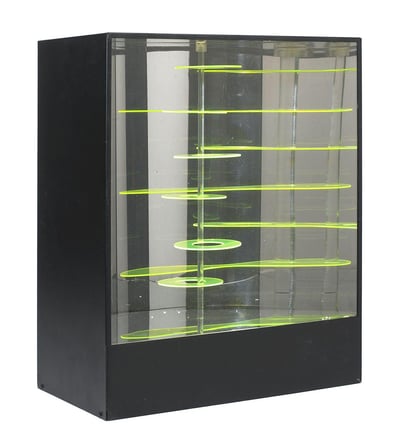
Déplacement optique A, 1969
Sculpture / Object
Acrylic sculpture
EUR 6,000
Martha Boto
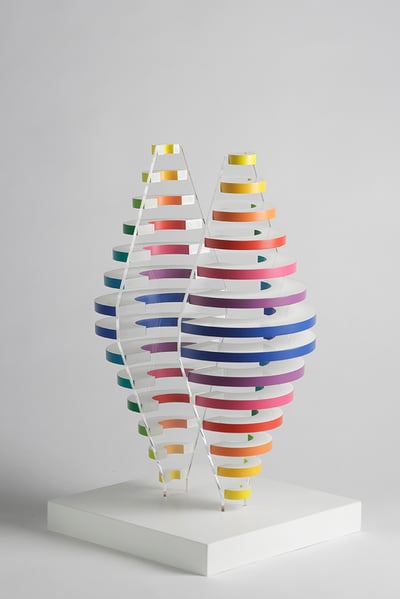
2 Demi cones avec anneaux de couleurs, 1975
Sculpture / Object
Acrylic sculpture
EUR 3,500
Related Artists

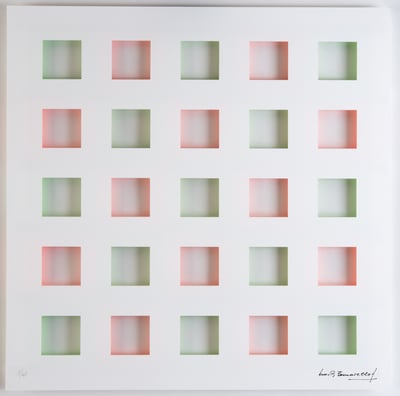


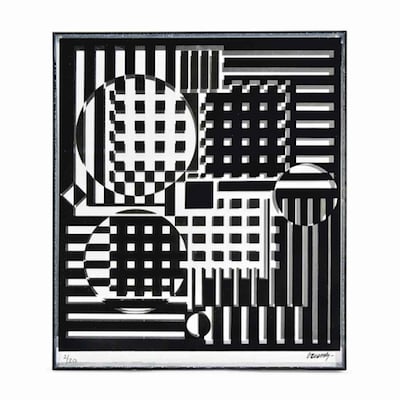
Artwork by Victor Vasarely
What is Op Art?
Op Art is a visual art style that uses optical illusions to create the impression of movement, vibrating patterns, flashing, or hidden images. The works are typically abstract, with many well-known pieces in black and white. The roots of Op Art can be traced back to earlier movements like Futurism, Constructivism, Dada, and Neo-Impressionism, particularly in their use of color effects and graphic design.



