
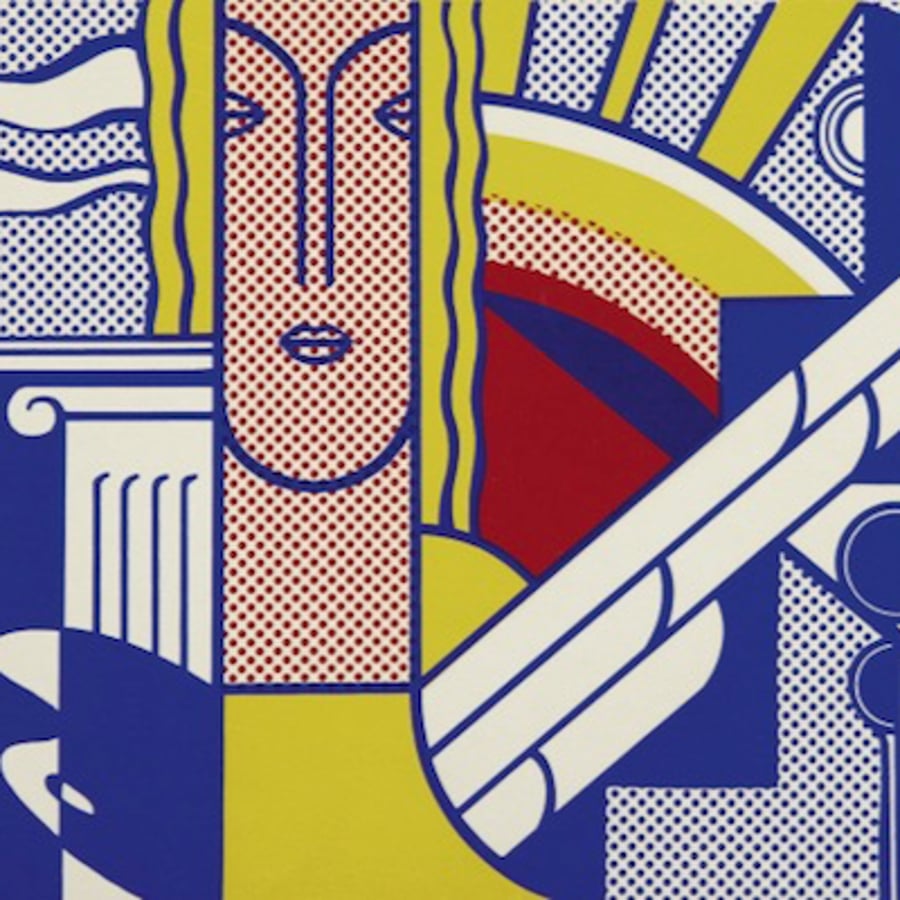
What is late modernism?
- Show All
- Established
- Discoveries
- Show All
Artworks Related to Late modernism

Frank Stella
Quathlamba I, 1968
Limited Edition Print
Lithograph
USD 11,900
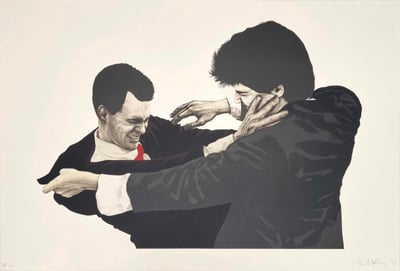
Robert Longo
Frank & Glenn, 1991
Limited Edition Print
Lithograph
Currently Not Available
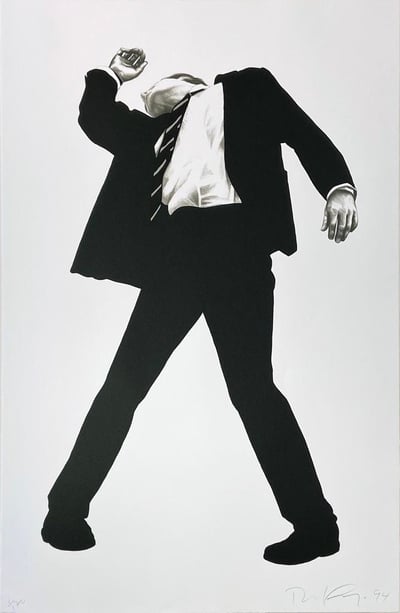
Robert Longo
Rick, 1994
Limited Edition Print
Lithograph
Currently Not Available
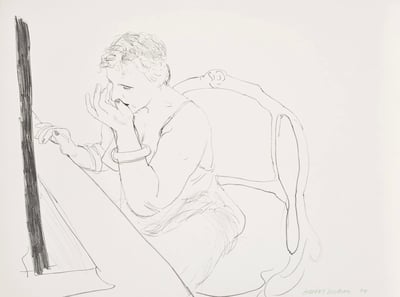
David Hockney
Celia Adjusting Her Eyelash (G.837), 1979
Limited Edition Print
Lithograph
GBP 12,950
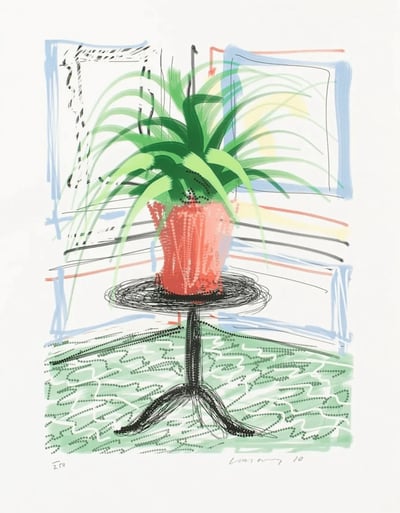
David Hockney
iPad Drawing Untitled #468, 2010
Limited Edition Print
Inkjet print
GBP 38,000 - 50,000
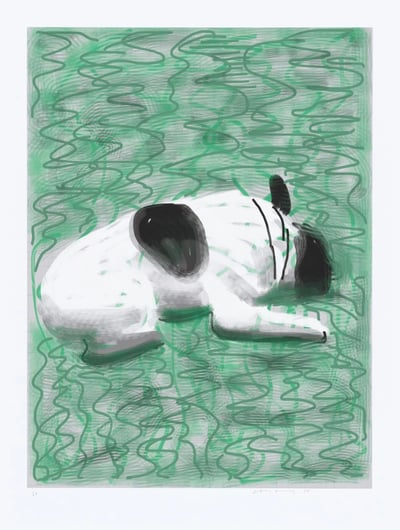
David Hockney
iPad drawing - Moujik, 2010
Limited Edition Print
Inkjet print
GBP 80,000 - 100,000
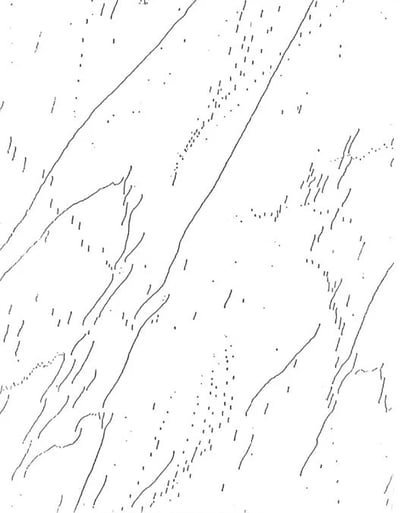
Andy Warhol
Untitled (Mao), from The New York Collection for Stockholm, 1973
Limited Edition Print
Mixed Media
GBP 13,200
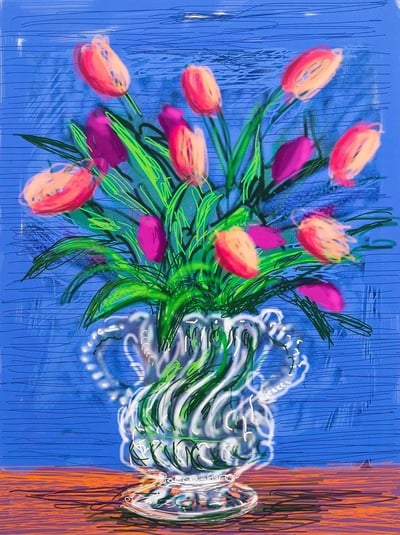
David Hockney
iPad Drawing Untitled #346, 2010
Limited Edition Print
Inkjet print
GBP 50,000 - 60,000
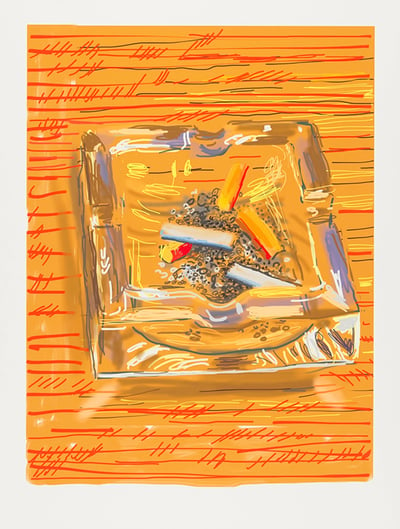
David Hockney
iPad drawing - Ashtray, 2010
Limited Edition Print
Inkjet print
Inquire For Price
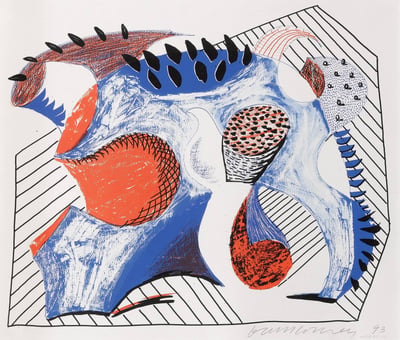
David Hockney
Untitled (for Joel Wachs), 1993
Limited Edition Print
Mixed Media
GBP 17,200
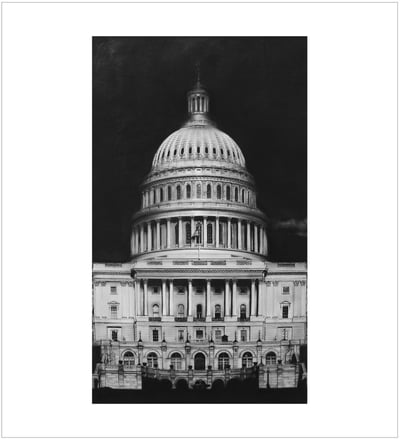
Robert Longo
Untitled (Capitol Detail), 2017
Limited Edition Print
Mixed Media
GBP 3,100
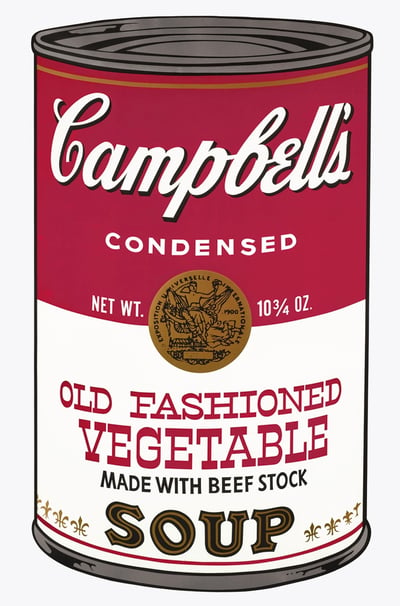
Andy Warhol
Campbell's Soup Can: Old Fashioned Vegetable, 1969
Limited Edition Print
Screen-print
GBP 70,000 - 80,000
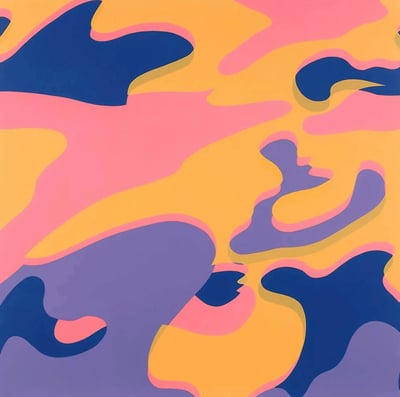
Andy Warhol
Camouflage F. & S. 410, 1987
Limited Edition Print
Screen-print
GBP 70,000 - 80,000
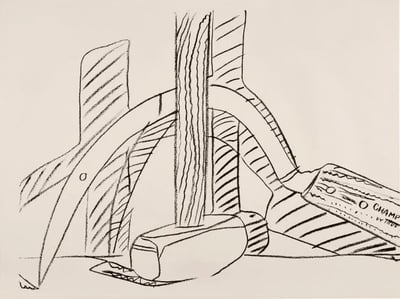
Andy Warhol
Hammer and Sickle: one plate (see F. & S. 161), 1977
Limited Edition Print
Screen-print
GBP 13,500
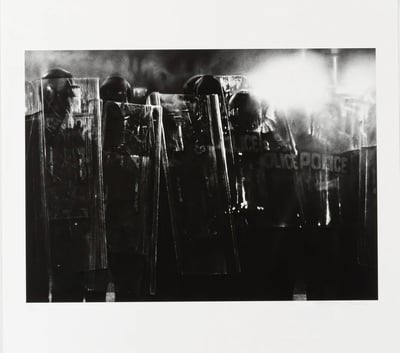
Robert Longo
Untitled (Riot Cops) , 2017
Limited Edition Print
Mixed Media
GBP 3,100
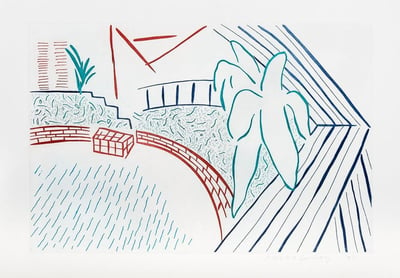
David Hockney
My Pool and Terrace, 1983
Limited Edition Print
Etching
GBP 25,000 - 30,000
Related Articles


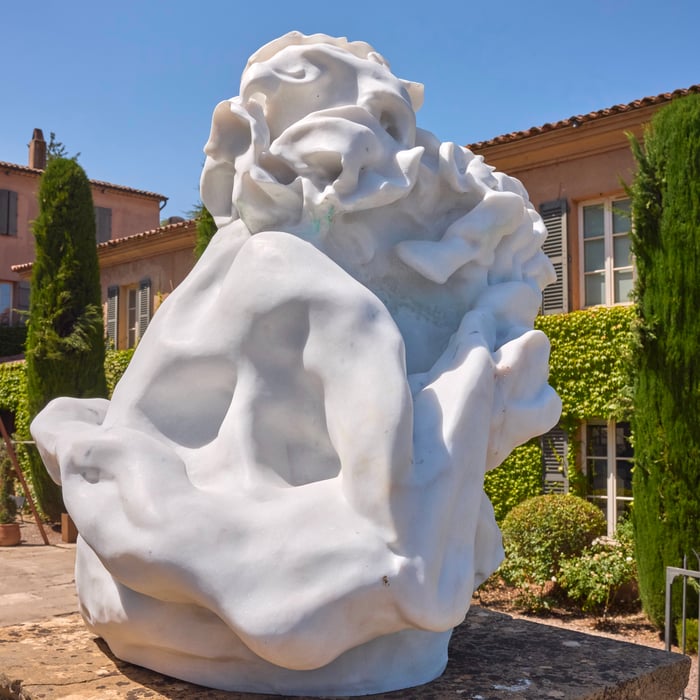

A watermark is an image or pattern embedded into a sheet of paper during the papermaking process. Each papermaker includes a faint trademark, which becomes visible when the paper is held up to a light source. Watermarks serve as a mark of authenticity and are used for identification, often carrying historical significance in determining the origin and age of the paper.
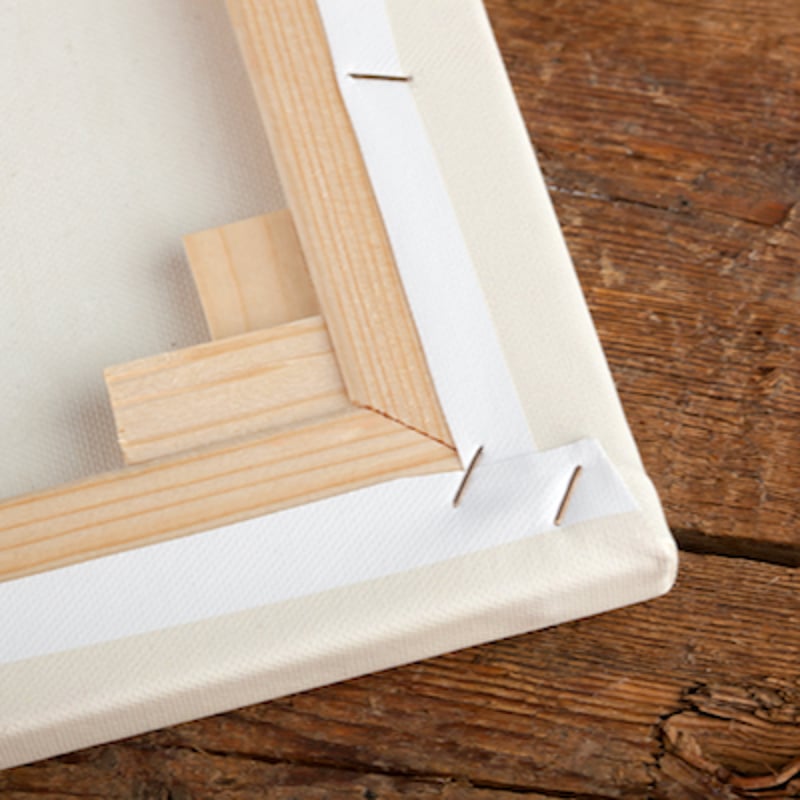
Recto and verso are terms used to describe the right and left pages of an open book, or the front and back of a sheet of paper. In both cases, recto refers to the right-hand page or the front of the paper, while verso refers to the left-hand page or the back of the paper. These terms are commonly used in bookbinding, printmaking, and art to distinguish between the two sides of a sheet.
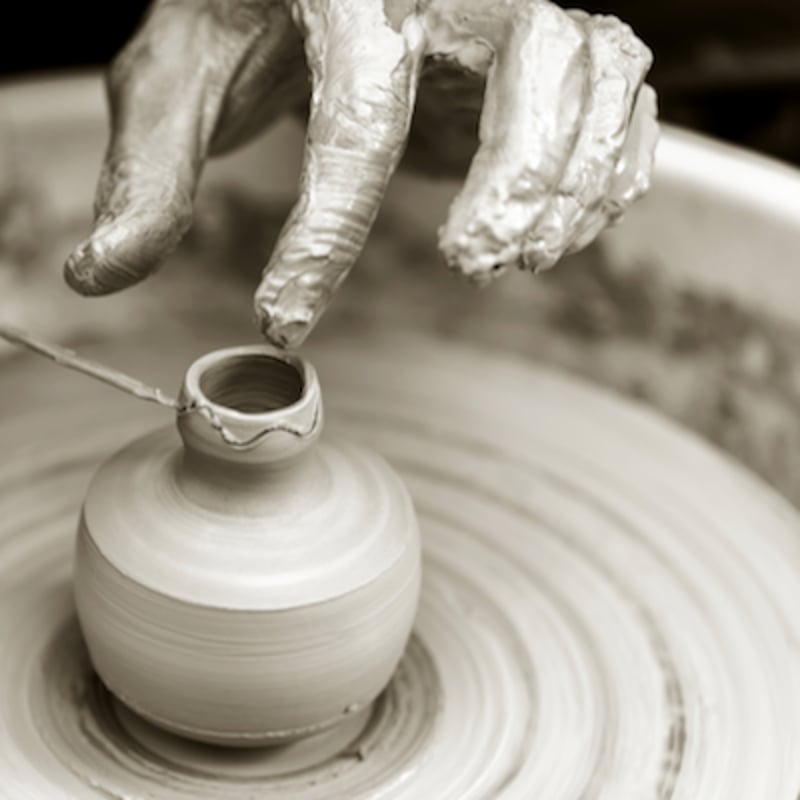
Ceramics is an art form that involves creating objects from clay. The clay is shaped, molded, and formed by hand or with specialized tools, then baked (or fired) in a high-temperature oven called a kiln. Decorative colors and special glazes can be applied to the surface, which are then fired again to finish the piece.
Can't find your Answer?
Thank you! Your question has been sent — we'll get back to you shortly.
