
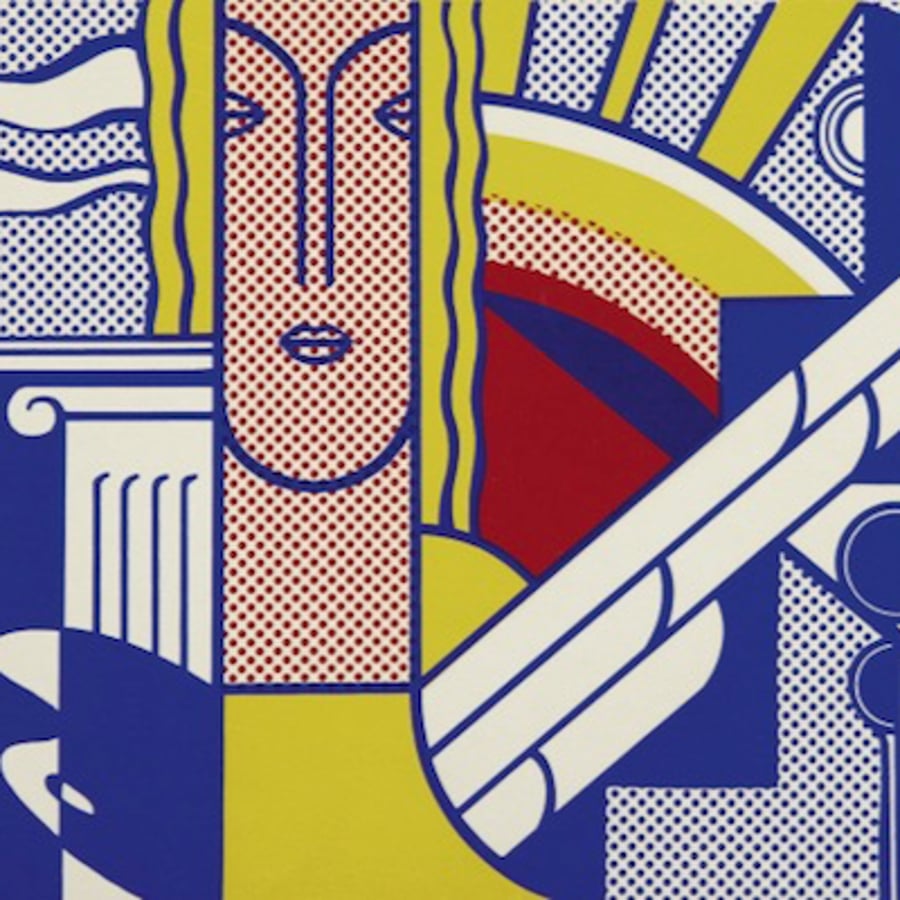
What is late modernism?
- Show All
- Established
- Discoveries
- Show All
Artworks Related to Late modernism
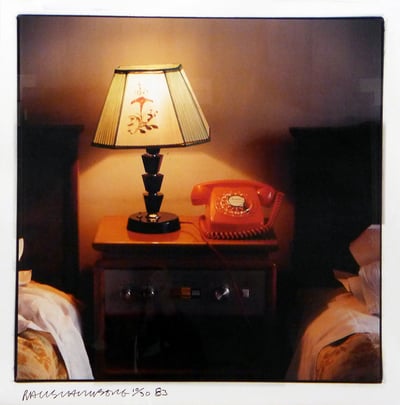
Robert Rauschenberg
Studies for Chinese Summerhall, Painted Lamp, 1983
Photography
C-Print
EUR 15,500

Henry Moore
Elephant skull (Plate A), 1969
Limited Edition Print
Etching and Aquatint
EUR 1,550
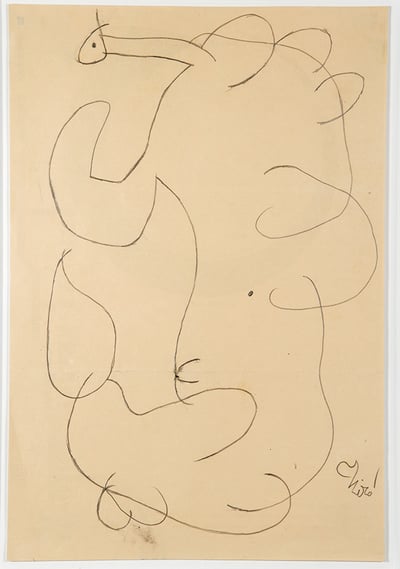
Joan Miró
Personnage, 1980
Drawing / Watercolor
Pencil
Inquire For Price
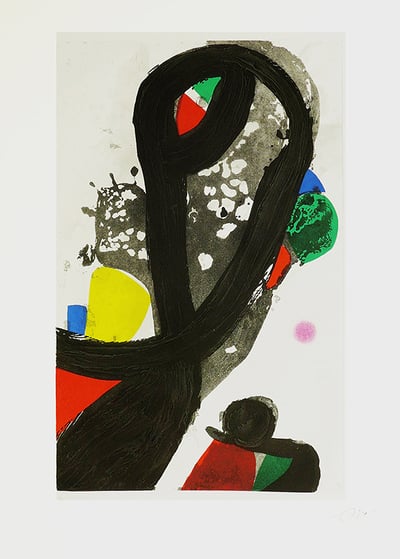
Joan Miró
La veuve du corsaire, 1981
Limited Edition Print
Etching and Aquatint
EUR 9,500

Joan Miró
Création Miró MCMLXI, 1962
Limited Edition Print
Etching and Aquatint
EUR 3,350
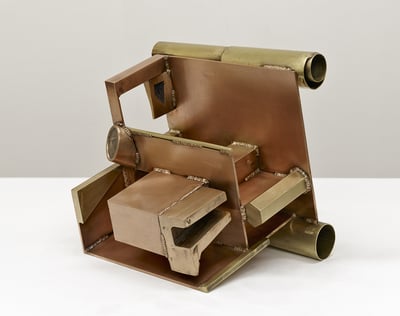
Anthony Caro
House Pitch, 2011
Sculpture / Object
Object
Inquire For Price
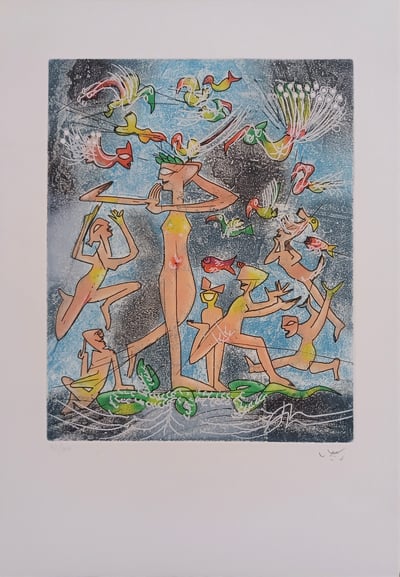
Roberto Matta
Demoiselles
Limited Edition Print
Etching and Aquatint
EUR 850
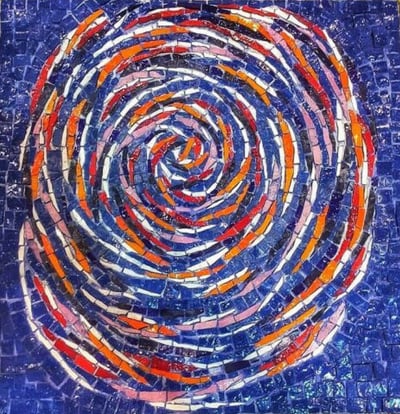
Piero Dorazio
Vortice, 1989
Sculpture / Object
Mosaic
EUR 2,000
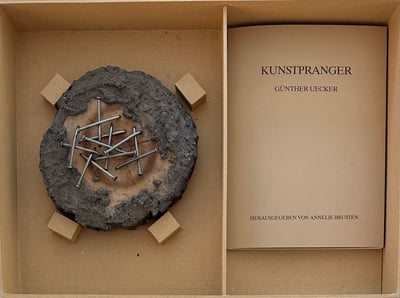
Gunther Uecker
Baum. Kunstpranger, 1984
Sculpture / Object
Mixed Media
EUR 10,800
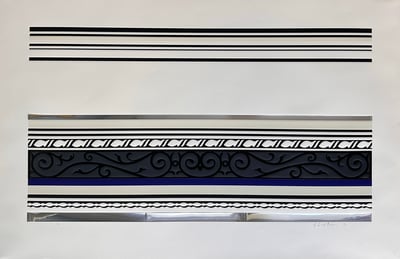
Roy Lichtenstein
Entablature IX (146), 1976
Limited Edition Print
Collage
EUR 20,000 - 25,000
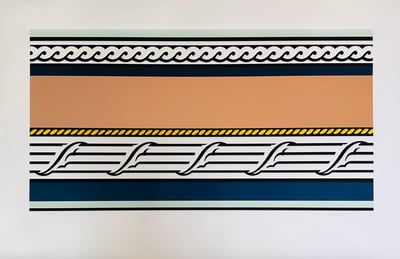
Roy Lichtenstein
Entablature IV (141), 1976
Limited Edition Print
Collage
EUR 20,000 - 25,000
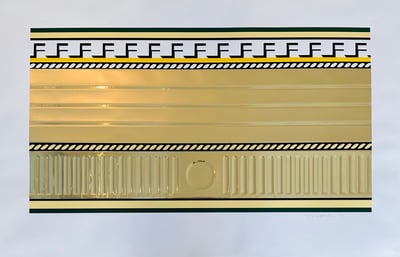
Roy Lichtenstein
Entablature III (140), 1976
Limited Edition Print
Collage
Inquire For Price
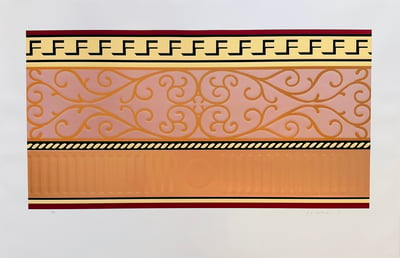
Roy Lichtenstein
Entablature II (139), 1976
Limited Edition Print
Collage
EUR 20,000 - 25,000
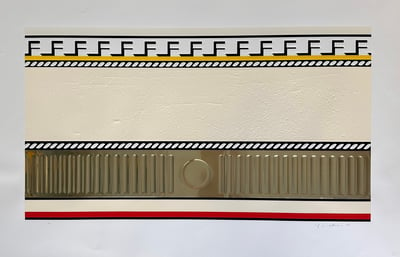
Roy Lichtenstein
Entablature I (138), 1976
Limited Edition Print
Collage
EUR 20,000 - 25,000
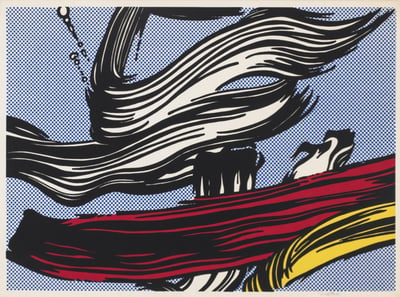
Roy Lichtenstein
Brushstrokes, 1967
Limited Edition Print
Screen-print
Inquire For Price
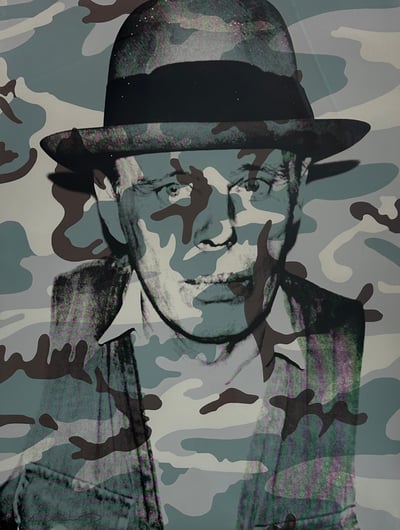
Andy Warhol
Joseph Beuys in Memoriam, 1986
Limited Edition Print
Screen-print
EUR 30,000 - 40,000
Related Articles



New Topographics is a term coined in 1975 by curator William Jenkins to describe a group of photographers whose work focused on formal black-and-white images of urban and industrial landscapes. Jenkins initially described their aesthetic as banal, but the photographers themselves argued that their compositions were as significant as those of natural landscapes, emphasizing the beauty in everyday, man-made environments.
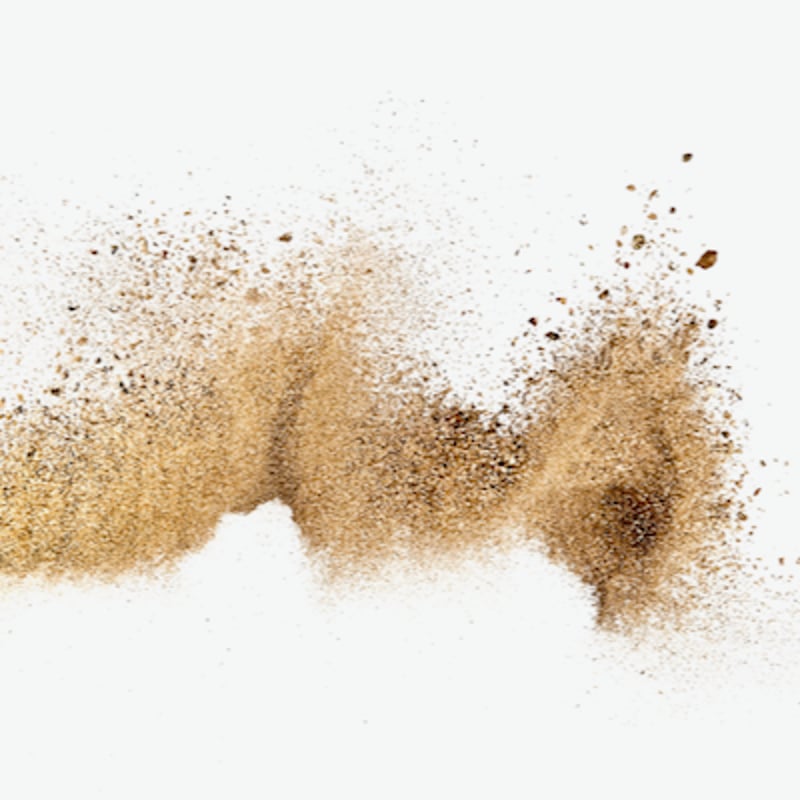
Sand consists of loose grains of material primarily made up of minerals like quartz, mica, and feldspar, as well as small fragments of rocks. Sand paintings are created by pouring colored sand into intricate designs, often for cultural rituals or special celebrations. These designs can take many days to complete and are traditionally brushed away after the ceremony, emphasizing the impermanence of the artwork.
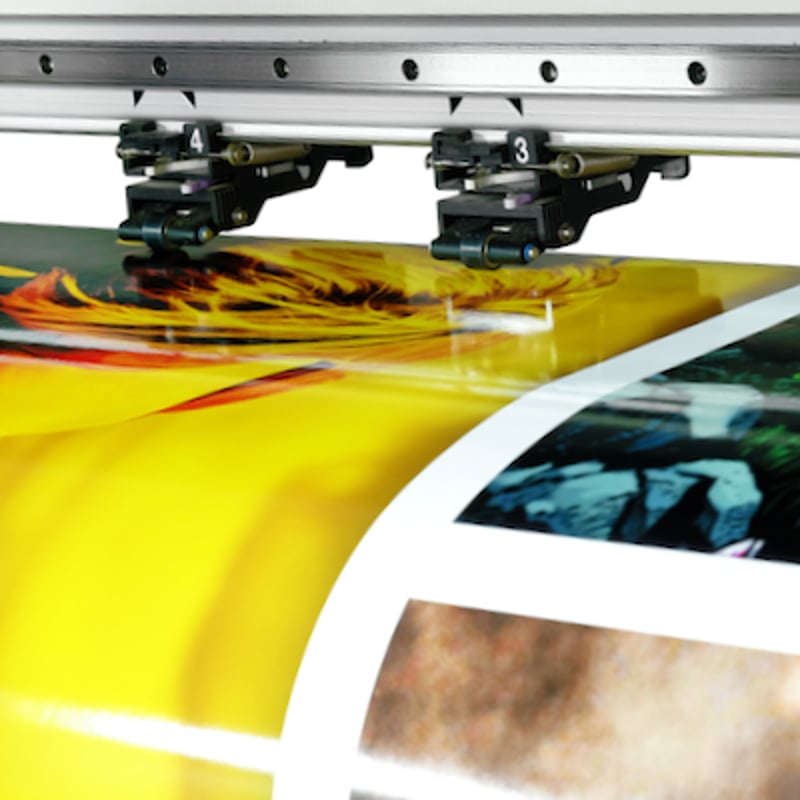
Digital print on paper refers to a digital image printed with archival-grade inks on high-quality, acid-free paper. This process ensures the print can last over twenty years if properly stored. The digital file allows for future prints to be made as needed.
Can't find your Answer?
Thank you! Your question has been sent — we'll get back to you shortly.
