
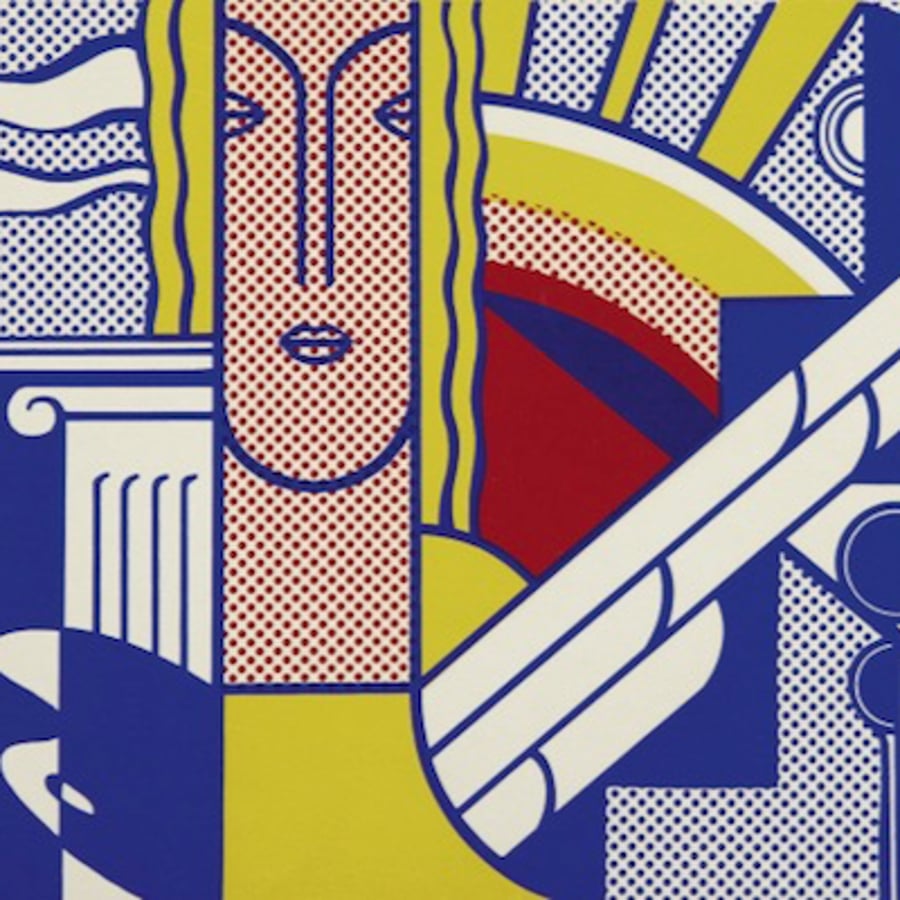
What is late modernism?
- Show All
- Established
- Discoveries
- Show All
Artworks Related to Late modernism
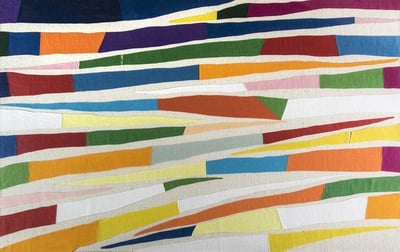
Piero Dorazio
Untitled (Collage), 1974
Limited Edition Print
Collage
EUR 6,875

Man Ray
Cadeau (special edition), 1921-1974
Sculpture / Object
Metal
EUR 14,250
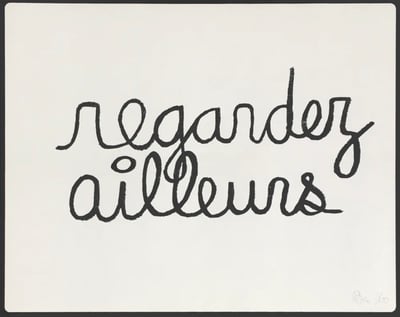
Ben Vautier
Regardez ailleurs, c. 1980
Limited Edition Print
Lithograph
EUR 1,750
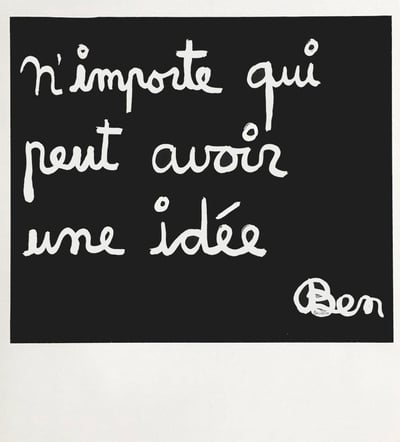
Ben Vautier
N’importe qui peut avoir une idée, c. 1980
Limited Edition Print
Lithograph
Currently Not Available

Mario Merz
Senza titolo, 1991
Limited Edition Print
Mixed Media
EUR 1,600

Michelangelo Pistoletto
Alter Ego, 1984
Limited Edition Print
Screen-print
EUR 1,050

Joan Miró
Commedia D’arte V, 1979
Limited Edition Print
Etching
USD 15,000 - 20,000
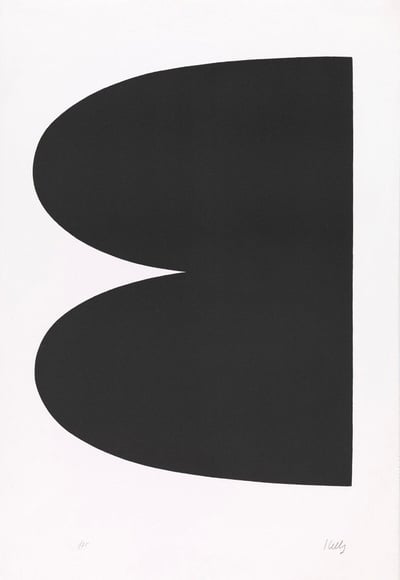
Ellsworth Kelly
Black (Noir), 1964-65
Limited Edition Print
Lithograph
USD 20,000 - 25,000
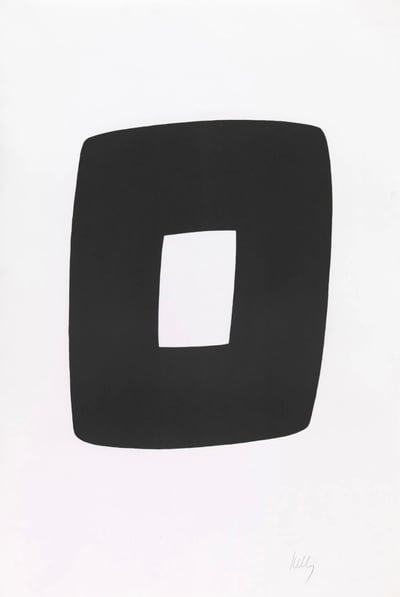
Ellsworth Kelly
Black with White, 1964-65
Limited Edition Print
Lithograph
USD 22,500

Alberto Biasi
Red Rain, 2022
Sculpture / Object
Mixed Media
EUR 3,000
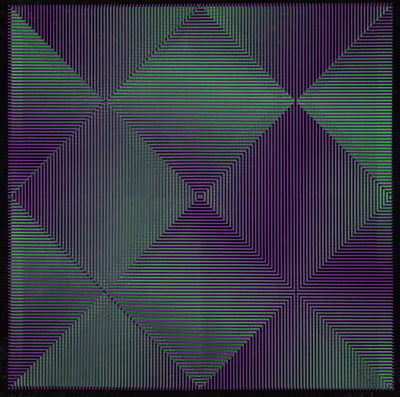
Alberto Biasi
Rilievo ottico cinetico, 1972
Limited Edition Print
Screen-print
EUR 1,900
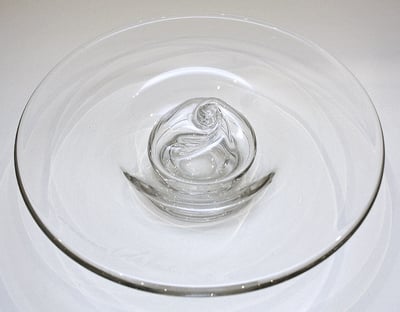
Gunther Uecker
Jahresteller, 1975
Sculpture / Object
Glass
EUR 1,620

Robert Rauschenberg
Happiness, 1994
Limited Edition Print
Lithograph
USD 3,700

Ellsworth Kelly
Blue Green Black Red, 1971
Limited Edition Print
Lithograph
Currently Not Available
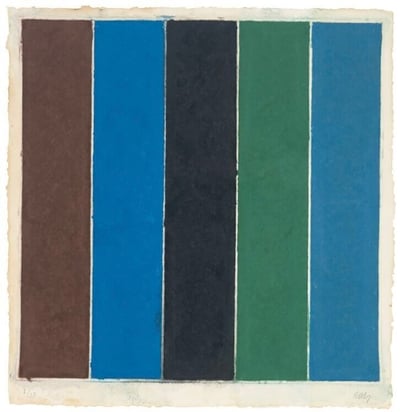
Ellsworth Kelly
Colored Paper Image XIX, 1976
Limited Edition Print
Mixed Media
USD 22,900

Victor Vasarely
Attika 3, 1990
Limited Edition Print
Screen-print
USD 1,250
Related Articles


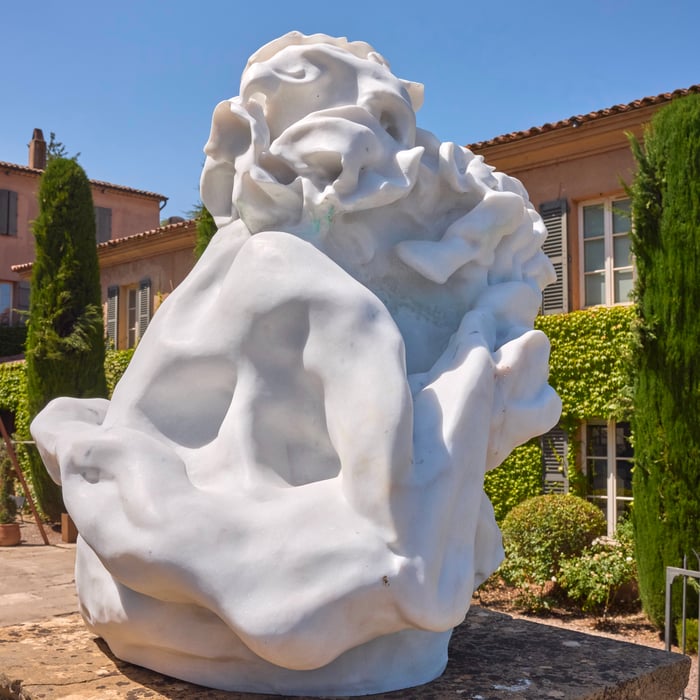

Chalk is a natural mineral, primarily composed of calcium carbonate. In art, chalk refers to sticks used for drawing, made from a mixture of chalk, colored pigments, and gum Arabic. These sticks are usually shaped into four flat sides for easier handling.

A C-type print, also known as a chromogenic print, is a photographic print made from a color negative or slide. The print is created on chromogenic paper, which contains three emulsion layers, each sensitized to a different primary color. After exposure, the paper is processed in a series of chemical baths, where each layer reacts to the chemicals to produce the final image. C-type prints are known for their rich color depth and are widely used in fine art and commercial photography.
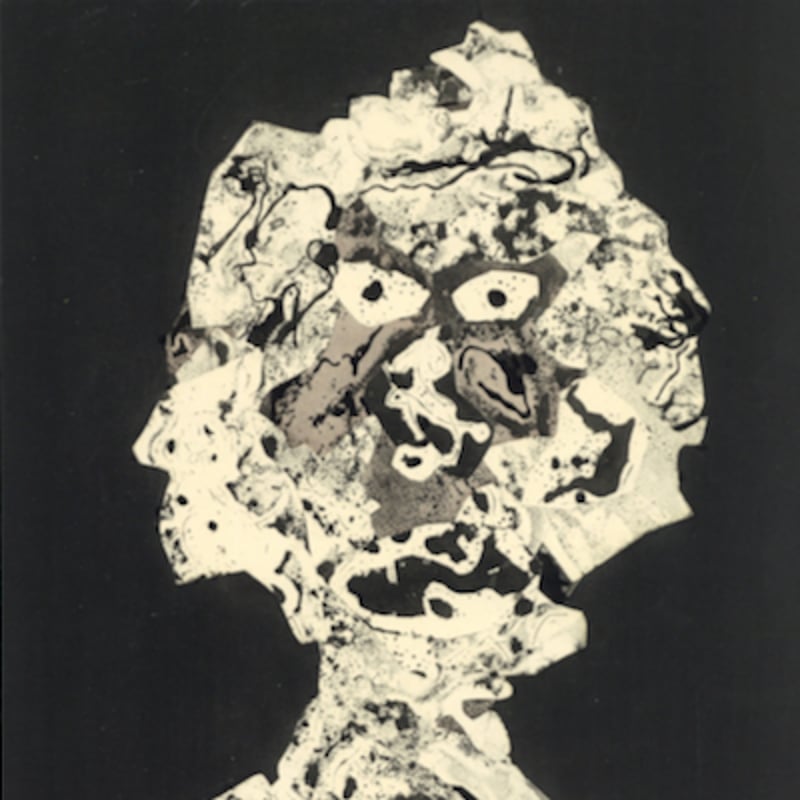
Art Brut, a French term meaning Raw Art, was coined by Jean Dubuffet to describe art created outside the conventional fine arts tradition. Dubuffet used the term to refer to works made by self-taught artists, including the mentally ill, prisoners, and others on the margins of society. He also called it Outsider Art. This art is characterized by its raw, unrefined nature, often created without concern for traditional presentation or imitation.
Can't find your Answer?
Thank you! Your question has been sent — we'll get back to you shortly.
