
What is Latin American art?
- Show All
- Established
- Discoveries
- Show All
Artworks Related to Latin American Art
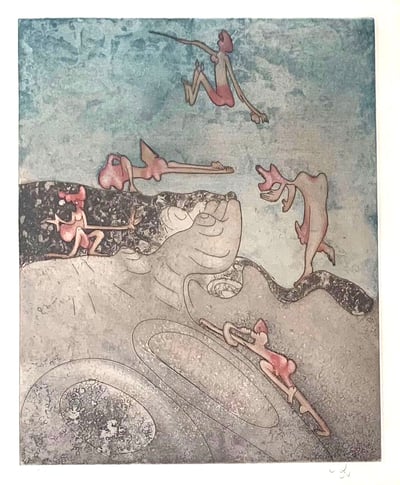
Roberto Matta
Untitled (from Così Fan Tutte) #7, 1970
Limited Edition Print
Etching and Aquatint
USD 1,875

Roberto Matta
Untitled (from Così Fan Tutte) #6, 1970
Limited Edition Print
Etching and Aquatint
USD 1,875

Roberto Matta
Untitled (from Così Fan Tutte) #5, 1970
Limited Edition Print
Etching and Aquatint
USD 1,875

Roberto Matta
Untitled (from Così Fan Tutte) #4, 1970
Limited Edition Print
Etching
USD 1,875

Roberto Matta
Untitled (from Così Fan Tutte) #3, 1970
Limited Edition Print
Etching and Aquatint
USD 1,875

Roberto Matta
Untitled (from Così Fan Tutte) #2, 1970
Limited Edition Print
Etching and Aquatint
USD 1,875

Roberto Matta
Untitled (from Così Fan Tutte) #1, 1970
Limited Edition Print
Etching and Aquatint
USD 1,875
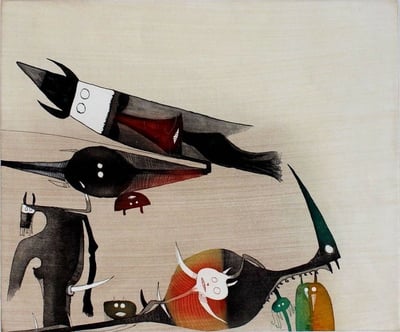
Wifredo Lam
Sans titre - XXe siecle plate #5, 1977
Limited Edition Print
Etching and Aquatint
USD 1,100
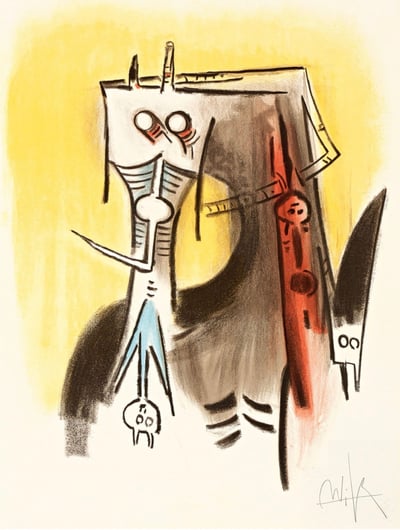
Wifredo Lam
Le regard vertical #1, 1973
Limited Edition Print
Lithograph
Currently Not Available
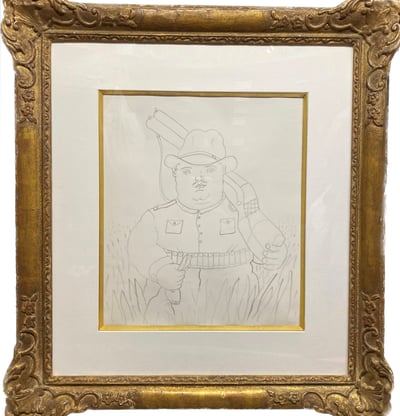
Fernando Botero
Hunter, 1980
Drawing / Watercolor
Pencil
USD 29,000 - 35,000

Luis Tomasello
S/T 3 - Rosa, 2013
Limited Edition Print
Lithograph
EUR 3,000

Francisca Sutil
Mute 25 (B), 2013
Limited Edition Print
Etching
EUR 2,700

André Komatsu
Desapropriaçâo 1, 2011
Limited Edition Print
Lithograph
EUR 700
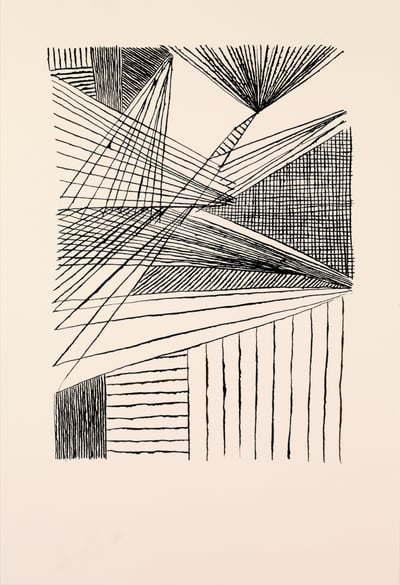
León Ferrari
Sin título 4, 2008
Limited Edition Print
Lithograph
EUR 1,000
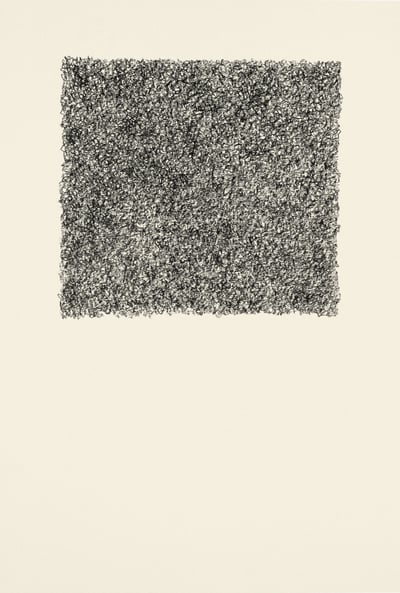
León Ferrari
Sin título 3, 2008
Limited Edition Print
Lithograph
EUR 1,000
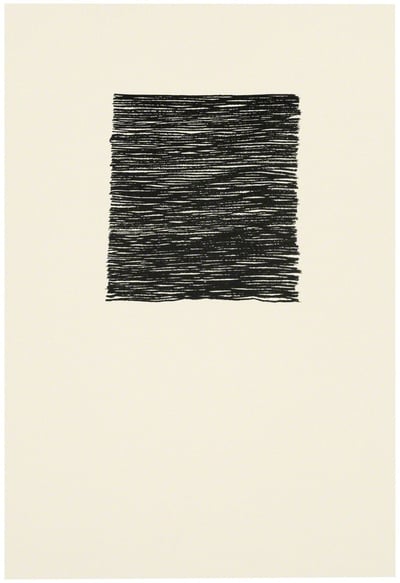
León Ferrari
Sin título 2, 2008
Limited Edition Print
Lithograph
EUR 1,000
Related Articles
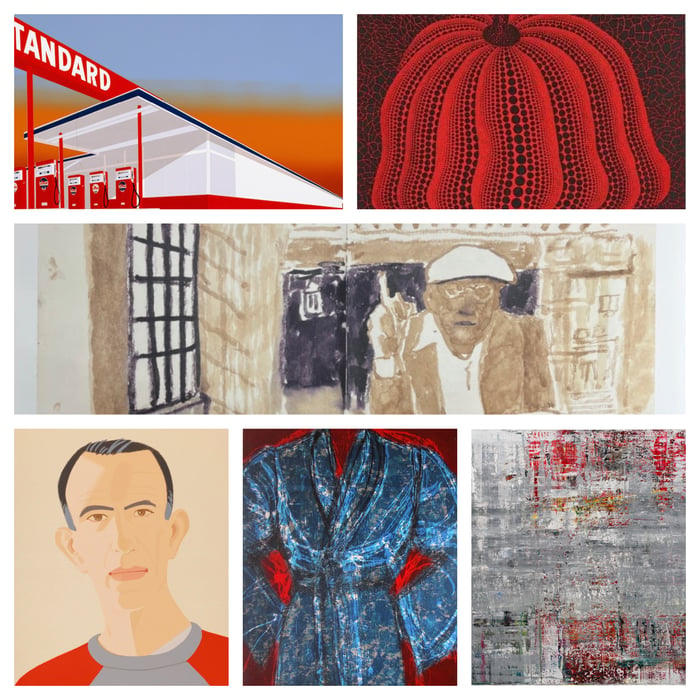
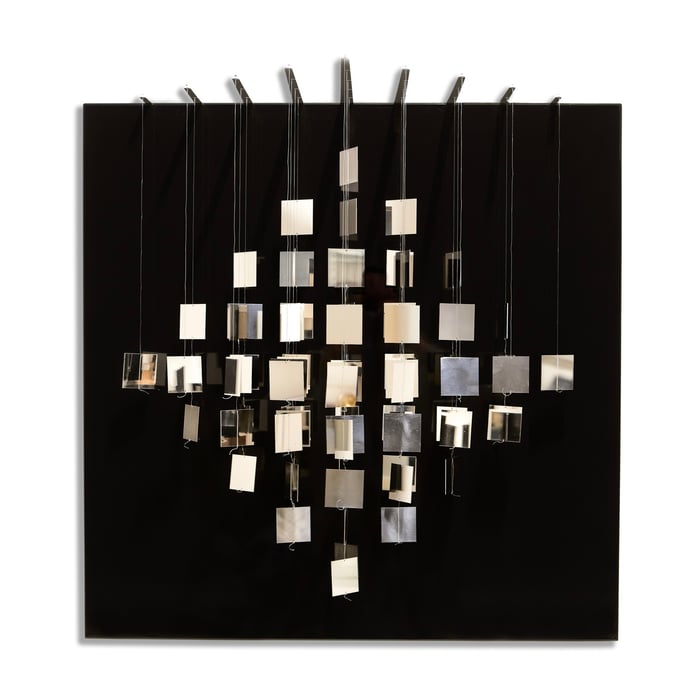
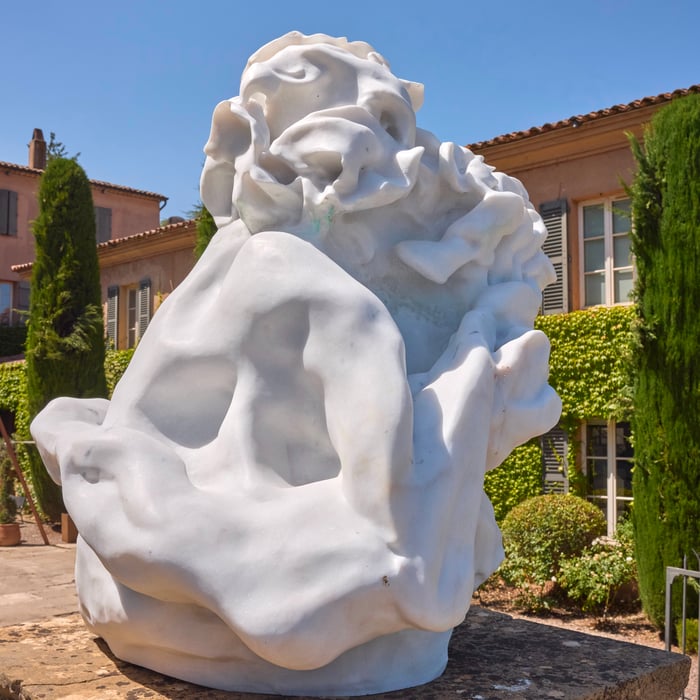

Neo-Dada is a minor visual and audio art movement with intents similar to those of Dada artwork. While it revives some of Dada's objectives, Neo-Dada emphasizes the importance of the produced artwork rather than the concept behind it. The movement is considered the foundation of Pop Art, Nouveau Réalisme, and Fluxus. Neo-Dada is known for its use of absurdist contrasts, popular imagery, and modern materials, blending high and low culture in a way that challenges traditional artistic conventions.
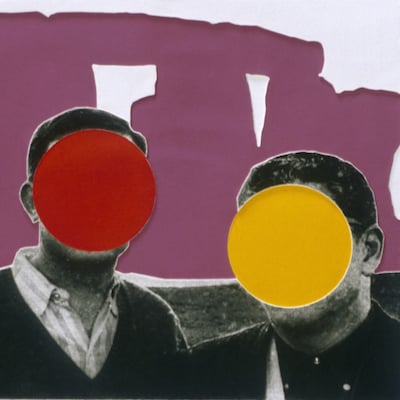
Sometimes referred to as Conceptualism, this is an art form where the idea(s) or concept(s) behind the work take precedence over material concerns and traditional aesthetics. Many conceptual artworks can be created by anyone simply by following written instructions. The concept or idea is the most essential aspect of the artwork.

Art Intervention refers to art created with the intention of interacting with an existing situation, structure, artwork, audience, or institution. This form of art gained popularity in the 1960s as artists sought to provoke change within political and social contexts. The concept of Artist-in-Residence programs was influenced by the ideas and practices of this movement.
Can't find your Answer?
Thank you! Your question has been sent — we'll get back to you shortly.
