

Sin título 3, 2008
Form
Medium
Size
- Inches
- Centimeters
Edition
Price
- USD
- EUR
- GBP
- CHF
- Authenticity Guaranteed
- Insured Shipping
- Online Since 2005
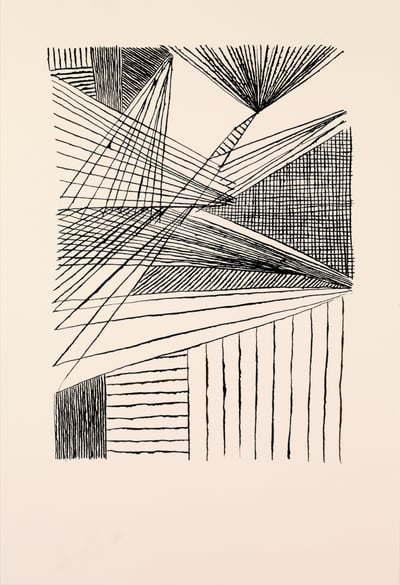
León Ferrari
Sin título 4, 2008
Limited Edition Print
Lithograph
EUR 1,000
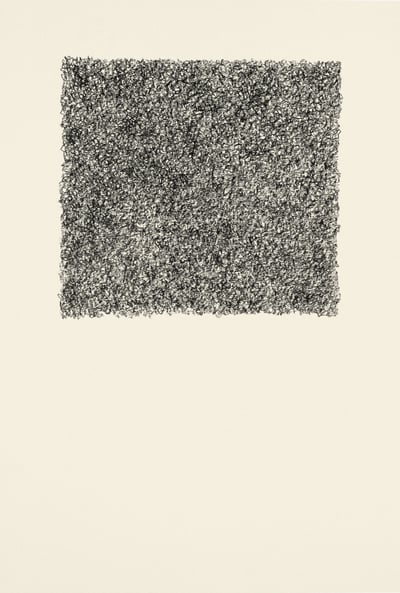
León Ferrari
Sin título 3, 2008
Limited Edition Print
Lithograph
EUR 1,000
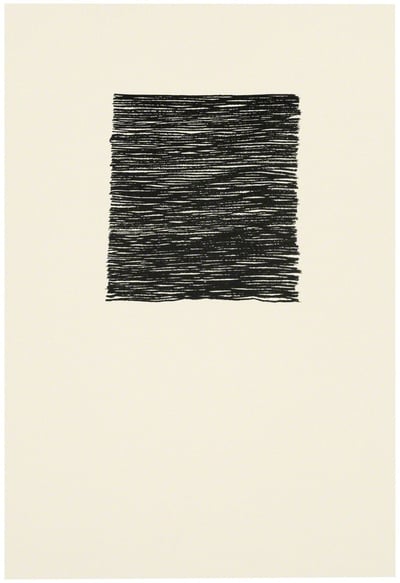
León Ferrari
Sin título 2, 2008
Limited Edition Print
Lithograph
EUR 1,000
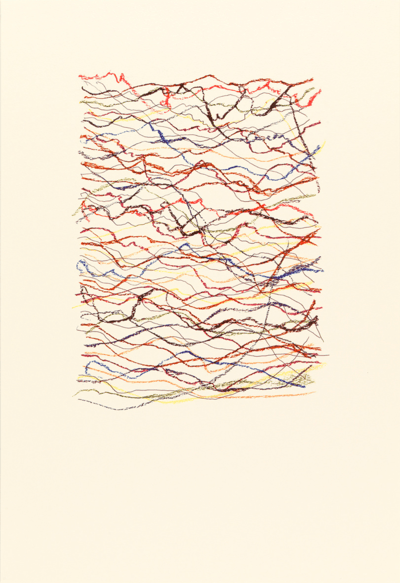
León Ferrari
Mod. 14, 2009
Limited Edition Print
Lithograph
EUR 1,000

León Ferrari
Árbol embarazador, 2009
Limited Edition Print
Lithograph
EUR 1,000

León Ferrari
A un lado por la izquierda, 2009
Limited Edition Print
Lithograph
EUR 1,000

León Ferrari
Mod. 9, 2009
Limited Edition Print
Lithograph
EUR 1,000

León Ferrari
Mod. 8, 2009
Limited Edition Print
Lithograph
EUR 1,000

León Ferrari
Mod. 6, 2009
Limited Edition Print
Lithograph
EUR 1,000

León Ferrari
Mod. 5, 2009
Limited Edition Print
Lithograph
EUR 1,000
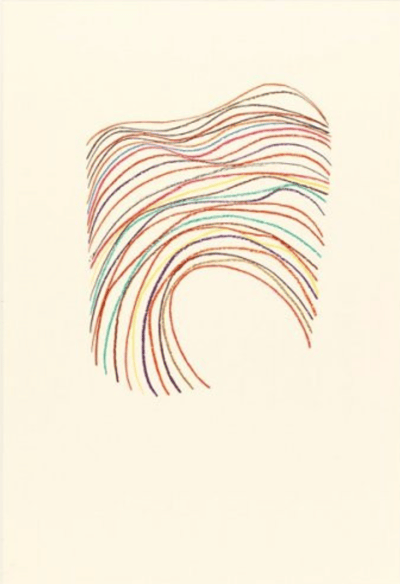
León Ferrari
Mod. 13, 2009
Limited Edition Print
Lithograph
EUR 1,000
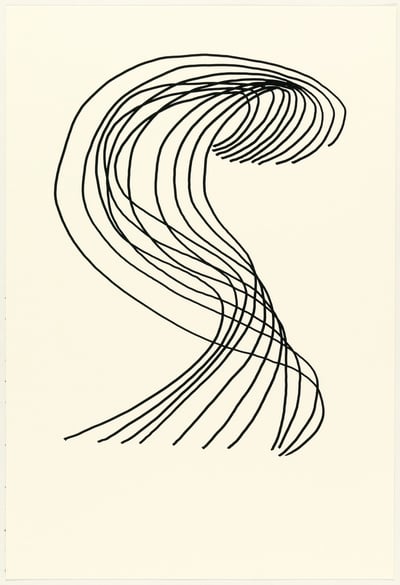
León Ferrari
Mod. 4, 2009
Limited Edition Print
Lithograph
EUR 1,000
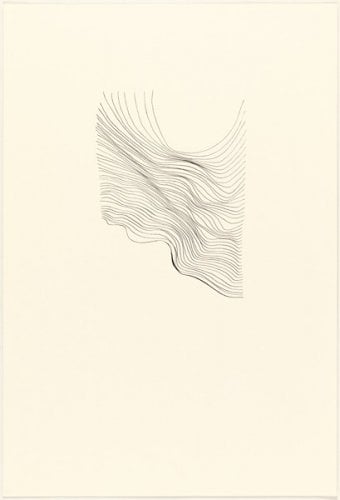
León Ferrari
Mod. 3, 2009
Limited Edition Print
Lithograph
EUR 1,000
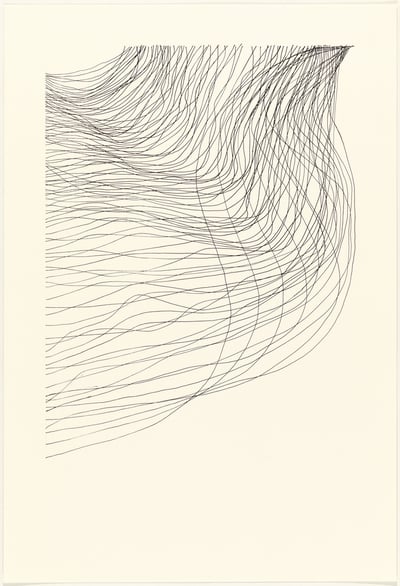
León Ferrari
Mod. 2, 2009
Limited Edition Print
Lithograph
EUR 1,000
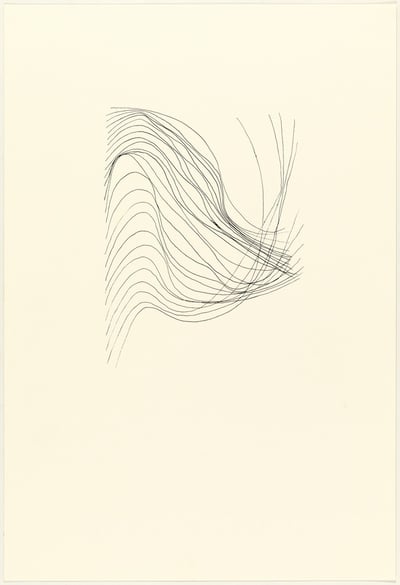
León Ferrari
Mod. 1, 2009
Limited Edition Print
Lithograph
EUR 1,000
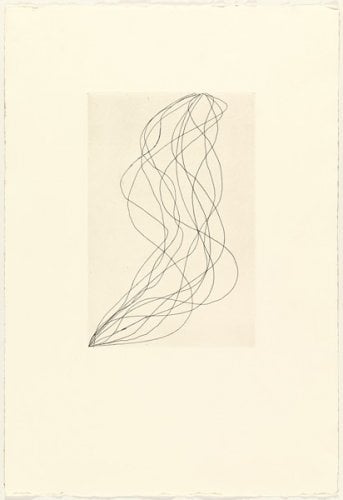
León Ferrari
Mod. 2, 2009
Limited Edition Print
Etching
EUR 1,000
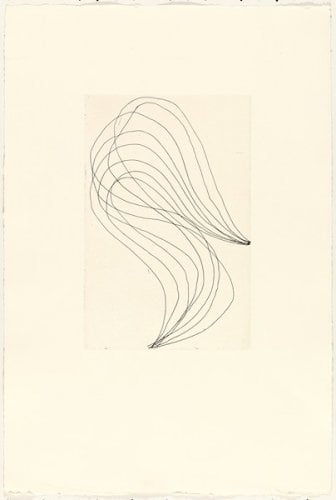
León Ferrari
Mod. 1, 2009
Limited Edition Print
Etching
EUR 1,000

León Ferrari
Swish and swallow, 2009
Limited Edition Print
Lithograph
Currently Not Available

León Ferrari
Mod. 7, 2009
Limited Edition Print
Lithograph
Currently Not Available
Related Artists


What is Fluxus?
Derived from the Latin word meaning flow, Fluxus is an international movement of designers, composers, and artists known for blending various artistic disciplines and media during the 1960s. The movement remains active in visual art, performance, design, architecture, urban planning, and other creative fields. Fluxus is sometimes referred to as nter-media and continues to play a pivotal role in expanding the definitions of what art can be.

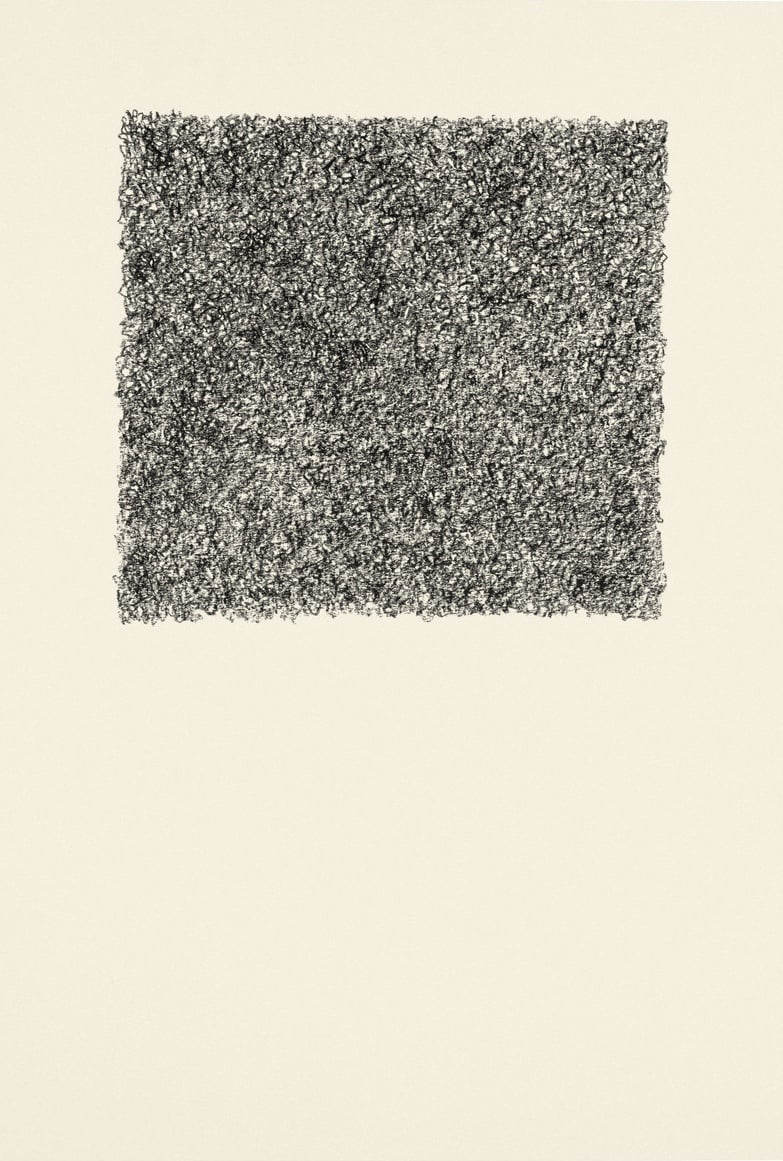
León Ferrari
Sin título 3, 2008
56 x 38 cm


