

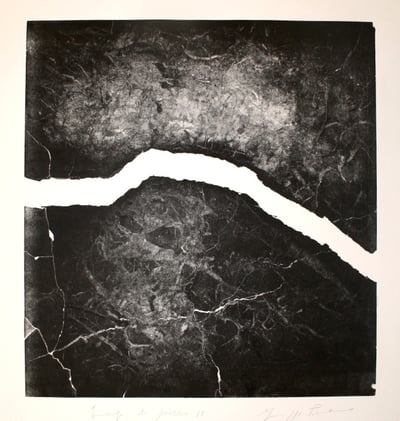
A un lado por la izquierda, 2009
Form
Medium
Size
- Inches
- Centimeters
Edition
Price
- USD
- EUR
- GBP
- CHF
- Authenticity Guaranteed
- Insured Shipping
- Online Since 2005
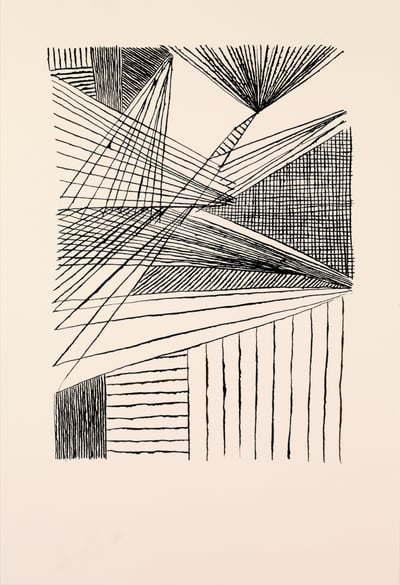
León Ferrari
Sin título 4, 2008
Limited Edition Print
Lithograph
EUR 1,000
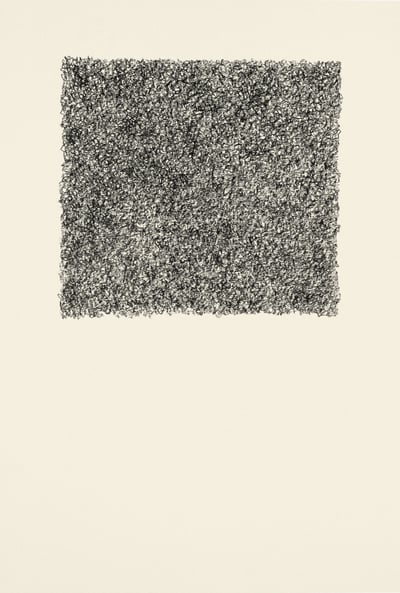
León Ferrari
Sin título 3, 2008
Limited Edition Print
Lithograph
EUR 1,000
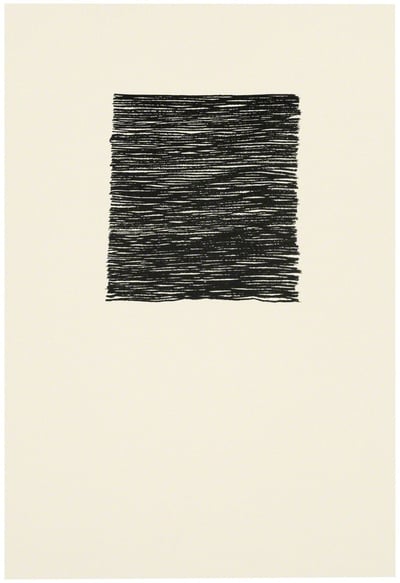
León Ferrari
Sin título 2, 2008
Limited Edition Print
Lithograph
EUR 1,000
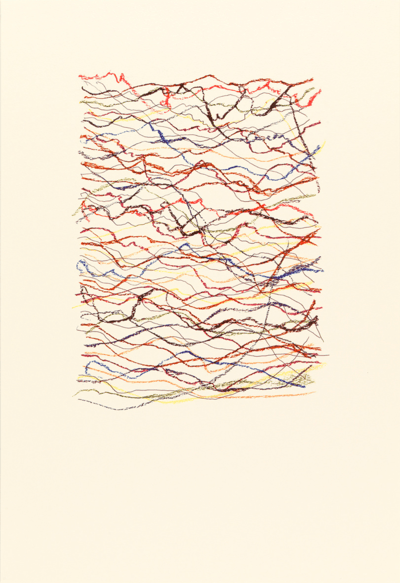
León Ferrari
Mod. 14, 2009
Limited Edition Print
Lithograph
EUR 1,000

León Ferrari
Árbol embarazador, 2009
Limited Edition Print
Lithograph
EUR 1,000

León Ferrari
A un lado por la izquierda, 2009
Limited Edition Print
Lithograph
EUR 1,000

León Ferrari
Mod. 9, 2009
Limited Edition Print
Lithograph
EUR 1,000

León Ferrari
Mod. 8, 2009
Limited Edition Print
Lithograph
EUR 1,000

León Ferrari
Mod. 6, 2009
Limited Edition Print
Lithograph
EUR 1,000

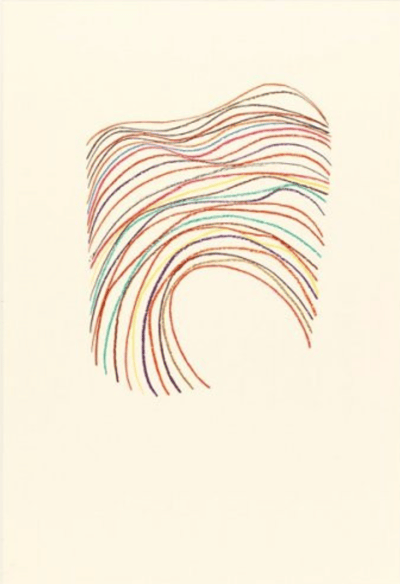
León Ferrari
Mod. 5, 2009
Limited Edition Print
Lithograph
EUR 1,000
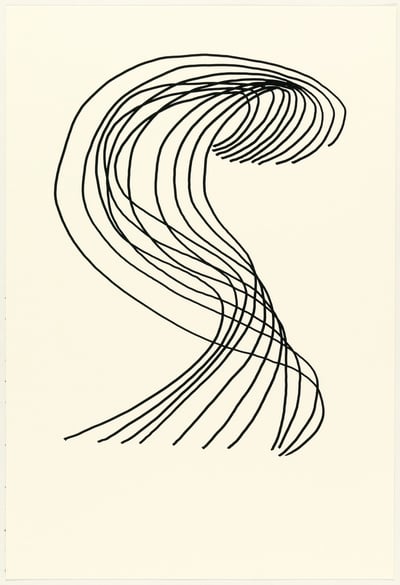
León Ferrari
Mod. 13, 2009
Limited Edition Print
Lithograph
EUR 1,000
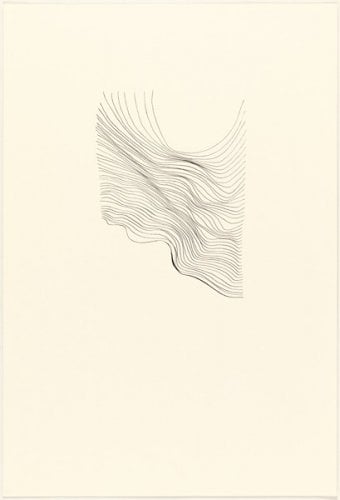
León Ferrari
Mod. 4, 2009
Limited Edition Print
Lithograph
EUR 1,000
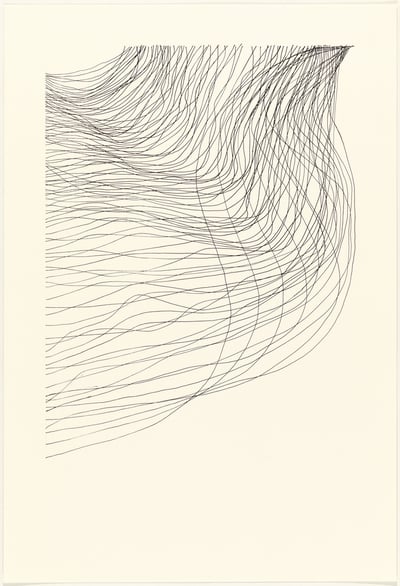
León Ferrari
Mod. 3, 2009
Limited Edition Print
Lithograph
EUR 1,000
León Ferrari
Mod. 2, 2009
Limited Edition Print
Lithograph
EUR 1,000
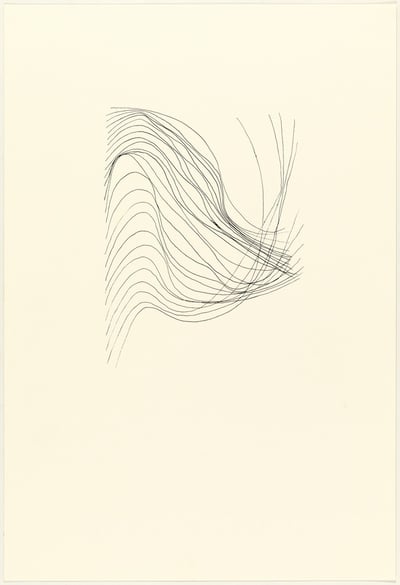
León Ferrari
Mod. 1, 2009
Limited Edition Print
Lithograph
EUR 1,000
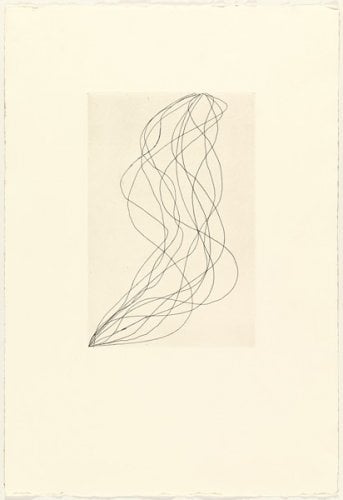
León Ferrari
Mod. 2, 2009
Limited Edition Print
Etching
EUR 1,000
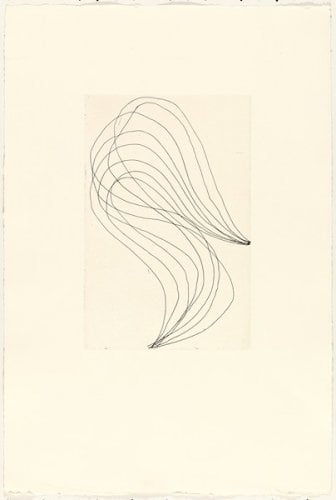
León Ferrari
Mod. 1, 2009
Limited Edition Print
Etching
EUR 1,000

León Ferrari
Swish and swallow, 2009
Limited Edition Print
Lithograph
Currently Not Available

León Ferrari
Mod. 7, 2009
Limited Edition Print
Lithograph
Currently Not Available
Related Artists


What is abstract expressionism?
Abstract Expressionism is an art movement that emerged in the United States during the 1940s and 1950s. Characterized by large, abstract canvases, the movement emphasized spontaneous, expressive brushwork and the use of color and form to convey emotion rather than represent reality. Artists like Jackson Pollock, Mark Rothko, and Willem de Kooning are key figures in this movement. Abstract Expressionism marked a shift in the art world, making New York City a center of the international art scene.


León Ferrari
A un lado por la izquierda, 2009
56 x 38 cm


