
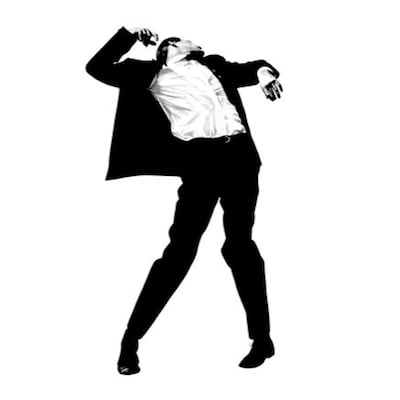
What is Performance Art?
- Show All
- Established
- Discoveries
- Show All
Artworks Related to Performance art
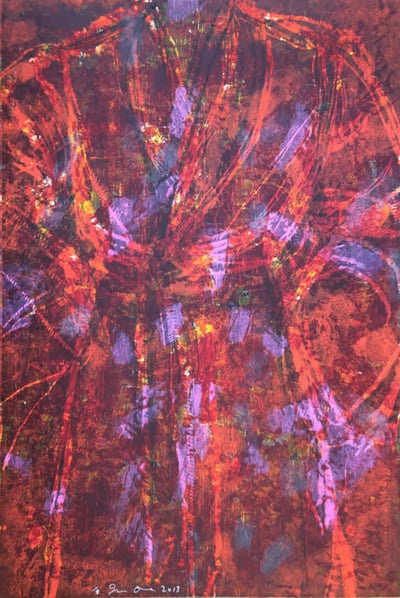
Jim Dine
Transparent Grey Robe, 2013
Limited Edition Print
Mixed Media
USD 21,000

Jim Dine
The Hand-Colored Viennese Hearts I, 1990
Limited Edition Print
Mixed Media
USD 11,300
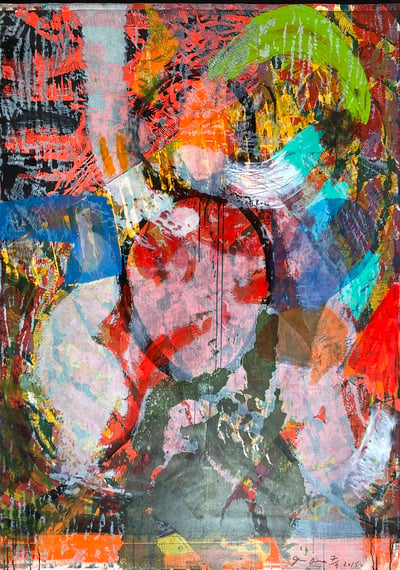
Jim Dine
Million Kisses Poem, 2015
Limited Edition Print
Mixed Media
USD 17,500

Jim Dine
Two Florida Bathrobes, 1986
Limited Edition Print
Mixed Media
USD 15,950
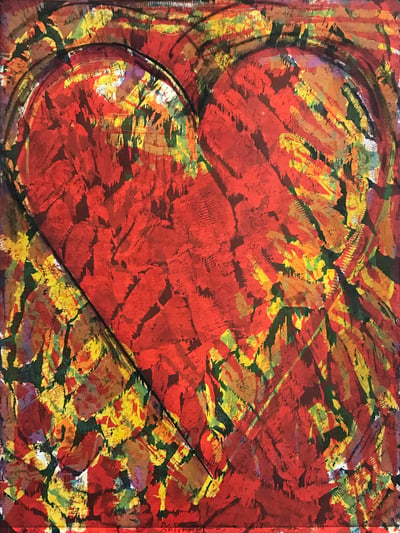
Jim Dine
The New Building, 2013
Limited Edition Print
Mixed Media
USD 17,750
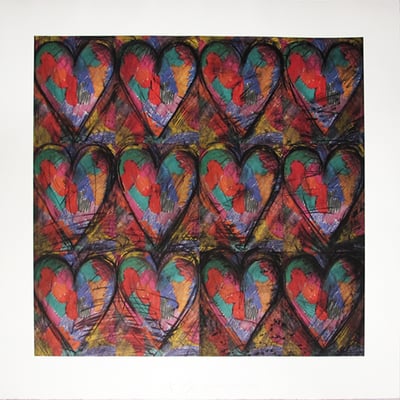
Jim Dine
The Memory, 2014
Limited Edition Print
Mixed Media
USD 21,000
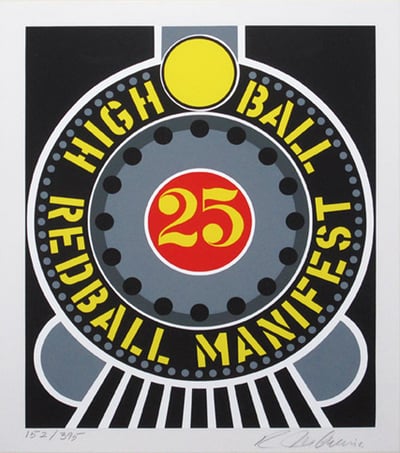
Robert Indiana
The American Dream (High Ball Redball Manifest), 1996
Limited Edition Print
Silkscreen
USD 3,700
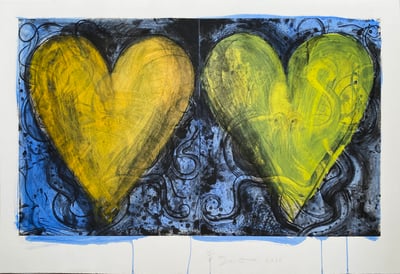
Jim Dine
The Octopus, 2015
Limited Edition Print
Woodcut
USD 17,770
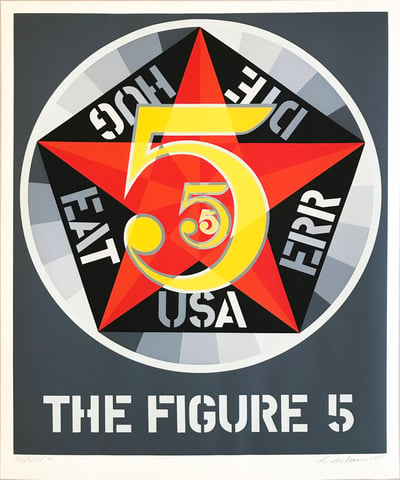
Robert Indiana
Decade (The Figure 5), 1971
Limited Edition Print
Screen-print
USD 4,500

Robert Indiana
The Small Diamond Demuth Five, 1963/2001
Limited Edition Print
Silkscreen
USD 7,200

Robert Indiana
The American Dream (Metamorphosis of Norma Jean Mortenson), 1996
Limited Edition Print
Silkscreen
USD 3,750

Robert Indiana
(Marilyn) Descent of a Love Goddess, 2008
Limited Edition Print
Silkscreen
USD 6,250

Jim Dine
Radiant Landscape, 2015
Limited Edition Print
Mixed Media
USD 17,750
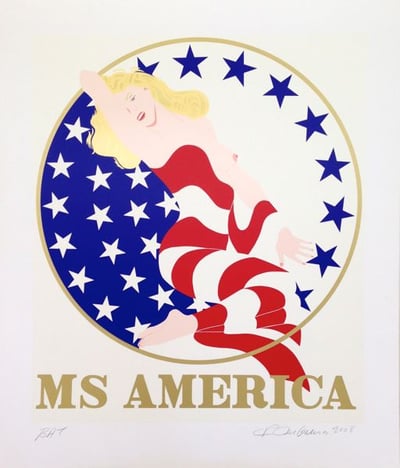
Robert Indiana
Marilyn Ms. America, 2008
Limited Edition Print
Silkscreen
USD 4,800
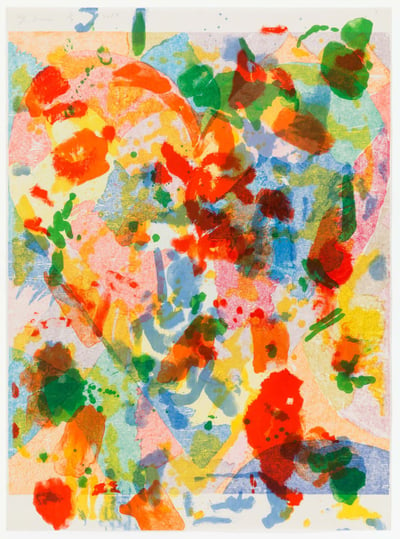
Jim Dine
Poem on Main Street, 2017
Limited Edition Print
Lithograph
USD 19,950
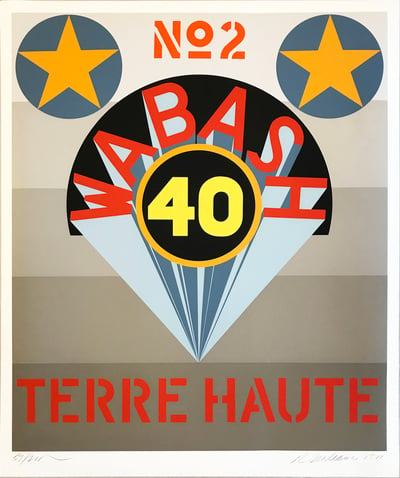
Robert Indiana
Decade (Terre Haute No. 2), 1971
Limited Edition Print
Screen-print
USD 3,200
Related Articles

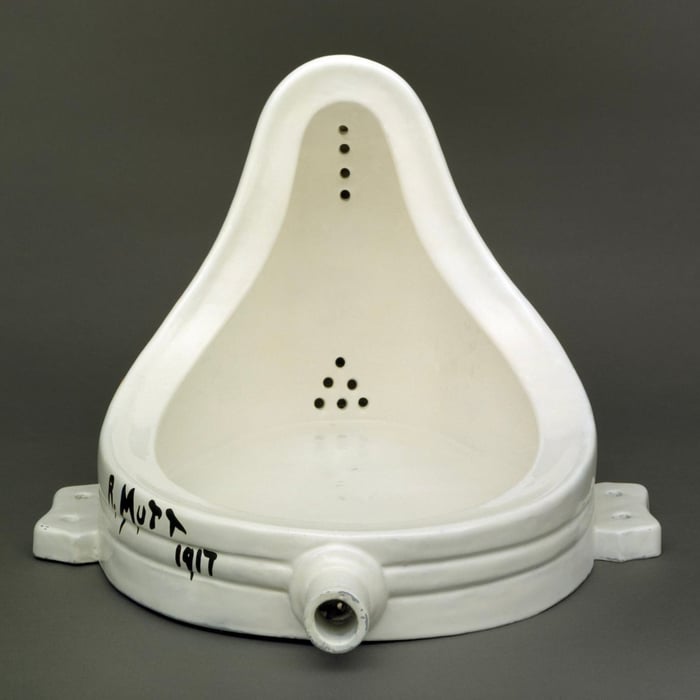

Entropy, in a broader sense, refers to the inevitable deterioration or decline of a society or system. In art, the concept was popularized by artist Robert Smithson in the 1960s. He used the term to critique what he saw as the static and overly simplified nature of contemporary minimalist art. Smithson's work often explored the idea of entropy as a force of chaos and decay, contrasting with the perceived order and purity of minimalist works.

Recto and verso are terms used to describe the right and left pages of an open book, or the front and back of a sheet of paper. In both cases, recto refers to the right-hand page or the front of the paper, while verso refers to the left-hand page or the back of the paper. These terms are commonly used in bookbinding, printmaking, and art to distinguish between the two sides of a sheet.
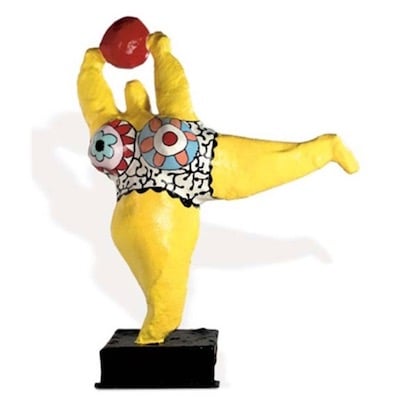
Papier-mâché is a composite material made from pieces of paper or pulp, reinforced with textiles and bound with adhesives like starch, wallpaper paste, or glue. There are two main methods to create papier-mâché: one involves layering strips of paper soaked in adhesive, while the other uses a pulp made by boiling or soaking paper and then adding glue. Though each method has a different process, both yield similar results.
Can't find your Answer?
Thank you! Your question has been sent — we'll get back to you shortly.
