
What is Performance Art?
- Show All
- Established
- Discoveries
- Show All
Artworks Related to Performance art
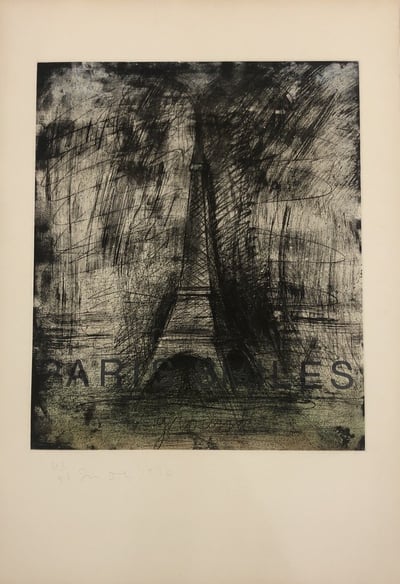
Jim Dine
Paris Smiles in Darkness, 1976
Limited Edition Print
Etching
EUR 4,500

Robert Indiana
Black Diamond, 1997
Limited Edition Print
Serigraph
USD 2,100

Jim Dine
Dutch hearts, 1970
Limited Edition Print
Mixed Media
EUR 1,875

Otto Piene
Addis Abeba, 1972
Limited Edition Print
Silkscreen
EUR 19,500

Red Grooms
Picasso Goes to Heaven on a Swing II, 1973-76
Limited Edition Print
Etching
Inquire For Price

Jim Dine
Tool Box V, 1966
Limited Edition Print
Screen-print
USD 1,350

Jim Dine
Tool Box VII, 1966
Limited Edition Print
Screen-print
USD 1,350

Robert Indiana
Number Eight, 1997
Limited Edition Print
Serigraph
Inquire For Price

Hermann Nitsch
Domus Jani (10), 1991
Limited Edition Print
Mixed Media
EUR 22,950

Jim Dine
Untitled from Pinocchio Suite (wolf and a cat), 2005
Limited Edition Print
Lithograph
Inquire For Price

Robert Indiana
Winter (Four Seasons of Hope), 2012
Limited Edition Print
Screen-print
USD 6,400

Robert Rauschenberg
Best Buddies, 1992
Limited Edition Print
Screen-print
USD 3,060

Claes Oldenburg
Picasso Cufflink, 1974
Limited Edition Print
Lithograph
USD 4,250

Sigmar Polke
Untitled (Columbus In Search of a New Tomorrow), 1992
Limited Edition Print
Silkscreen
Inquire For Price

Claes Oldenburg
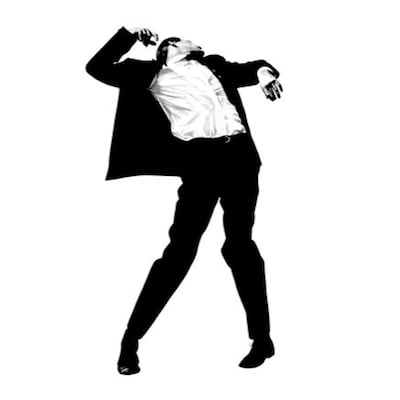
Striding Figure, 1971
Limited Edition Print
Screen-print
USD 1,400
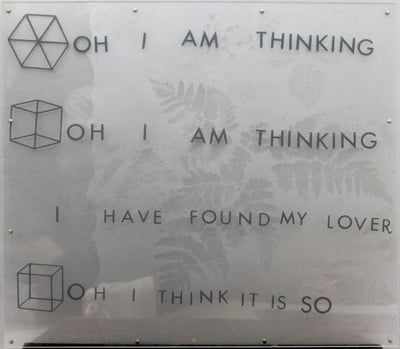
Robert Rauschenberg
Opal Gospel Panel II, 1971
Limited Edition Print
Screen-print
USD 1,650
Related Articles
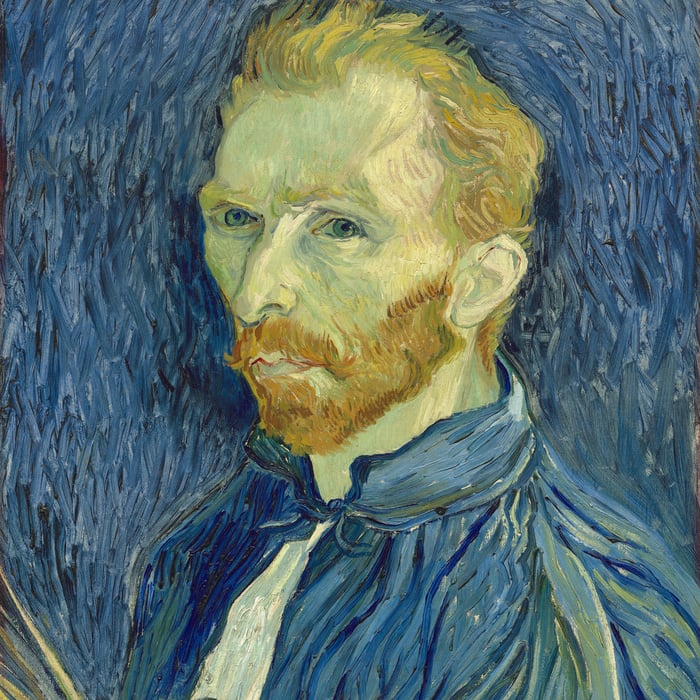

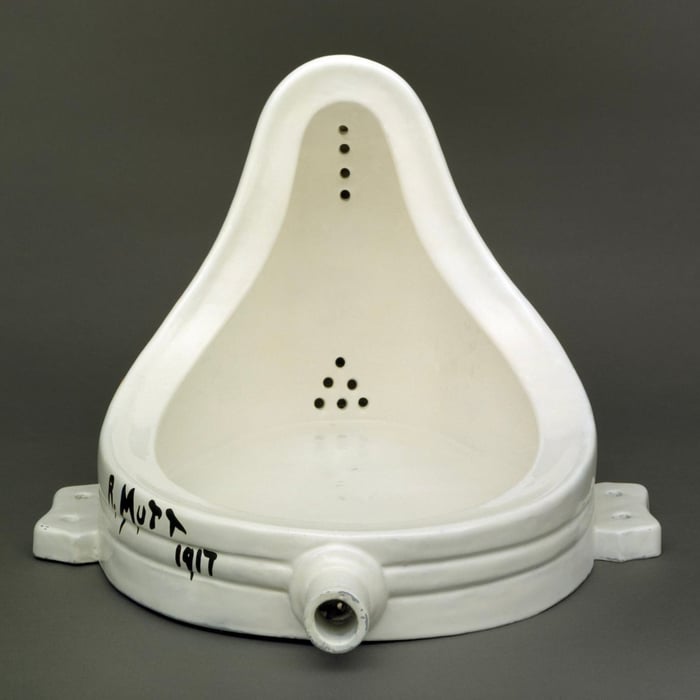
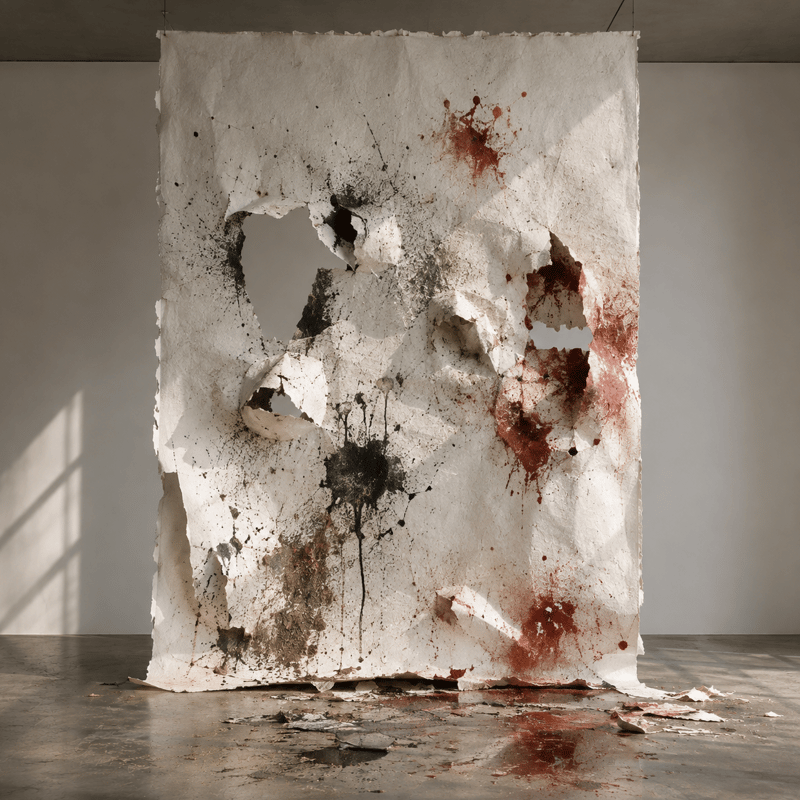
Gutai was a group of Japanese radical artists who formed the Gutai Art Association in 1954. The word Gutai translates to embodiment. The group was known for creating art on the spot for live audiences, often incorporating their own physical movements. Their performances included actions like throwing paint, piercing paper, and rolling in mud, emphasizing the direct interaction between the body and the material.

Animation is the process of displaying a sequence of static images in rapid succession to create the illusion of movement. Each image, or frame, is slightly altered from the previous one, particularly in the moving parts, so when shown together, they form a continuous motion. Traditionally, illustrators drew each frame by hand to produce this effect.
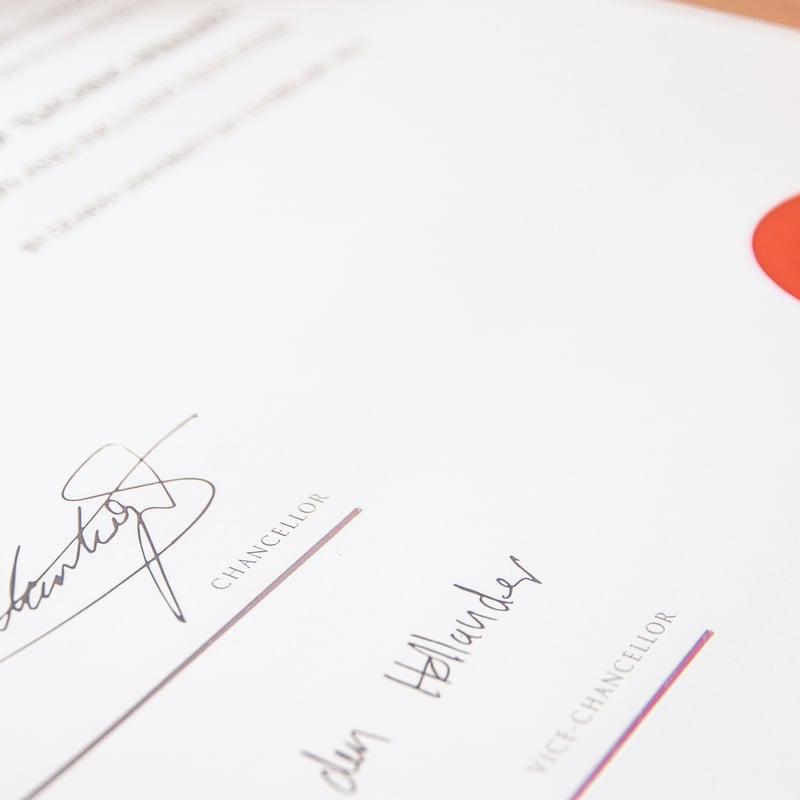
Authenticity refers to the qualities that define an original artwork as genuine, created by the artist under the original circumstances. A reproduction lacks authenticity because it was not made by the original artist and does not share the same context or creation process. The authenticity of an original artwork can be questioned when reproductions exist, which can diminish its value. Authenticity is often established through provenance, expert analysis, and documentation, ensuring the artwork's originality.
Can't find your Answer?
Thank you! Your question has been sent — we'll get back to you shortly.
