

What is photorealism?
- Show All
- Established
- Discoveries
- Show All
Artworks Related to Photorealism

Robert Cottingham
Switzerland Everybody´s bookshop, 1975
Limited Edition Print
Lithograph
EUR 1,200

Wilhelm Sasnal
Damned Youth, 2011
Limited Edition Print
Linocut
Currently Not Available

Robert Cottingham
Union Pacific Railraod, 1987
Painting
Mixed Media
USD 30,000

Robert Cottingham
Reading Lines, 1987
Painting
Mixed Media
USD 25,000

Robert Cottingham
B & O, 1987
Painting
Mixed Media
USD 25,000

Robert Cottingham
PRR Railroad, 1987
Painting
Mixed Media
USD 25,000
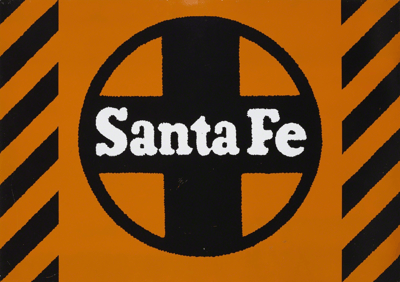
Robert Cottingham
Santa Fe, 1987
Painting
Mixed Media
USD 35,000

Robert Cottingham
Barber Shop, 1989
Limited Edition Print
Lithograph
USD 6,500

Richard Estes
East River, New York, 1989
Limited Edition Print
Serigraph
Currently Not Available

Robert Longo
Untitled (Tree), 2018
Limited Edition Print
Digital Print on paper
USD 13,350

Vija Celmins
Spider-web, 2009
Limited Edition Print
Screen-print
USD 6,500

Lucien Clergue
Picasso En La playa, 1965
Photography
Photograph
EUR 3,125

Lucien Clergue
Picasso
Photography
Photograph
EUR 3,125

Lucien Clergue
Picasso con un cigarro, 1956
Photography
Photograph
EUR 3,125
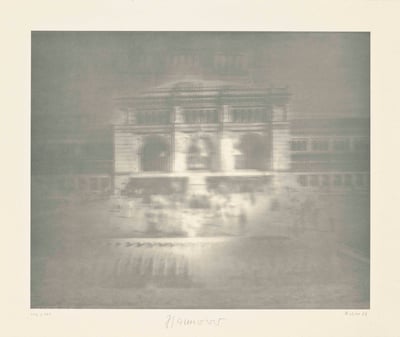
Gerhard Richter
Bahnhof (Hannover), 1967
Limited Edition Print
Lithograph
EUR 21,330

Karin Kneffel
Trauben
Limited Edition Print
Etching
Currently Not Available
Related Articles
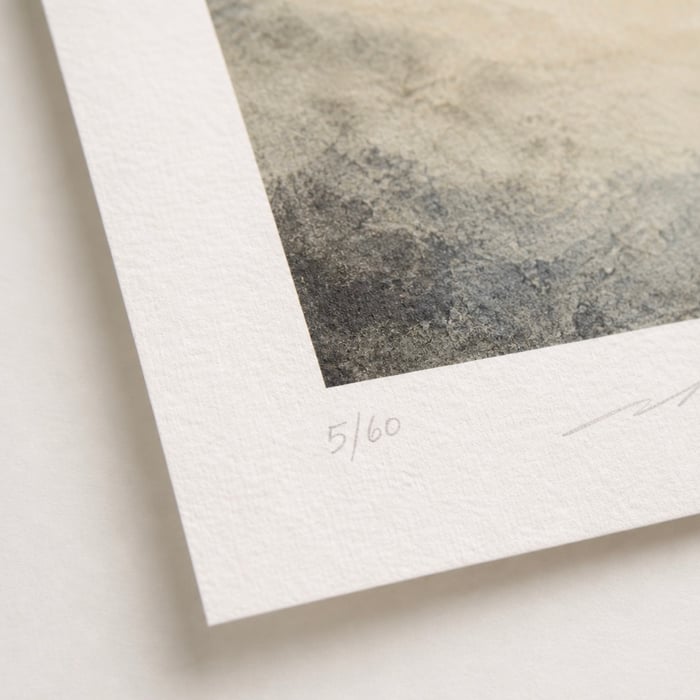
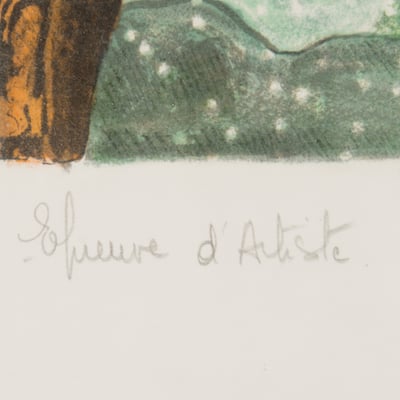
Épreuve d'Artist refers to the artist's proofs in a limited edition of prints. These are a small number of prints reserved by the artist for personal use and are typically marked with the abbreviation E.A. (épreuve d'artist) or AP (artist's proof). Artist’s proofs are usually identical to the regular edition but are often considered more valuable due to their limited quantity.

A C-type print, also known as a chromogenic print, is a photographic print made from a color negative or slide. The print is created on chromogenic paper, which contains three emulsion layers, each sensitized to a different primary color. After exposure, the paper is processed in a series of chemical baths, where each layer reacts to the chemicals to produce the final image. C-type prints are known for their rich color depth and are widely used in fine art and commercial photography.

Etching and aquatint are printmaking techniques. In aquatint, the printing plate is etched with a pattern of tiny pits and cracks to create a wide range of tonal gradations. This technique allows artists to replicate the broad, flat tones found in watercolor paintings and ink washes.
Can't find your Answer?
Thank you! Your question has been sent — we'll get back to you shortly.
