

What is pop-art?
- Show All
- Established
- Discoveries
- Show All
Artworks Related to Pop art

KAWS
Small Lies, 2017
Sculpture / Object
Mixed Media
EUR 2,400

Ugo Rondinone
Into the light, 2002
Limited Edition Print
Mixed Media
EUR 3,600

Takashi Murakami
Melting DOB (A), 2008
Limited Edition Print
Offset Print
EUR 3,000
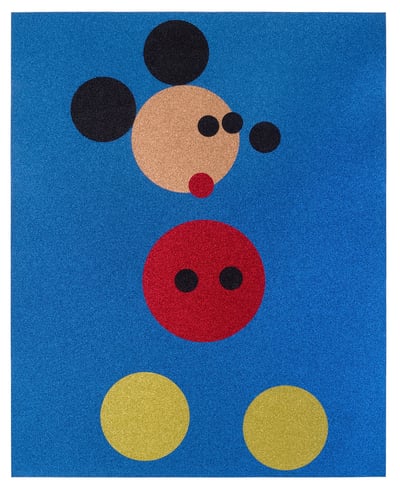
Damien Hirst
Large Mickey - Blue Glitter, 2016
Limited Edition Print
Screen-print
GBP 65,000 - 84,500
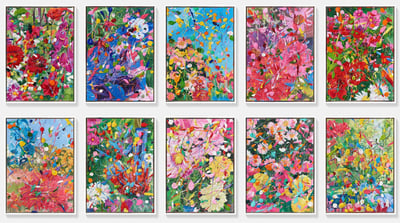
Damien Hirst
Large Hidden Gardens Oil Painting, 2023
Painting
Oil on canvas
GBP 75,000 - 97,500
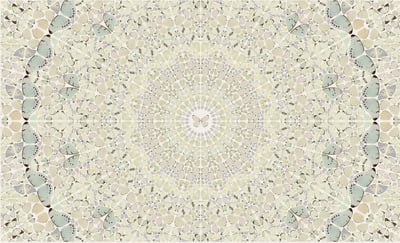
Damien Hirst
Intricacy from the Kaleidoscopes, H18-5, 2024
Limited Edition Print
Mixed Media
GBP 15,500 - 20,150

Daniel Arsham
Tropical Cave of Zeus, 2021
Limited Edition Print
Mixed Media
GBP 5,500 - 7,100

Daniel Arsham
Memory Waterfall, 2025
Limited Edition Print
Digital Print on paper
GBP 3,500 - 4,500

Robert Indiana
Collection of 6 Hand-Woven Love Tapestries, 2006
Tapestry
Mixed Media
GBP 3,360

Damien Hirst
Inferno, 2016
Limited Edition Print
Mixed Media
GBP 12,500 - 16,250

Andy Warhol
American Indian (Black), 1976
Limited Edition Print
Offset Print
USD 2,400

Damien Hirst
Harlequin from The Kaleidoscopes H18-1, 2024
Painting
Giclée printing
GBP 11,900 - 15,000

Claes Oldenburg
Proposal for a Colossal Structure in the Form of a Clothespin-Compared to Brancusi's Kiss, 1972
Limited Edition Print
Screen-print
Inquire For Price

Robert Cottingham
L (from An American Alphabet), 2005
Limited Edition Print
Lithograph
Inquire For Price

Damien Hirst
H12-4 Beautiful, Remarkably Amusing, Utterly Fascinating Painting, 2023
Painting
Mixed Media
GBP 3,000

Jim Dine
Nine Views of Winter 2, 1985
Limited Edition Print
Woodcut
USD 5,000
Related Articles


Earth art, also known as Land Art, emerged in the 1960s and 70s as part of the conceptual art movement. It involves creating artworks by sculpting the land or constructing structures in the landscape using natural materials like earth, rocks, or twigs. These works are often large-scale and emphasize the relationship between art and nature.

This Italian art movement includes artists from Italy, Belgium, and France who are known for creating public installations using recyclable plastic to craft massive animal sculptures. The artwork explores the rupture between the synthetic and natural worlds, with the plastic construction symbolizing the synthetic, and the animal forms representing the natural world.

Transavanguardia is the Italian version of Neo-Expressionism, referring to an art movement that emerged in Italy and other parts of Western Europe during the 1970s and 1980s. The term translates to beyond the avant-garde. Transavanguardia arose as a reaction against the dominance of conceptual art, reintroducing emotion and reviving painting as a primary medium. The movement marked a return to mythic imagery and figurative art, celebrating a rediscovery of traditional forms and themes in a contemporary context.
Can't find your Answer?
Thank you! Your question has been sent — we'll get back to you shortly.
