

What is pop-art?
- Show All
- Established
- Discoveries
- Show All
Artworks Related to Pop art
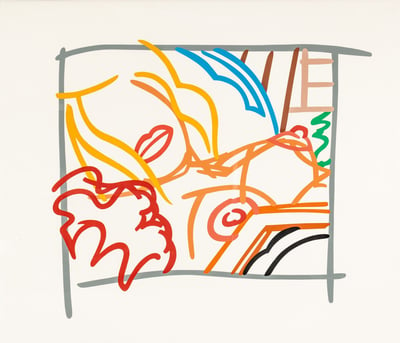
Tom Wesselmann
Bedroom Blonde Doodle with Photo, 1988
Limited Edition Print
Screen-print
USD 13,500
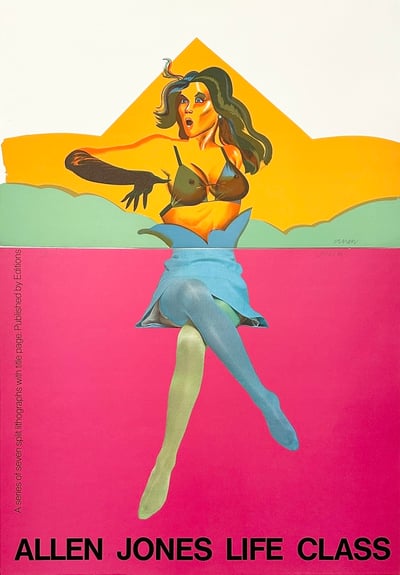
Allen Jones
Life Class, Title page, 1968
Limited Edition Print
Lithograph
EUR 2,300
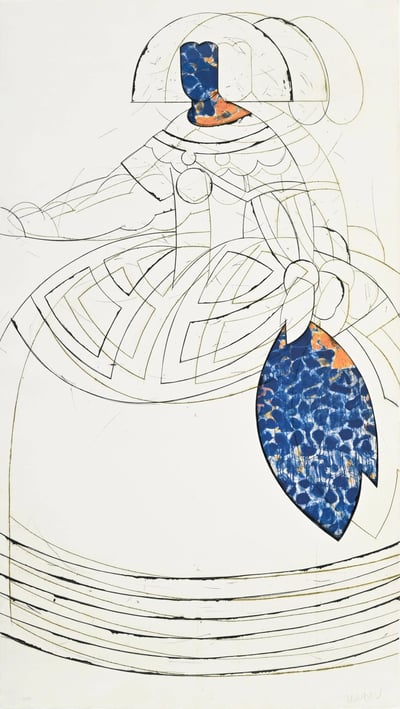
Manolo Valdés
Reina Mariana VIII, 2000
Limited Edition Print
Collage
EUR 22,350

David Hockney
Jamie McHale 1, 2008
Limited Edition Print
Inkjet print
Inquire For Price
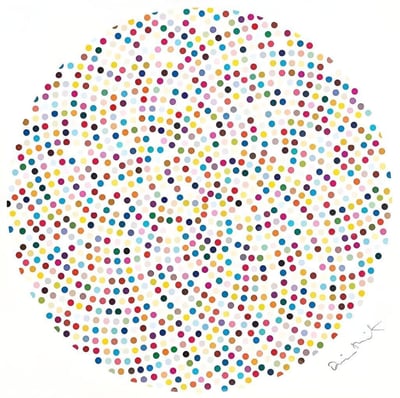
Damien Hirst
Valium, 2014
Limited Edition Print
Digital Print on paper
Inquire For Price

Andy Warhol
Campbell's Soup Can: Cream of Mushroom, 1968
Limited Edition Print
Screen-print
GBP 75,000 - 97,500
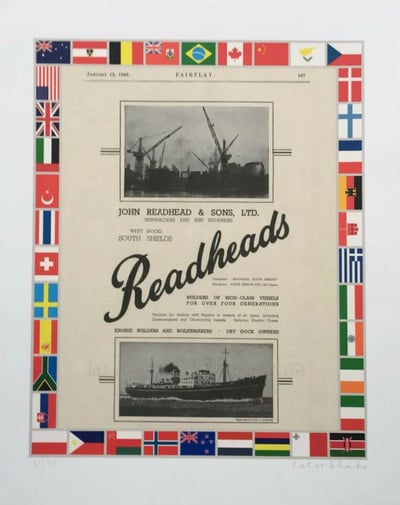
Peter Blake
Readheads (Great North Run), 2010
Limited Edition Print
Giclée printing
GBP 1,700
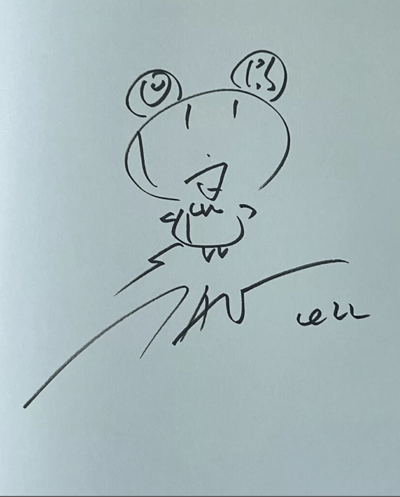
Takashi Murakami
Mr DOB, 2022
Drawing / Watercolor
Ink
GBP 15,000 - 19,500
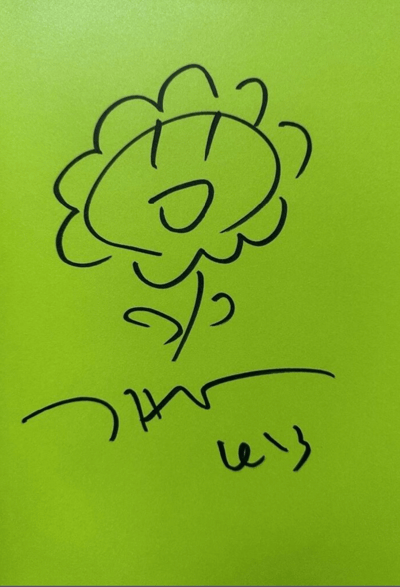
Takashi Murakami
Untitiled (Mr DOB), 2023
Drawing / Watercolor
Ink
GBP 17,500 - 22,700
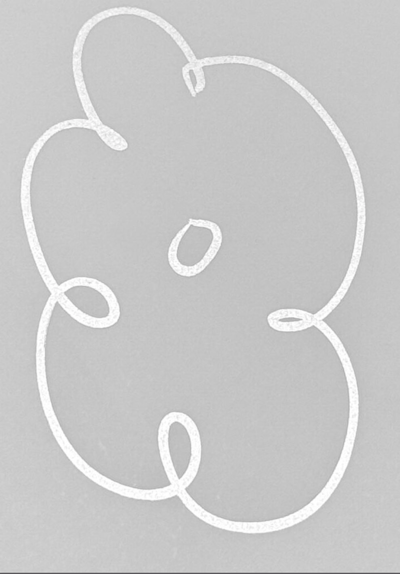
Jeff Koons
Untitled (flower), 1993
Drawing / Watercolor
Ink
GBP 35,000 - 45,000
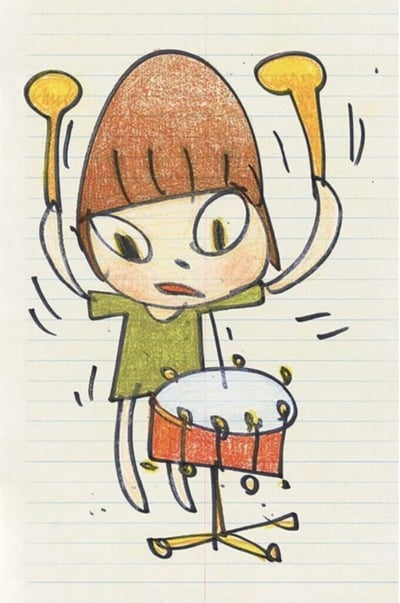
Yoshitomo Nara
Banging The Drum, 2020
Limited Edition Print
Offset Print
GBP 1,800
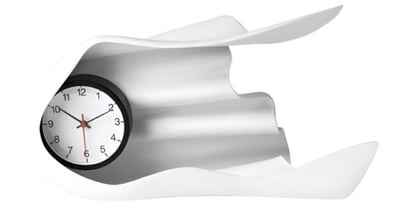
Daniel Arsham
Falling Clock, 2021
Sculpture / Object
Mixed Media
GBP 1,300

Damien Hirst
Veils Set of 4, 2020
Limited Edition Print
Giclée printing
Inquire For Price
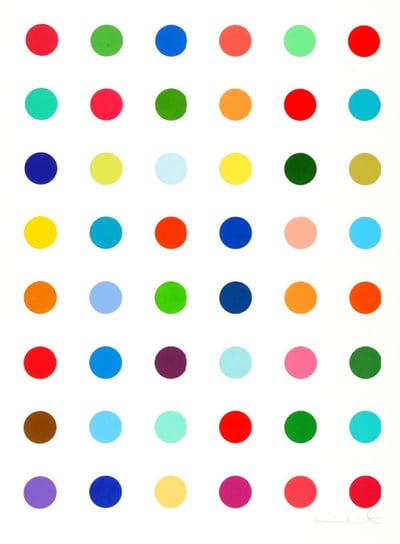
Damien Hirst
Oleoylsarcosine, 2008
Limited Edition Print
Etching
Inquire For Price
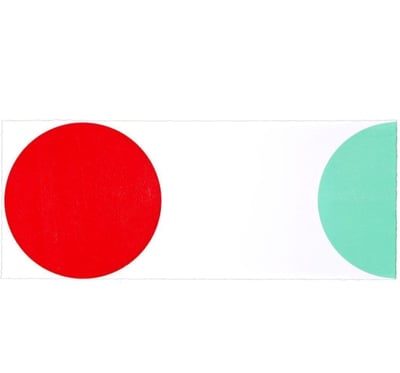
Damien Hirst
Picolinic Acid, 2011
Limited Edition Print
Woodcut
GBP 12,000 - 15,600
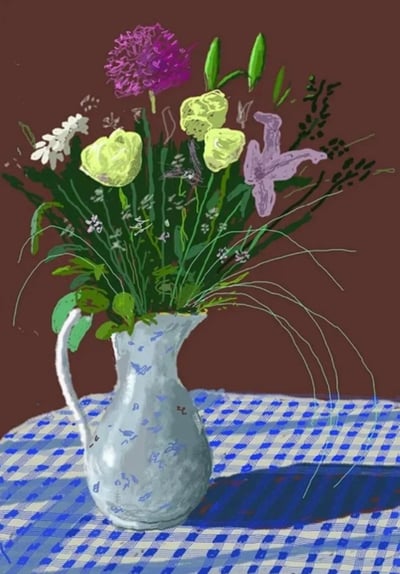
David Hockney
20th February 2021, Jug With Flowers, 2021
Limited Edition Print
Mixed Media
Inquire For Price
Related Articles


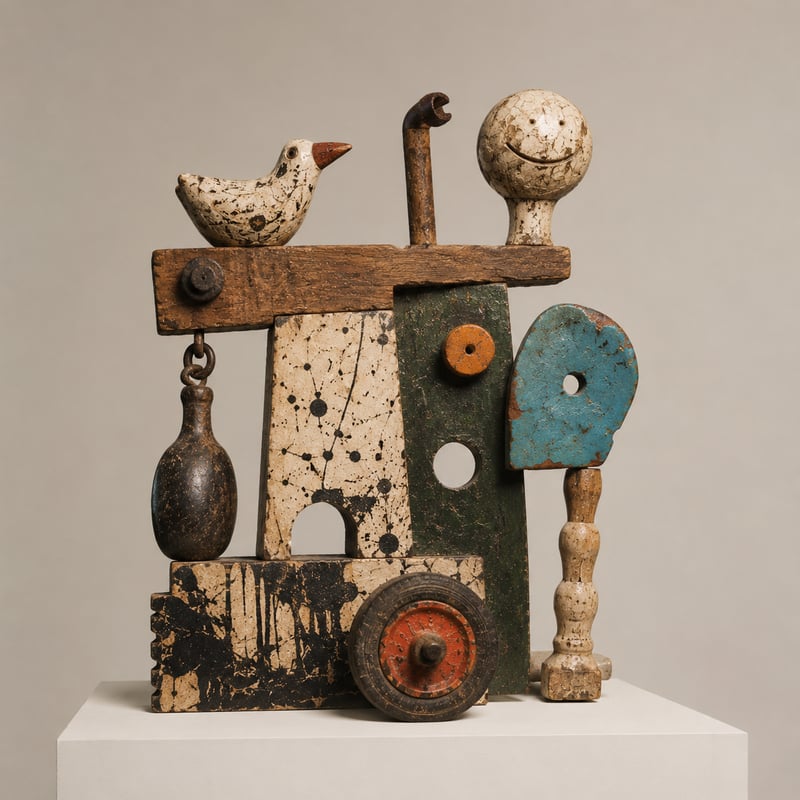
In the 1960s, Funk Art emerged as a reactive movement against Abstract Expressionism. It was widely known as an anti-establishment movement, with the name derived from the jazz term funky. This term carried both positive and negative connotations: in the jazz world, it described passion, quirkiness, and sensuality, but it could also refer to a foul odor. Funk Art was particularly popular in the California Bay Area. While the artists of the Funk Art era shared similar attitudes and styles, they did not see themselves as part of a formal group or movement.
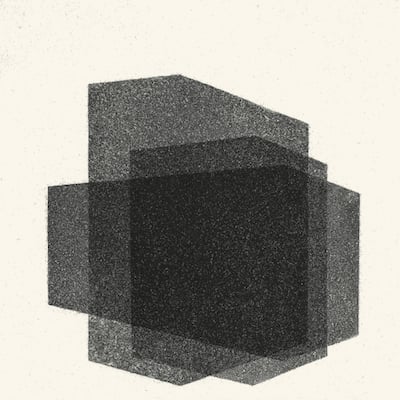
Intaglio is a printmaking technique where the artist creates marks on a metal plate that hold ink or dye. The inked plate is then pressed onto paper, transferring the ink to the sheet. This process can be repeated multiple times depending on the technique. Intaglio methods, such as etching, often involve applying a mordant (acid) to the metal plate to create the design. Intaglio encompasses various techniques, including engraving, etching, and drypoint.
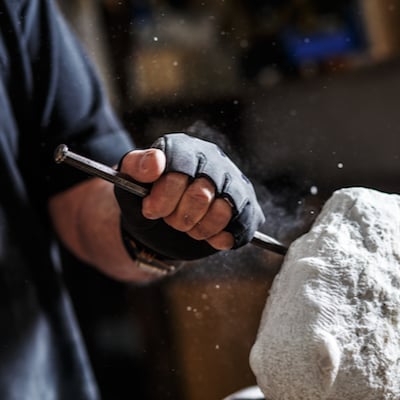
Marble is a rare and expensive metamorphic rock composed of recrystallized limestone. It has been used for centuries to create statues, decorative floors, and walls due to its translucency and durability. Marble is ideal for both free-standing statues and relief sculptures. When carving, the material is chiseled away in small increments to achieve the desired form.
Can't find your Answer?
Thank you! Your question has been sent — we'll get back to you shortly.
