

What is pop-art?
- Show All
- Established
- Discoveries
- Show All
Artworks Related to Pop art

David Hockney
23rd March 2021, Flowers in a Milk Bottle, 2021
Limited Edition Print
Mixed Media
GBP 120,000 - 140,000

David Hockney
4th February 2021, Flowers in a White Vase with Chair, 2021
Limited Edition Print
Mixed Media
Inquire For Price

Damien Hirst
Untitled - Scorpion, 2003
Drawing / Watercolor
Pen and ink
Inquire For Price

Damien Hirst
Untitled - grim reaper, 2003
Drawing / Watercolor
Mixed Media
Inquire For Price

Javier Calleja
Pop Top Planter and Flower Vase, 2021
Sculpture / Object
Ceramic
Inquire For Price
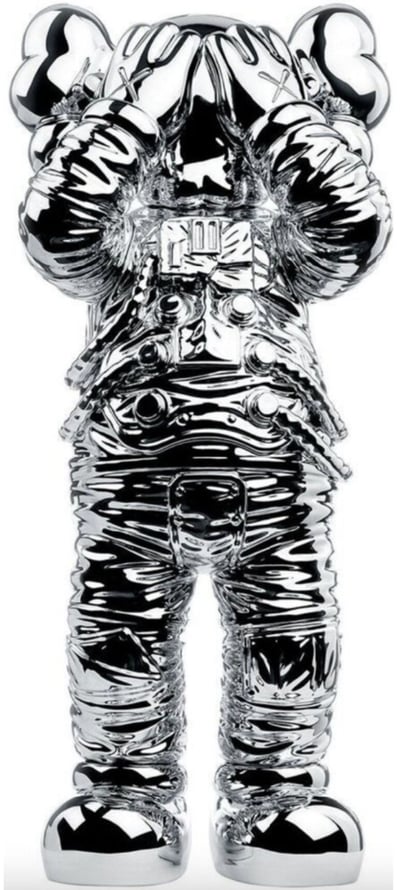
KAWS
Holiday Space: 11.5, 2020
Sculpture / Object
Mixed Media
GBP 3,500
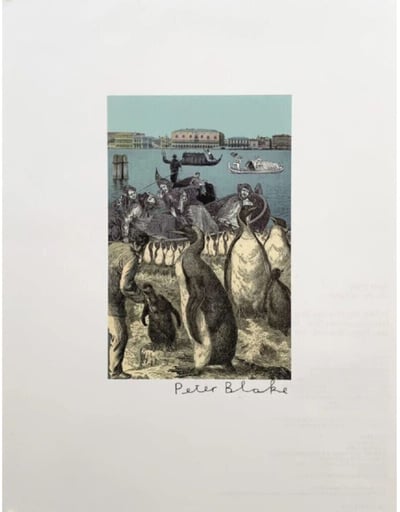
Peter Blake
Venice - Exhibition poster, 2009
Limited Edition Print
Screen-print
GBP 1,300
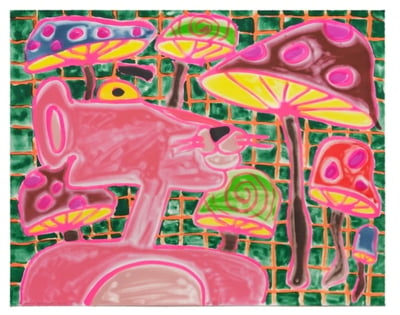
Katherine Bernhardt
Humid, 2024
Limited Edition Print
Lithograph
GBP 4,950 - 6,400
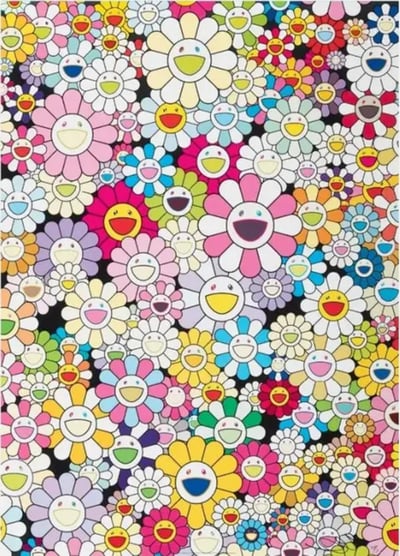
Takashi Murakami
Homage to Yves Klein, Multicolor A, 2012
Limited Edition Print
Offset Print
GBP 2,750 - 3,500
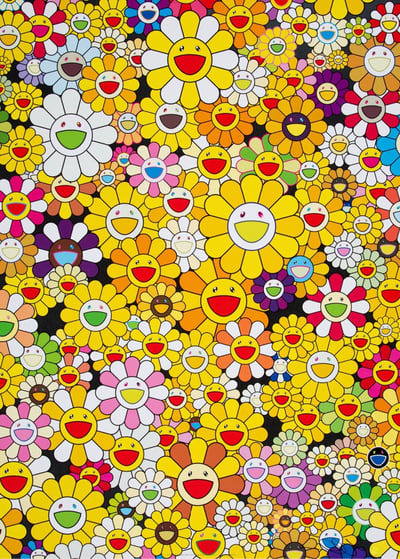
Takashi Murakami
An Homage to Monogold, 1960 A, 2012
Limited Edition Print
Offset Print
GBP 2,250 - 2,900
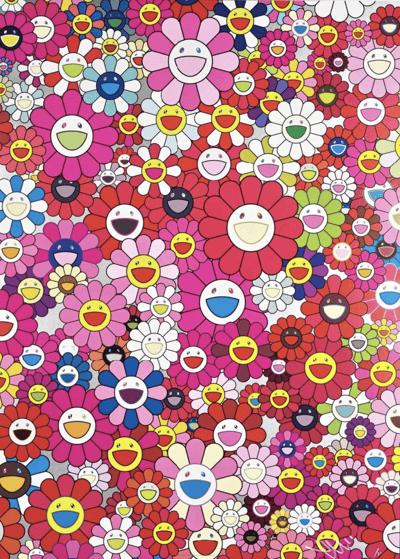
Takashi Murakami
Homage to Monopink, 1960 A, 2012
Limited Edition Print
Offset Print
GBP 2,250 - 2,900
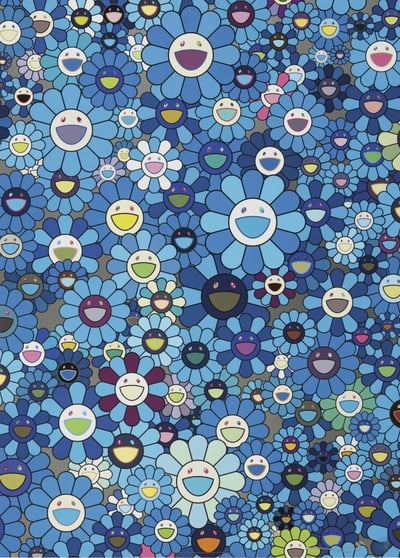
Takashi Murakami
An Homage to IKB, 1957 A, 2012
Limited Edition Print
Offset Print
GBP 2,500 - 3,200
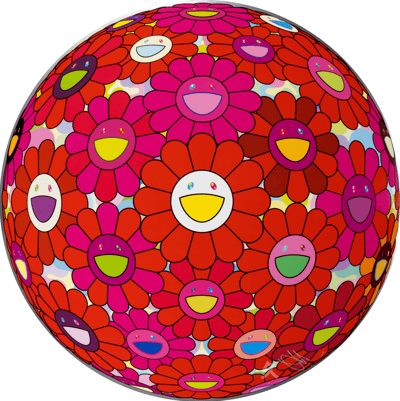
Takashi Murakami
Flowers of Gratitude, 2022
Limited Edition Print
Lithograph
GBP 1,800
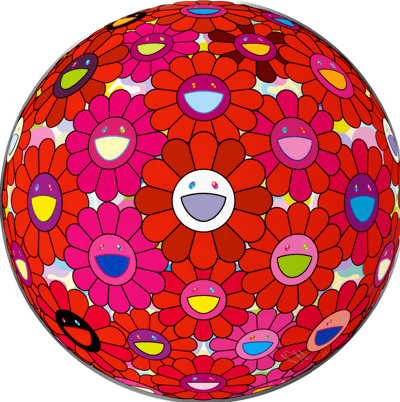
Takashi Murakami
Inside the Soul, 2022
Limited Edition Print
Offset Print
GBP 1,800
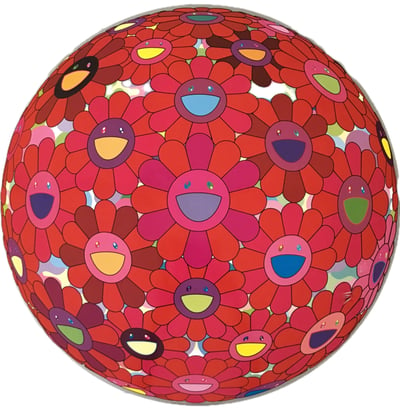
Takashi Murakami
Let Us Devote Our Hearts, 2022
Limited Edition Print
Offset Print
GBP 1,700
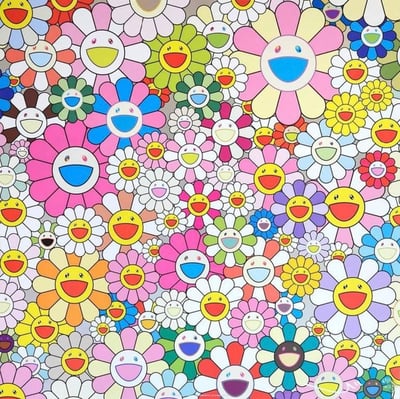
Takashi Murakami
Flower Smile, 2011
Limited Edition Print
Offset Print
GBP 3,000 - 4,000
Related Articles


A curator is a professional responsible for managing and overseeing a collection of art pieces or artifacts. Employed by a gallery or museum, curators use their expertise to acquire, develop, display, and care for the collection. They also organize exhibitions and ensure that the collection is accessible to the public.

Body art involves creating art directly on or with the human body. Common forms include body piercings and tattoos, but it also encompasses practices like branding, scarification, scalping, body painting, full-body tattoos, body shaping, and sub-dermal implants. Body art can also refer to a subcategory of performance art where the artist's body is central to the artwork.

Site-Specific Art is a form of artwork created to exist in a particular location, with the artist considering the site as an integral part of the creative process. Robert Irwin was a key figure in promoting this art form in California. Site-Specific Art emerged as a reaction against modernist objects, which were often portable, commodified, and confined to museum spaces. In contrast, Site-Specific Art is inherently tied to its location, challenging the traditional notions of art as a transportable and marketable commodity.
Can't find your Answer?
Thank you! Your question has been sent — we'll get back to you shortly.
