

What is pop-art?
- Show All
- Established
- Discoveries
- Show All
Artworks Related to Pop art
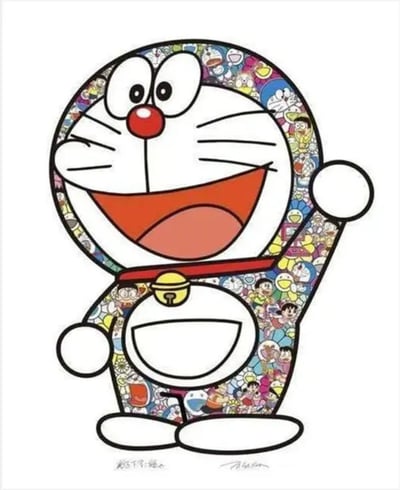
Takashi Murakami
Doraemon: Here We Go!, 2020
Limited Edition Print
Silkscreen
GBP 2,200 - 2,800
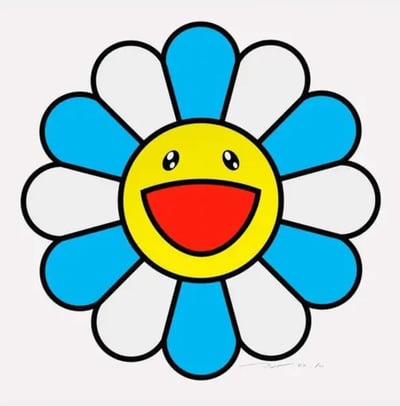
Takashi Murakami
Sea Breeze Chan, 2020
Limited Edition Print
Silkscreen
GBP 2,250 - 2,900
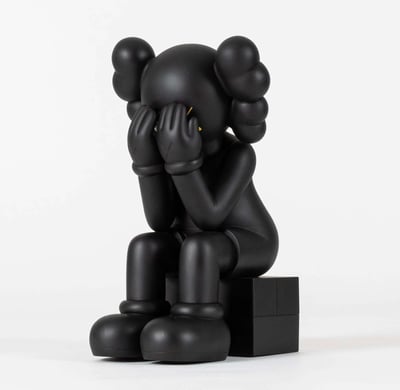
KAWS
Passing Through (Black), 2013
Sculpture / Object
Mixed Media
GBP 1,950
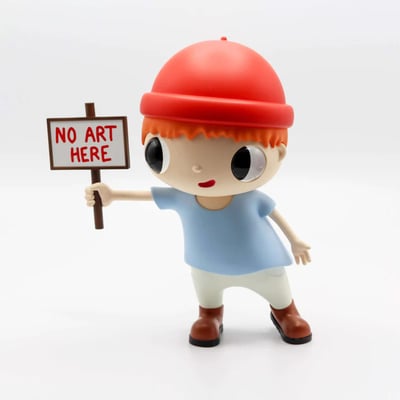
Javier Calleja
No Art Here, 2020
Sculpture / Object
Resin
GBP 1,300
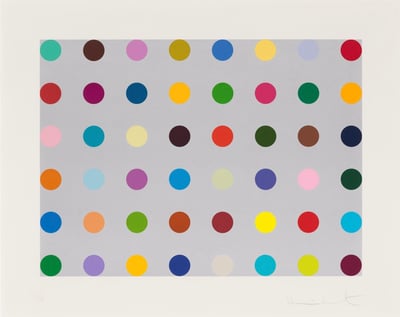
Damien Hirst
Histidyl, 2008
Limited Edition Print
Screen-print
GBP 14,000 - 18,000
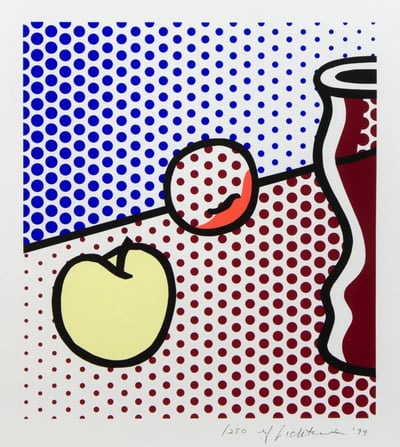
Roy Lichtenstein
Still Life with Red Jar, 1994
Limited Edition Print
Screen-print
GBP 18,500 - 24,000

Keith Haring
Untitled (Man on Dolphin), 1987
Limited Edition Print
Lithograph
GBP 45,000 - 55,000

Keith Haring
Untitled (Plate 4), from Fertility, 1983
Limited Edition Print
Screen-print
GBP 58,000 - 70,000
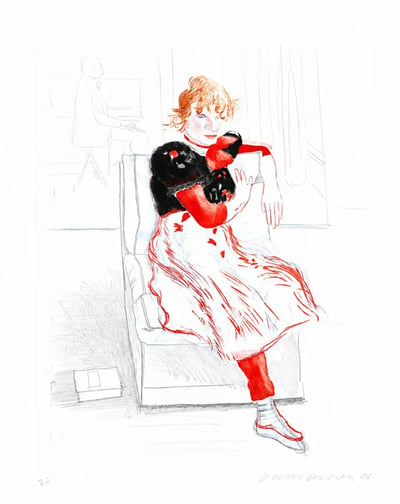
David Hockney
Celia Observing, 1976
Limited Edition Print
Etching and Aquatint
GBP 33,000 - 40,000
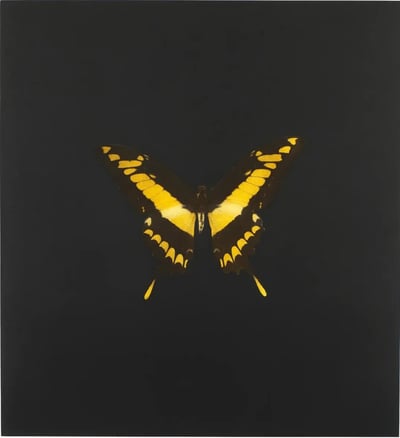
Damien Hirst
The Souls on Jacob’s Ladder Take Their Flight, 2007
Limited Edition Print
Etching
GBP 16,000 - 20,000

Andy Warhol
Flowers (F. & S. II.72), 1970
Limited Edition Print
Screen-print
GBP 78,000 - 100,000
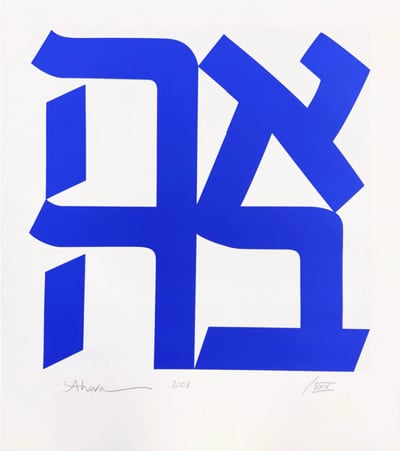
Robert Indiana
Ahava, 2008
Limited Edition Print
Screen-print
USD 3,150
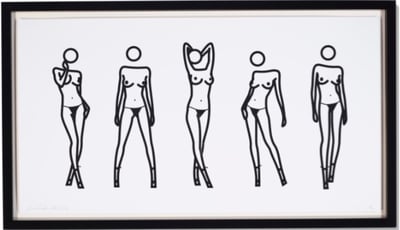
Julian Opie
Bijou Gets Undressed 7 (Cristea 56), 2004
Limited Edition Print
Screen-print
USD 11,000
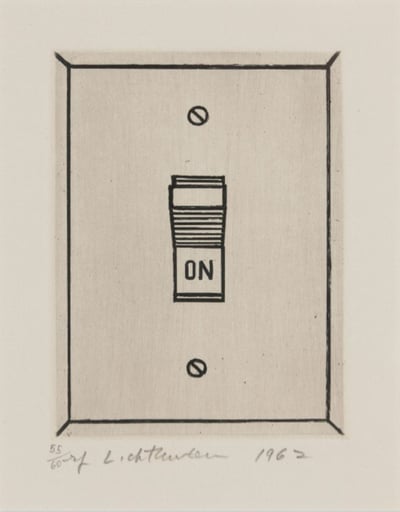
Roy Lichtenstein
On, 1962/64
Limited Edition Print
Etching
USD 25,225
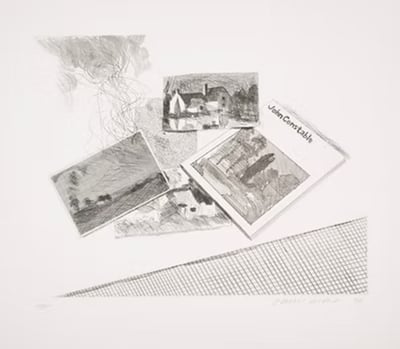
David Hockney
For John Constable, 1976
Limited Edition Print
Etching and Aquatint
GBP 9,500 - 12,300

David Hockney
16th February 2021, More Flowers In A Glass Vase, 2022
Limited Edition Print
Mixed Media
GBP 85,000 - 110,000
Related Articles


Appropriation in art involves using pre-existing images or objects with little or no modification. This technique has played a significant role across various art forms, including visual arts, music, performance, and literature. In visual arts, appropriation refers to the practice of adopting, sampling, recycling, or borrowing elements—or even entire forms—of existing visual culture, integrating them into new works to create meaning or critique.

A replica is a copy of an artwork that is so precisely made that it is nearly indistinguishable from the original. Artists may create replicas of their own work, or replicas can be produced for educational purposes, preservation, or display when the original cannot be shown. While replicas aim to closely mimic the original, they are usually identified as reproductions rather than original works.
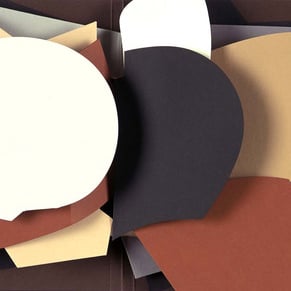
New Generation Sculpture was a movement started in the 1960s by a group of British artists. They experimented with unconventional forms, materials, and colors, creating sculptures that did not rely on traditional bases. Their work often featured plastic sheeting, fiberglass, and other industrial materials, which were fastened together and brightly painted.
Can't find your Answer?
Thank you! Your question has been sent — we'll get back to you shortly.
