

What is pop-art?
- Show All
- Established
- Discoveries
- Show All
Artworks Related to Pop art
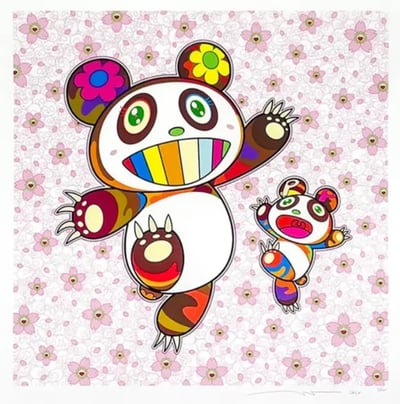
Takashi Murakami
Panda Mother and Baby in a Flurry of Cherry Blossom Petals, 2024
Limited Edition Print
Silkscreen
GBP 4,000 - 5,800
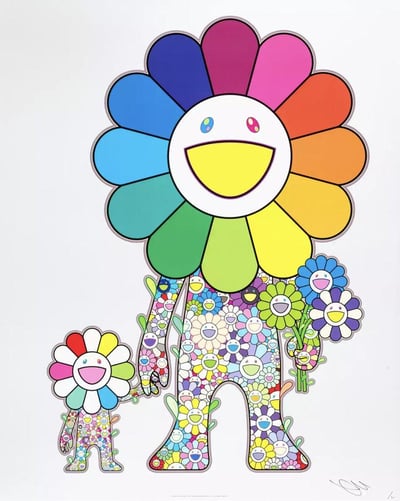
Takashi Murakami
Flower Parent and Child, 2021
Limited Edition Print
Offset Print
GBP 3,000 - 4,500
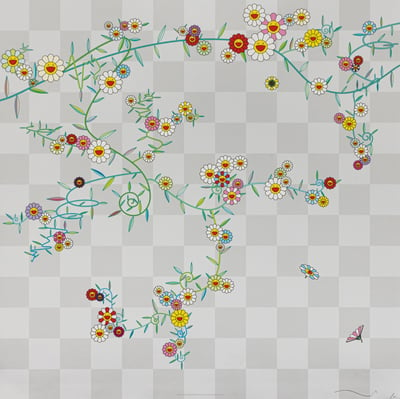
Takashi Murakami
CUBE 2, 2001
Limited Edition Print
Offset Print
GBP 1,950 - 2,500
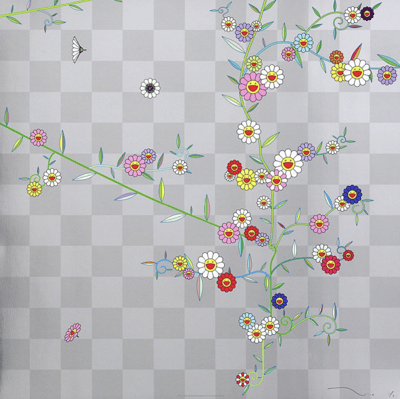
Takashi Murakami
Cosmos, 2000
Limited Edition Print
Offset Print
GBP 1,950 - 2,500
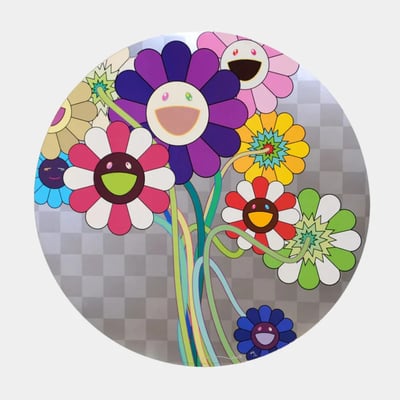
Takashi Murakami
Purple Flowers in a Bouquet, 2010
Limited Edition Print
Offset Print
GBP 1,950 - 2,500
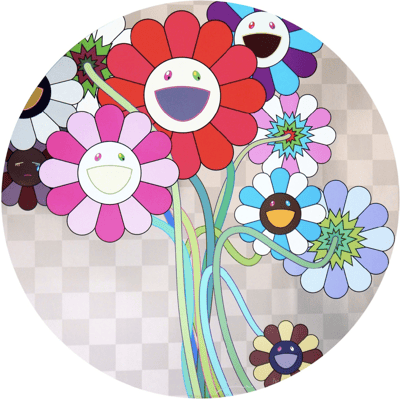
Takashi Murakami
Warhol/Silver, 2009
Limited Edition Print
Offset Print
GBP 2,340
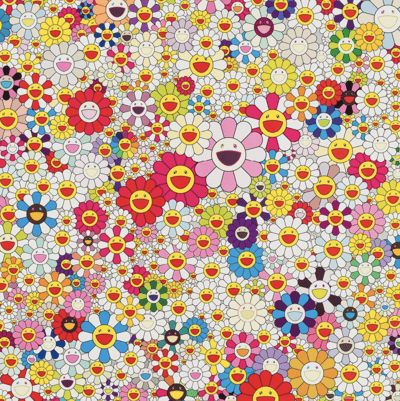
Takashi Murakami
Flowers in Heaven, 2010
Limited Edition Print
Offset Print
GBP 2,500 - 3,200
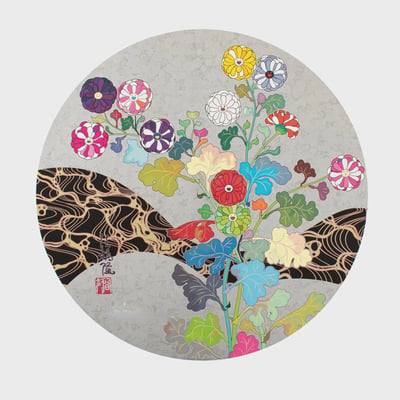
Takashi Murakami
Korin: The Land Beyond Death, Bathed in Light, 2022
Limited Edition Print
Offset Print
GBP 2,350
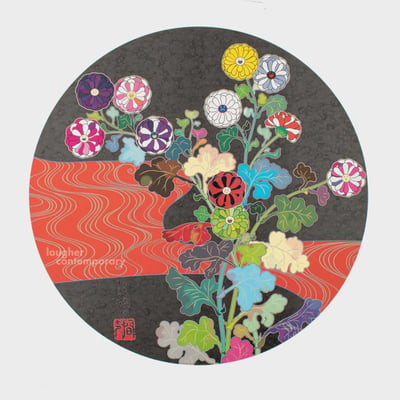
Takashi Murakami
Flowers Blooming in the Isle of the Dead, 2022
Limited Edition Print
Offset Print
GBP 1,950 - 2,500
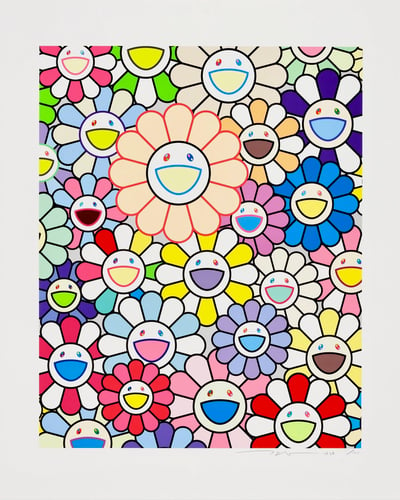
Takashi Murakami
Field of Flowers, 2020
Limited Edition Print
Archival Print
GBP 2,750 - 3,500
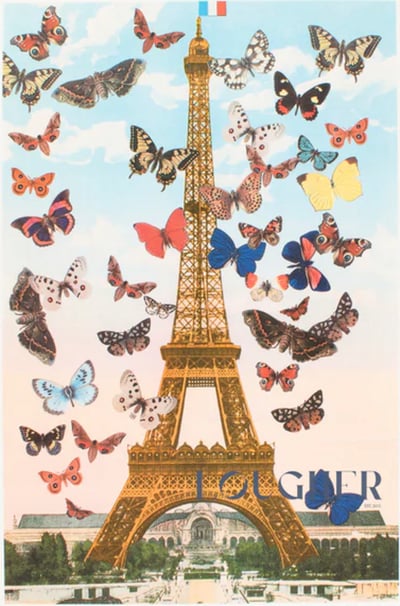
Peter Blake
Eiffel Tower (from the Paris suite), 2010
Limited Edition Print
Silkscreen
GBP 4,700
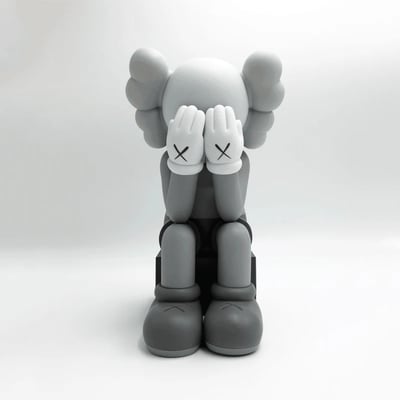
KAWS
Passing Through (Mono), 2013
Sculpture / Object
Mixed Media
GBP 1,950

KAWS
Lost Time, Alone Again, Far Far Down, 2018
Limited Edition Print
Screen-print
GBP 40,000 - 50,000
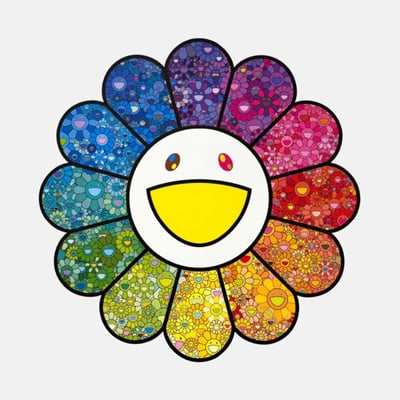
Takashi Murakami
Flower Sparkles!, 2024
Limited Edition Print
Offset Print
GBP 1,850
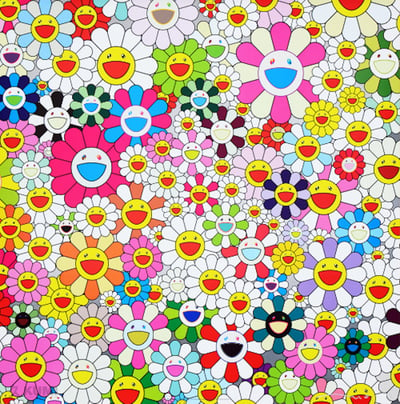
Takashi Murakami
Maiden in The Yellow Straw Hat, 2010
Limited Edition Print
Offset Print
GBP 2,750 - 3,500
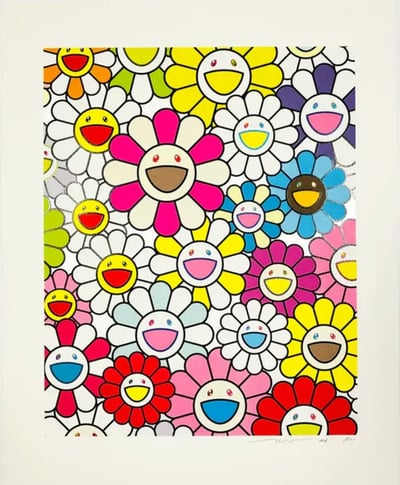
Takashi Murakami
A Little Flower Painting: Pink, Purple and Many Other Colours, 2018
Limited Edition Print
Silkscreen
GBP 3,250 - 4,200
Related Articles


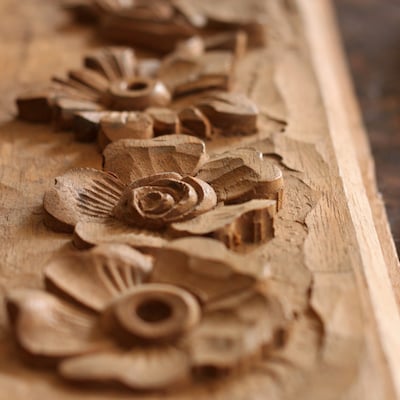
Wood is one of the most ancient and versatile materials used in creating art. It has served as a base for paintings, brush handles, pens, and pencils, as well as for easels, wood engraving, woodcut, woodblock printing, and sculpting. Various types of wood, such as oak, maple, and pine, are commonly used in these artistic applications.

Activist Art is a form of art created to address social and political issues. It often involves public engagement and works closely with communities to raise awareness or inspire change. While it can include elements of performance art, it is not limited to this form. Examples include creating and distributing social protest posters or organizing community-based art projects that highlight specific causes.

Textile refers to a flexible material made by weaving, felting, crocheting, knitting, or knotting long strands of natural or synthetic yarn or thread. Textile artists often create their own materials or use selected textiles in fabric art compositions, incorporating a wide range of textures and patterns.
Can't find your Answer?
Thank you! Your question has been sent — we'll get back to you shortly.
