

What is pop-art?
- Show All
- Established
- Discoveries
- Show All
Artworks Related to Pop art

Javacheff Christo
Puerta de Alcalá, Wrapped; Project for Madrid, 1981
Limited Edition Print
Lithograph
Currently Not Available
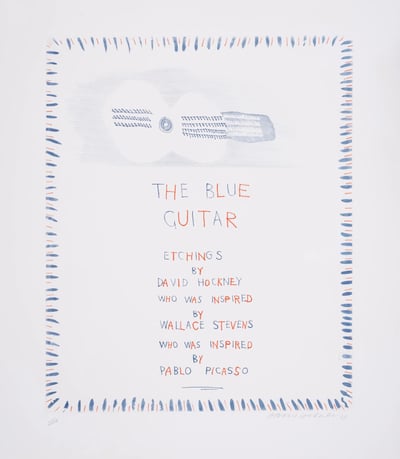
David Hockney
The Blue Guitar: title page, 1976-77
Limited Edition Print
Etching and Aquatint
USD 3,125

Man Ray
À l’heure de l’observatoire – Les amoureux, 1970
Limited Edition Print
Lithograph
EUR 38,500

Keith Haring
Poster for Nuclear Disarmament, 1982
Limited Edition Print
Offset Print
USD 11,000 - 15,000

Robert Rauschenberg
Publicon Station I, 1978
Sculpture / Object
Mixed Media
USD 30,000 - 45,000
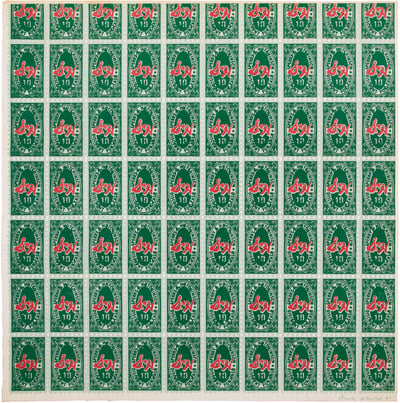
Andy Warhol
S & H Green Stamps, 1965
Limited Edition Print
Offset Print
USD 11,400
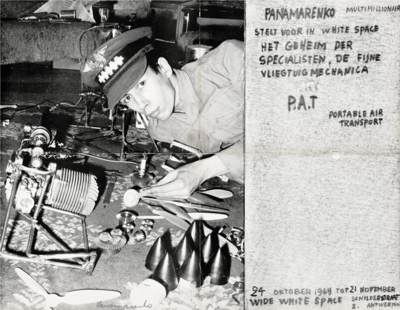
Panamarenko
Portable Air Transport, 1969
Limited Edition Print
Offset Print
EUR 3,300
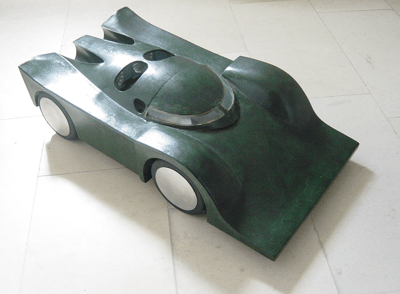
Panamarenko
Polistes, 1990
Sculpture / Object
Mixed Media
Inquire For Price
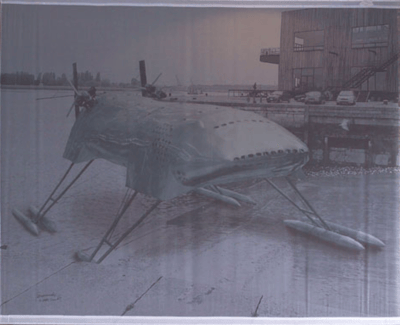
Panamarenko
Scotch Gambit at Rijnkaai, Antwerpen, 2001
Limited Edition Print
Monoprint
Inquire For Price
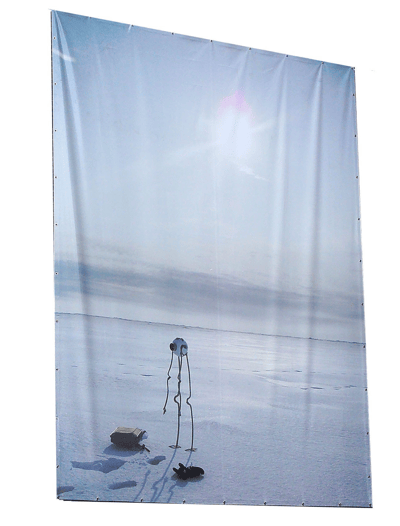
Panamarenko
Noordpool-Arlikoop, 2004
Limited Edition Print
Inkjet print
EUR 9,500
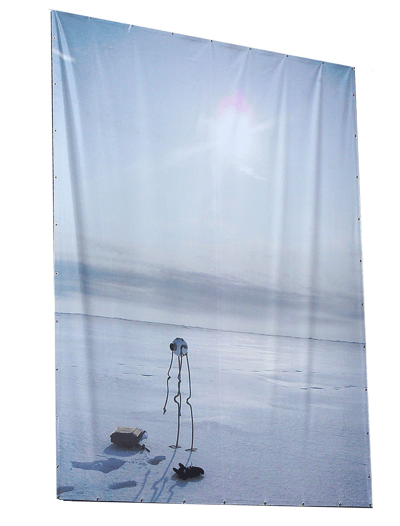
Panamarenko
Noordpool-Arlikoop, 2004
Limited Edition Print
Inkjet print
EUR 12,500

Roy Lichtenstein
Composition II, 1996
Limited Edition Print
Screen-print
USD 80,000 - 90,000

Ed Ruscha
Sin - Without, 2002
Limited Edition Print
Lithograph
USD 50,000 - 60,000

Andy Warhol
Tomato Soup, II.46 from Campbell's Soup I, 1968
Limited Edition Print
Screen-print
USD 150,000 - 170,000
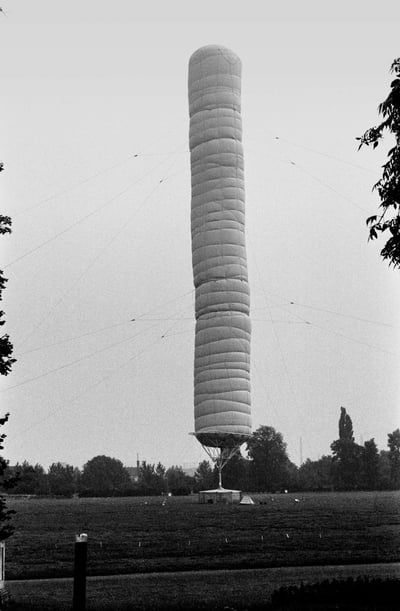
Javacheff Christo
Documenta Kassel KA-D68, 1968
Photography
Inkjet print
EUR 4,400
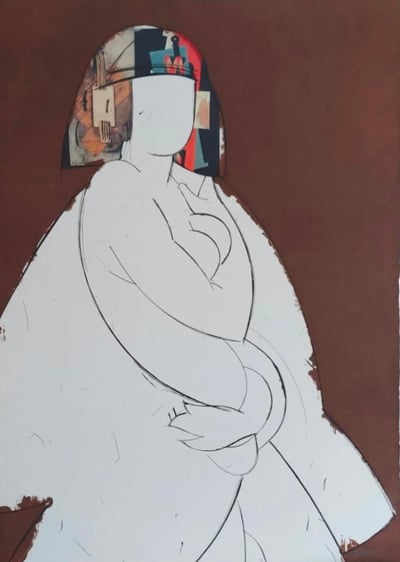
Manolo Valdés
Helene II, 2004
Limited Edition Print
Collage
EUR 9,600
Related Articles

Relief printing is a printmaking process where the design to be printed is etched or cut into a surface, leaving only the raised areas to transfer ink. The non-printing areas are removed, so only the design is inked and printed. Common relief printing techniques include woodcut, linocut, and wood engraving.

Wood is one of the most ancient and versatile materials used in creating art. It has served as a base for paintings, brush handles, pens, and pencils, as well as for easels, wood engraving, woodcut, woodblock printing, and sculpting. Various types of wood, such as oak, maple, and pine, are commonly used in these artistic applications.
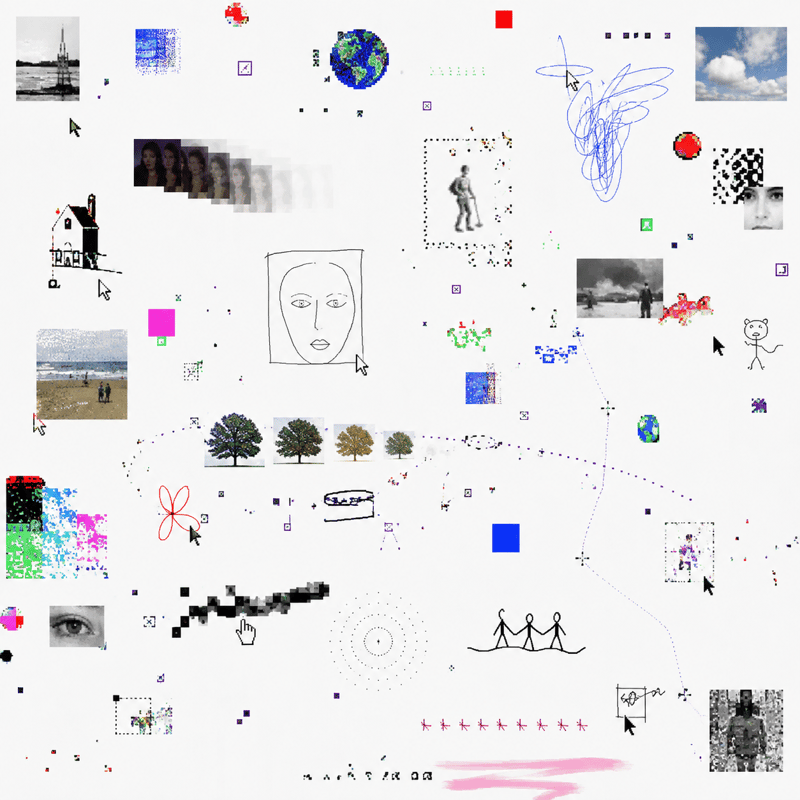
Net Art is art created on the internet, specifically for the internet. Artists who create it use computers to generate imagery, exhibit art online, or build programs that produce unique artworks. Since the 1990s, the movement has been considered subversive because it transcends geographic boundaries and defies traditional art norms, challenging conventional ideas of where and how art should be experienced.
Can't find your Answer?
Thank you! Your question has been sent — we'll get back to you shortly.
