

What is pop-art?
- Show All
- Established
- Discoveries
- Show All
Artworks Related to Pop art
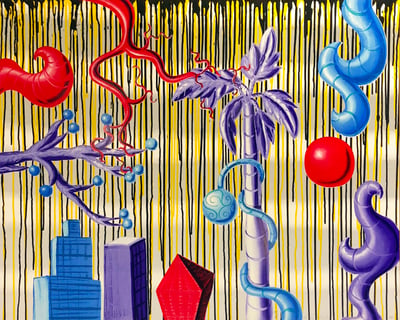
Kenny Scharf
Acid Rain, 1988
Limited Edition Print
Screen-print
USD 3,000
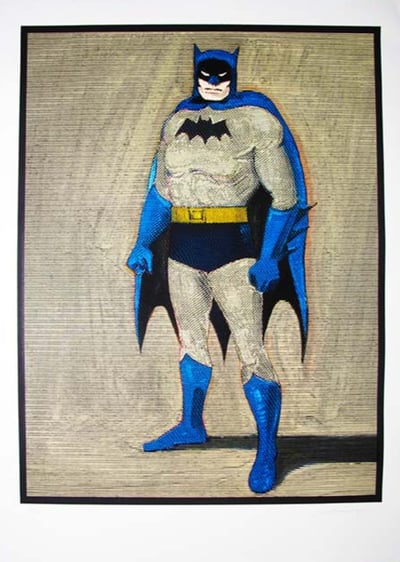
Mel Ramos
Batman, 2014
Limited Edition Print
Woodcut
USD 11,900

Takashi Murakami
And Then x 727 (Vermillion: SHU), 2013
Limited Edition Print
Lithograph
USD 2,950
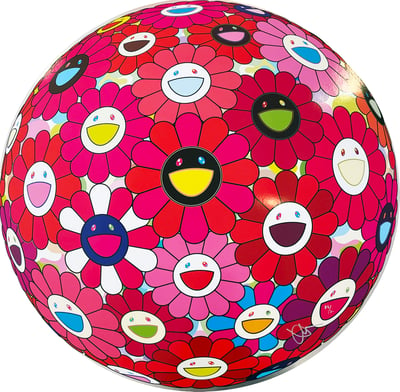
Takashi Murakami
Letters to Picasso, 2014
Limited Edition Print
Offset Print
USD 4,450
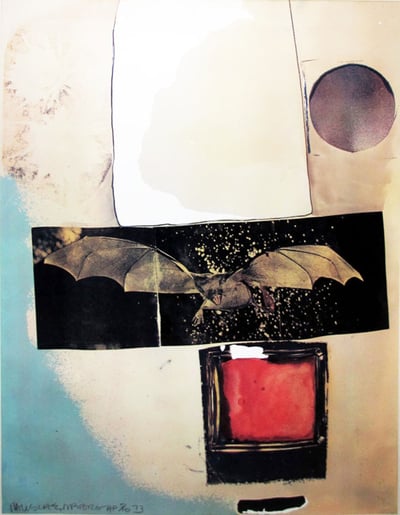
Robert Rauschenberg
Rays, 1973
Limited Edition Print
Lithograph
USD 9,950
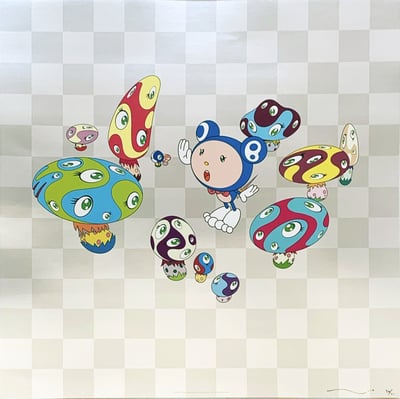
Takashi Murakami
!N CHA!, 1999
Limited Edition Print
Lithograph
USD 2,950
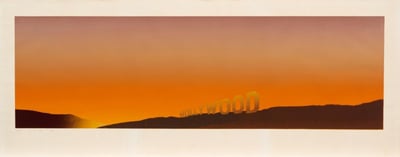
Ed Ruscha
Hollywood, 1968
Limited Edition Print
Screen-print
Currently Not Available
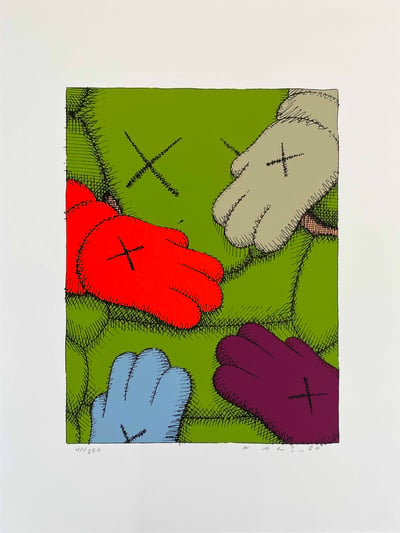
KAWS
Urge (9), 2020
Limited Edition Print
Silkscreen
USD 14,250
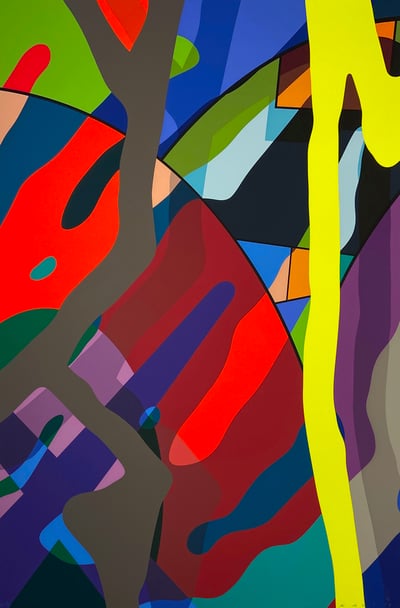
KAWS
Tension #2, 2019
Limited Edition Print
Serigraph
USD 15,300
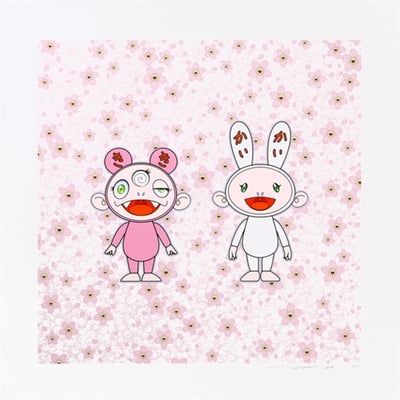
Takashi Murakami
Cherry Blossoms in Bloom, 2020
Limited Edition Print
Screen-print
USD 9,950
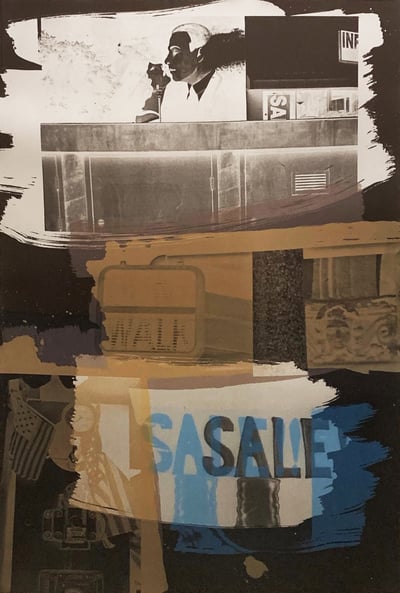
Robert Rauschenberg
Fence, 1992
Limited Edition Print
Lithograph
USD 9,250
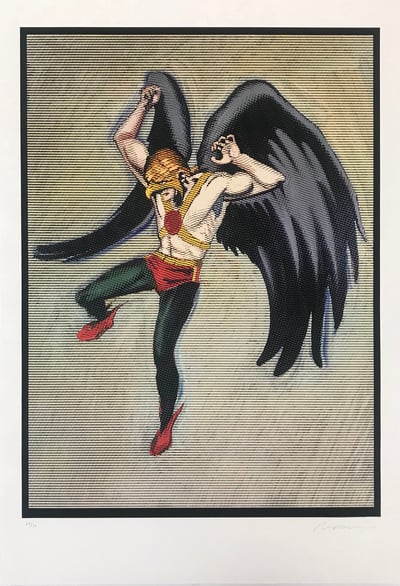
Mel Ramos
Hawkman, 2015
Limited Edition Print
Woodcut
USD 11,900
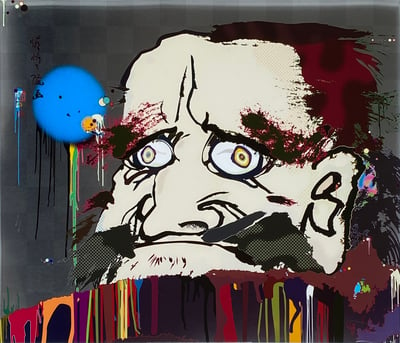
Takashi Murakami
Buddha - Road to Illumination
Limited Edition Print
Offset Print
USD 3,500
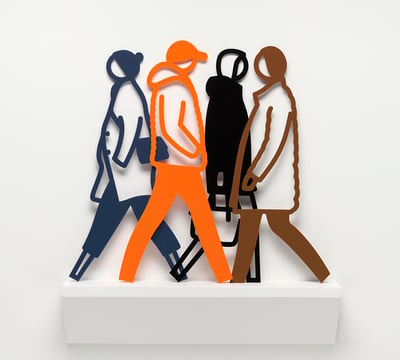
Julian Opie
Belgium (2), 2021
Sculpture / Object
Mixed Media
USD 17,750
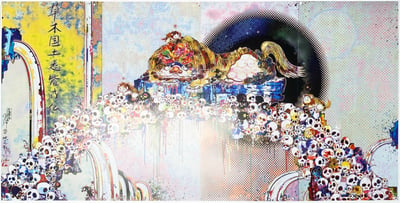
Takashi Murakami
As the Interdimensional Waves Run Through Me, I can distinguish Between the Voices of Angel and Devil, 2012
Limited Edition Print
Lithograph
USD 3,750

Roy Lichtenstein
Inaugural Print from the Inaugural Impressions portfolio, 1977
Limited Edition Print
Screen-print
USD 25,000 - 35,000
Related Articles

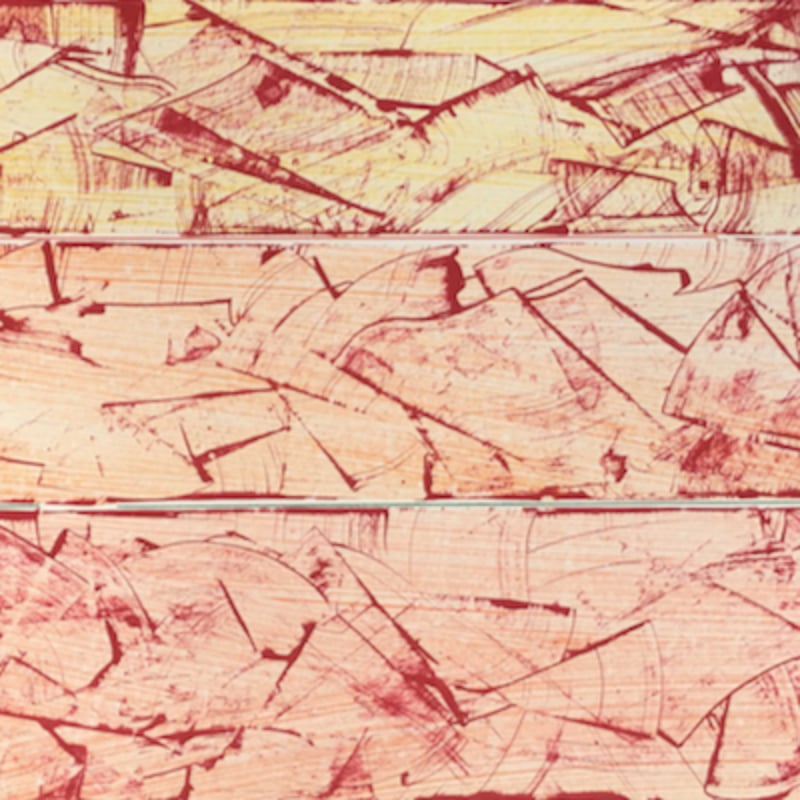
Systems Art refers to a group of artists who, during the late 1960s and early 1970s, used the frameworks of conceptualism and minimalism to create art that was responsive to its environment. Rejecting traditional art themes, they embraced aesthetic systems and experimented with diverse media. Systems Art often connected with contemporary political movements of the time, emphasizing the interrelationship between the artwork, its context, and the broader social and political environment.

Wax is a solid material derived from plant, animal, and petroleum sources. It is used to protect paints from wear, create sculptures, make wax crayons and colored pencils, and for encaustic painting. In encaustic painting, colored beeswax is shaped with special tools to create textured, raised surfaces.
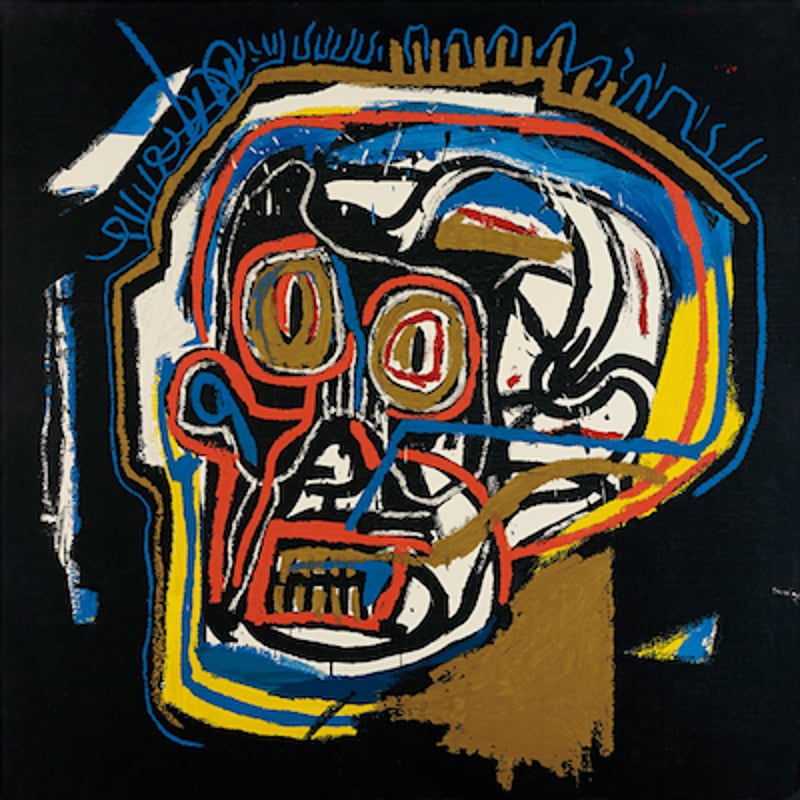
Street Art is artwork created and executed in public spaces, outside of traditional art venues. It gained popularity during the 1980s graffiti art boom and has since evolved into various forms and styles. Common forms of Street Art include pop-up art, sticker art, stencil graffiti, and street installations or sculptures. Terms like guerrilla art, neo-graffiti, post-graffiti, and urban art are often used interchangeably to describe this genre, which challenges conventional ideas about where and how art should be displayed.
Can't find your Answer?
Thank you! Your question has been sent — we'll get back to you shortly.
