

What is pop-art?
- Show All
- Established
- Discoveries
- Show All
Artworks Related to Pop art
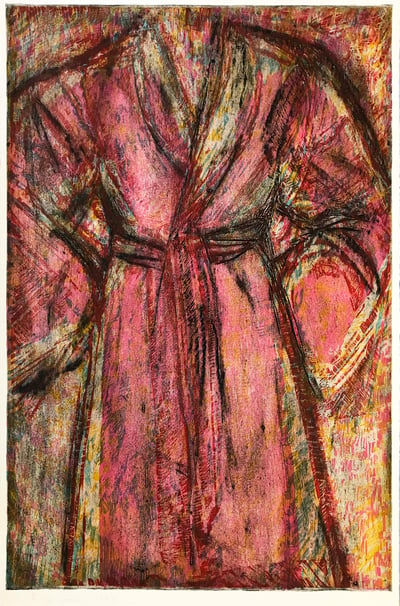
Jim Dine
Rosy Robe, 1998
Limited Edition Print
Woodcut
USD 20,700
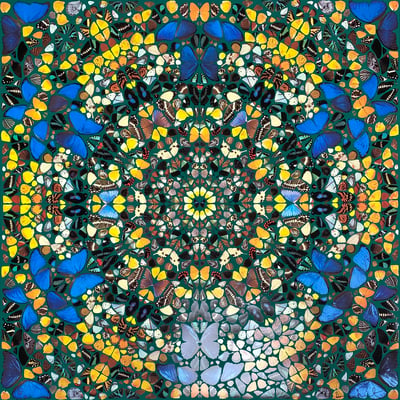
Damien Hirst
Cathedral (Non) D/D St Paul, 2007
Limited Edition Print
Screen-print
USD 30,000 - 40,000

Robert Indiana
President's Beloved Norma Jean, 2008
Limited Edition Print
Silkscreen
USD 3,200

Robert Indiana
The American Dream (One Indiana Square), 1996
Limited Edition Print
Silkscreen
USD 3,700
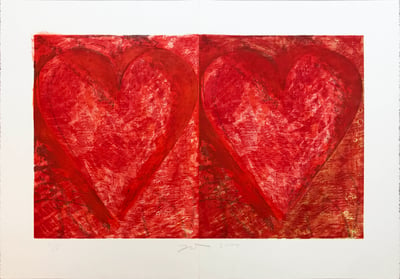
Jim Dine
Jam and Jelly, 2000
Limited Edition Print
Mixed Media
USD 16,500
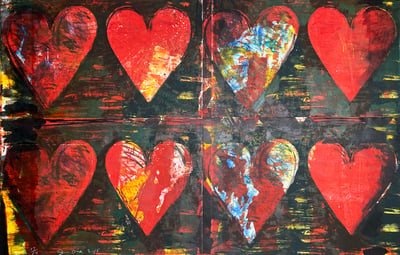
Jim Dine
Chartres - Second Version, 2015
Limited Edition Print
Mixed Media
USD 20,000 - 30,000
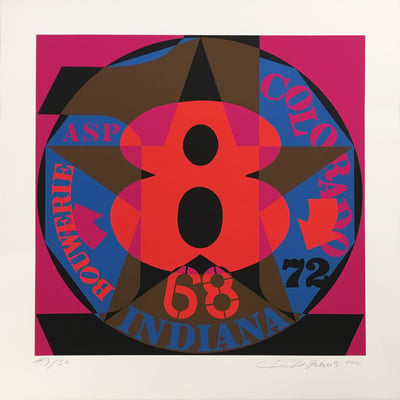
Robert Indiana
Decade Autoportrait '68, 2001
Limited Edition Print
Silkscreen
USD 5,500
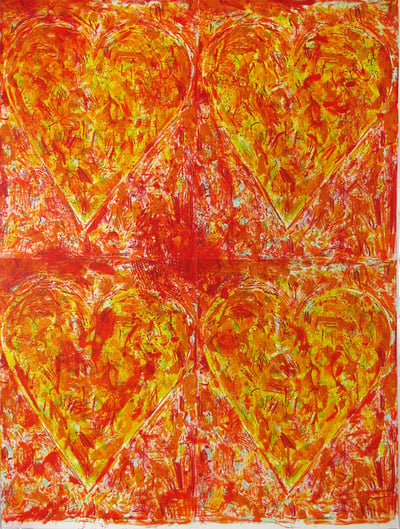
Jim Dine
The Red Patch, 2005
Limited Edition Print
Lithograph
USD 18,900
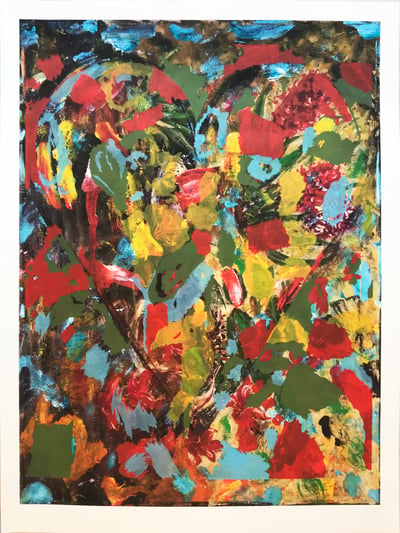
Jim Dine
The Big One, 2011
Limited Edition Print
Mixed Media
USD 21,000
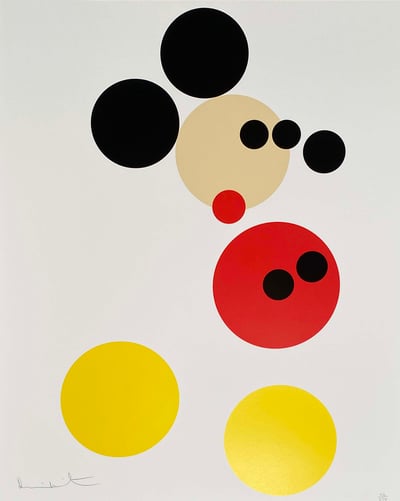
Damien Hirst
Spot Mickey, 2014
Limited Edition Print
Silkscreen
USD 40,000 - 50,000
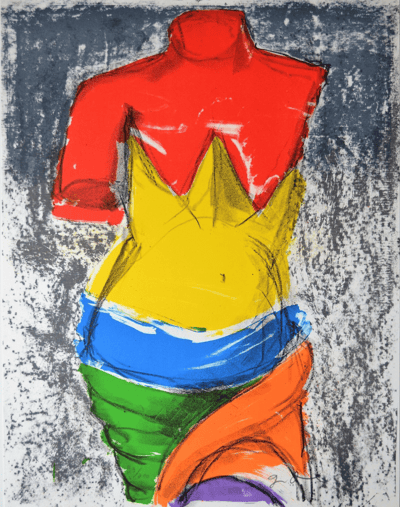
Jim Dine
The Bather, 2005
Limited Edition Print
Lithograph
USD 4,300
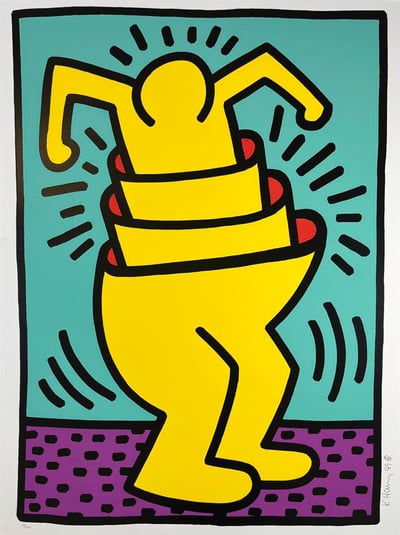
Keith Haring
Untitled (Cup Man), 1989
Limited Edition Print
Screen-print
USD 90,000 - 120,000
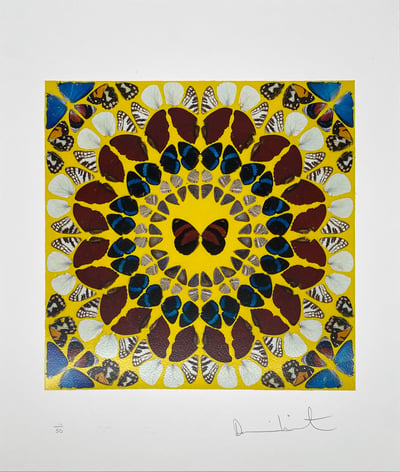
Damien Hirst
Miracle, 2015
Limited Edition Print
Giclée printing
USD 7,950
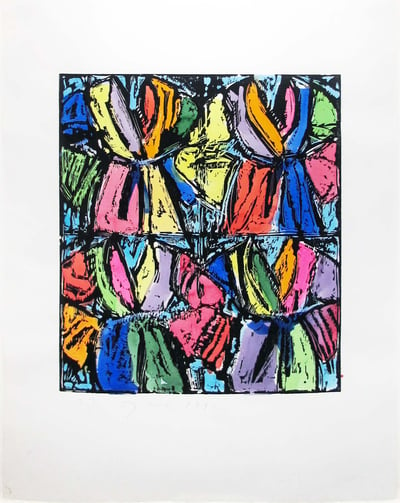
Jim Dine
Dexter's Four Robes, 1992
Limited Edition Print
Woodcut
USD 10,700
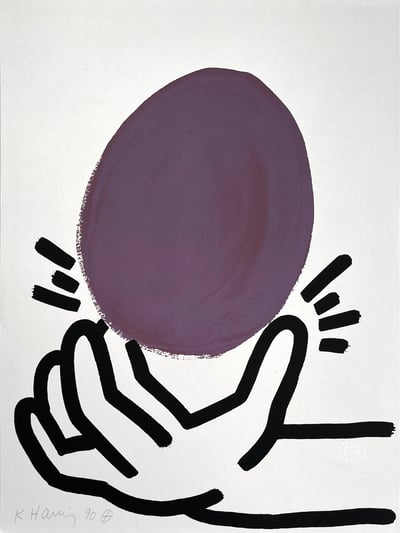
Keith Haring
Story of Red and Blue #20, 1989
Limited Edition Print
Lithograph
USD 4,850
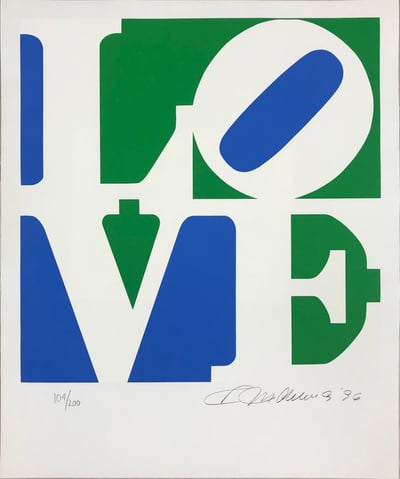
Robert Indiana
The Book of Love 8, 1996
Limited Edition Print
Screen-print
USD 15,900
Related Articles


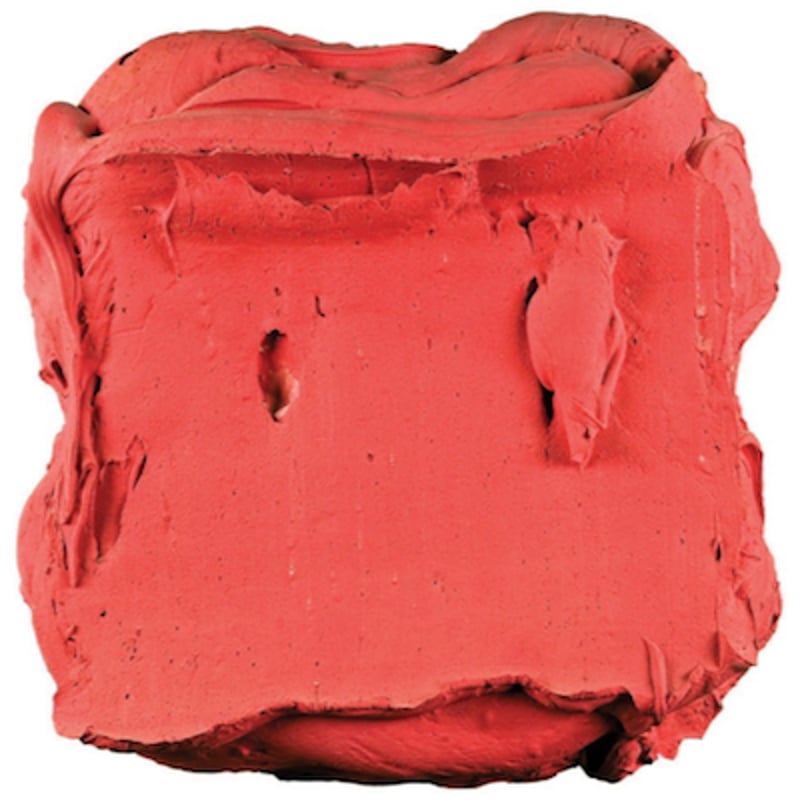
Matter painting is a technique that involves blending thick impasto paints with materials like cement, mud, sand, or shells. The term first emerged in the 1950s to describe the works of Belgian and Dutch painters who explored the physical properties of painting materials and the different ways paint could be manipulated. This approach emphasizes texture and the tactile qualities of the surface, creating a sculptural effect on the canvas.
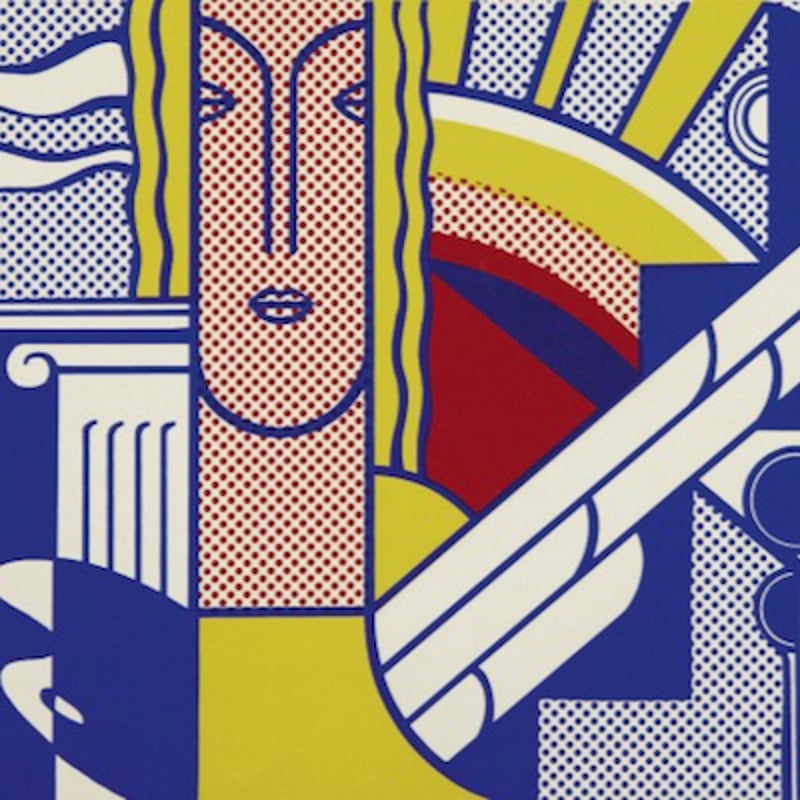
Late Modernism refers to the continuation and evolution of Modernist principles in art, architecture, and literature from the mid-20th century into the late 20th century. This movement maintains a focus on form, abstraction, and the rejection of traditional styles, but it often incorporates more complexity and ambiguity compared to early Modernism. Late Modernism explores themes such as alienation, identity, and the fragmentation of reality, reflecting the social and cultural shifts of the post-war period. It is seen in the works of architects like Louis Kahn and artists like Francis Bacon, who pushed the boundaries of Modernism while responding to the changing world around them.

Site-Specific Art is a form of artwork created to exist in a particular location, with the artist considering the site as an integral part of the creative process. Robert Irwin was a key figure in promoting this art form in California. Site-Specific Art emerged as a reaction against modernist objects, which were often portable, commodified, and confined to museum spaces. In contrast, Site-Specific Art is inherently tied to its location, challenging the traditional notions of art as a transportable and marketable commodity.
Can't find your Answer?
Thank you! Your question has been sent — we'll get back to you shortly.
