

What is pop-art?
- Show All
- Established
- Discoveries
- Show All
Artworks Related to Pop art
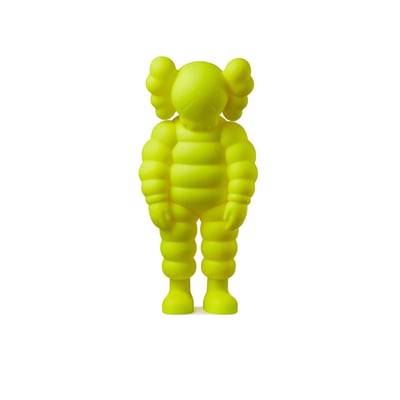
KAWS
What Party Figure - Yellow, 2020
Sculpture / Object
Mixed Media
Inquire For Price
Tom Wesselmann
Private Listing
Painting

James Rosenquist
Towel, Star, Sunglasses, 1977
Limited Edition Print
Etching
USD 3,750

Takashi Murakami
Hey! You! Do you Feel What I Feel?, 2014
Limited Edition Print
Lithograph
USD 3,750
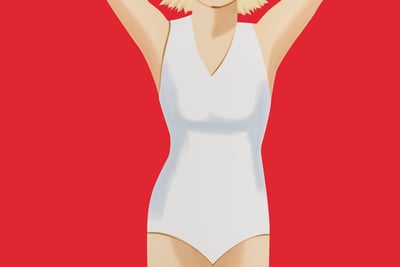
Alex Katz
Coca-Cola Girl 2, 2019
Limited Edition Print
Silkscreen
USD 17,750
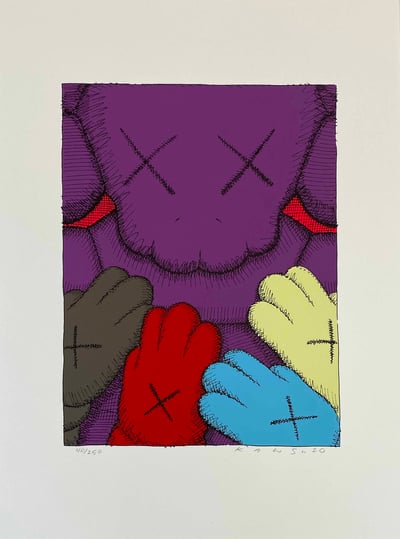
KAWS
Urge (8), 2020
Limited Edition Print
Silkscreen
USD 14,250
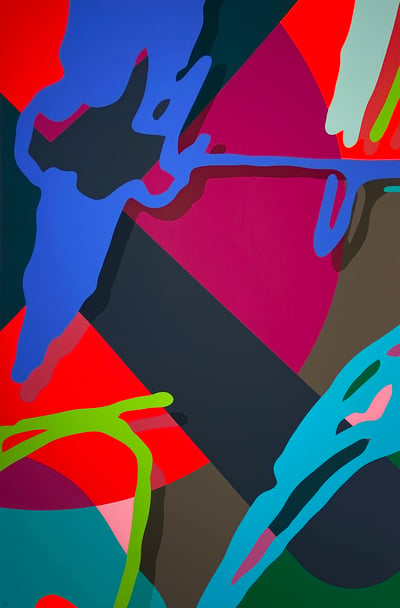
KAWS
Tension #4, 2019
Limited Edition Print
Serigraph
USD 15,400
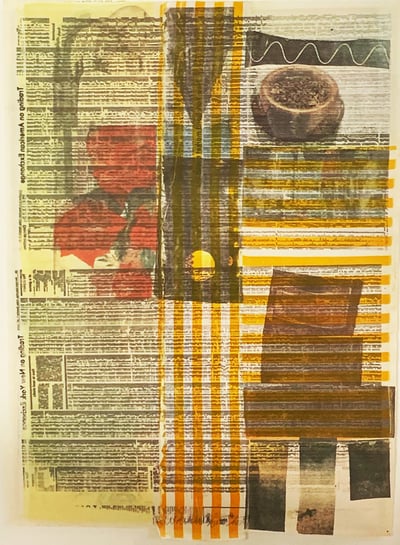
Robert Rauschenberg
One More & We Will Be More Than Halfway There, 1979
Limited Edition Print
Screen-print
USD 4,350
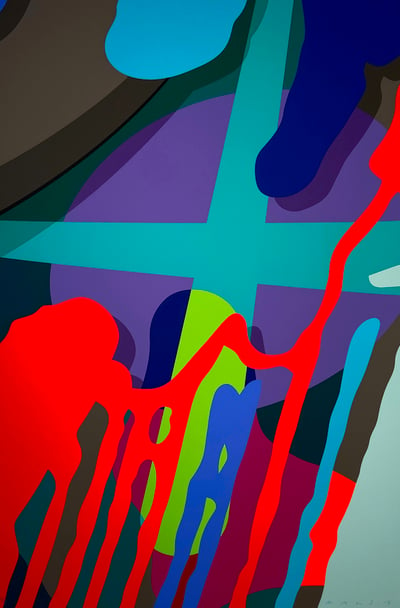
KAWS
Tension #6, 2019
Limited Edition Print
Serigraph
USD 15,400

Takashi Murakami
Skulls & Flowers Red, 2013
Limited Edition Print
Offset Print
USD 3,750

Takashi Murakami
Tonari Smiley, 2020
Limited Edition Print
Screen-print
USD 7,200
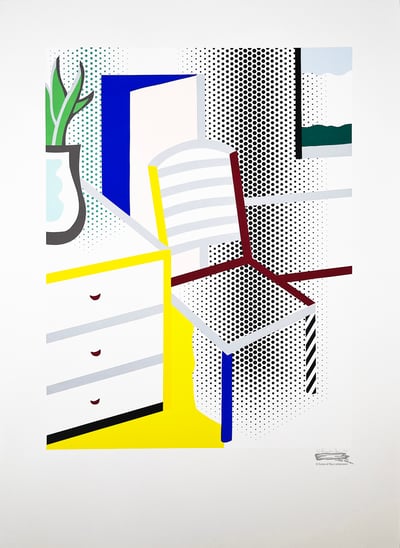
Roy Lichtenstein
Interior with Chair from the Leo Castelli 90th Birthday portfolio, 1997
Limited Edition Print
Screen-print
USD 30,000 - 40,000

Jim Dine
The Magnets, 2010
Limited Edition Print
Collage
USD 18,700
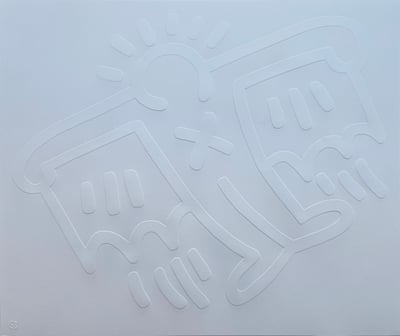
Keith Haring
White Icons (D) - X-Man, 1990
Limited Edition Print
Embossing
USD 15,500
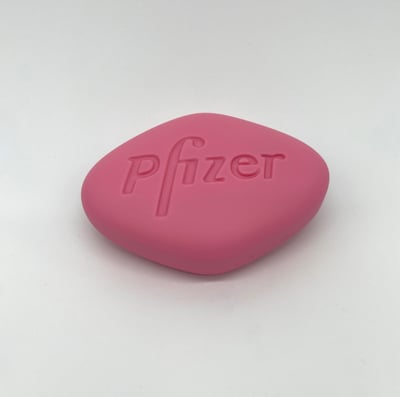
Damien Hirst
Viagra Pink (S), 2014
Sculpture / Object
Mixed Media
USD 8,950
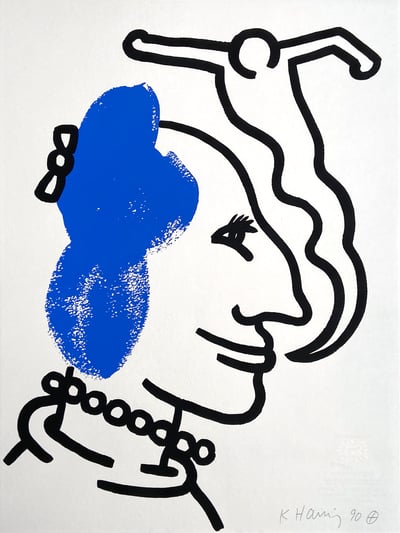
Keith Haring
Story of Red and Blue #6, 1989
Limited Edition Print
Lithograph
USD 5,700
Related Articles

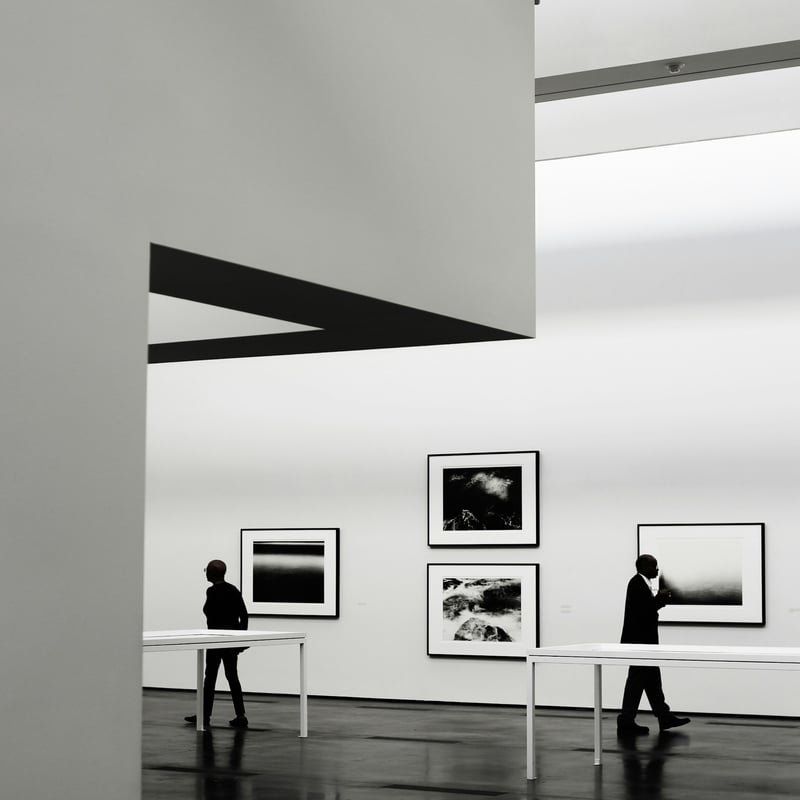
A triennial is a large-scale art exhibition that takes place every three years. These exhibitions often feature the latest artistic developments, works, and emerging artists on an international scale, involving major institutions from around the world. Triennials are significant events in the art world, offering a platform for contemporary art and fostering global cultural exchange.
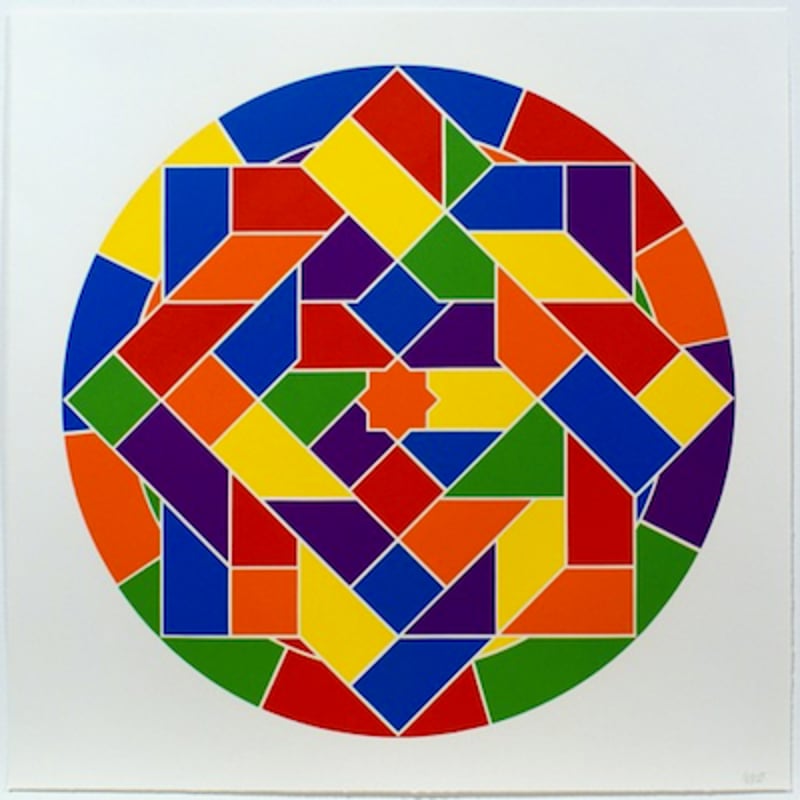
Generative art refers to art that is wholly or partly created through an autonomous system. This system can be independent or non-human, capable of determining features that would otherwise be decided by the artist. The generative system can act as the creator or as a collaborator with the artist. Generative art often refers to works generated algorithmically by computers, where the system plays a significant role in the creation process.

Animation is the process of displaying a sequence of static images in rapid succession to create the illusion of movement. Each image, or frame, is slightly altered from the previous one, particularly in the moving parts, so when shown together, they form a continuous motion. Traditionally, illustrators drew each frame by hand to produce this effect.
Can't find your Answer?
Thank you! Your question has been sent — we'll get back to you shortly.
