

What is pop-art?
- Show All
- Established
- Discoveries
- Show All
Artworks Related to Pop art
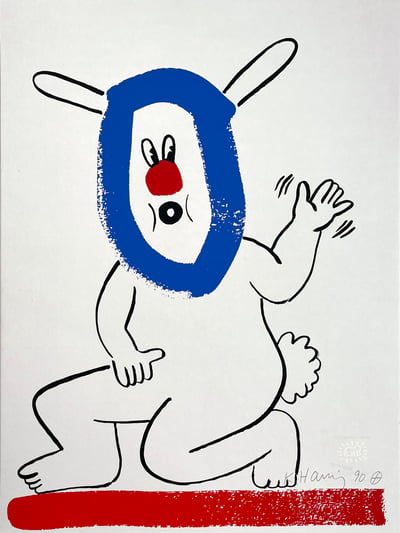
Keith Haring
Story of Red and Blue #18, 1989
Limited Edition Print
Lithograph
USD 6,200
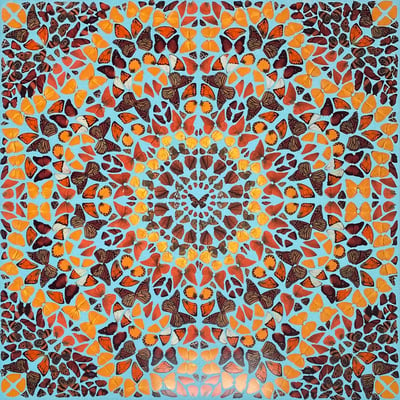
Damien Hirst
Pardon (D/D), 2012
Limited Edition Print
Screen-print
USD 35,000 - 40,000
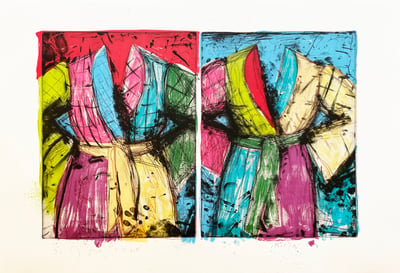
Jim Dine
Two Florida Bathrobes, 1986
Limited Edition Print
Mixed Media
USD 15,950
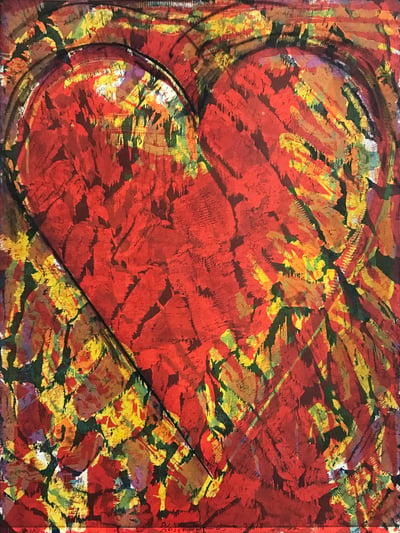
Jim Dine
The New Building, 2013
Limited Edition Print
Mixed Media
USD 17,750
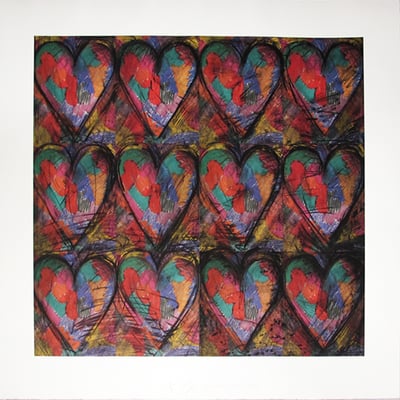
Jim Dine
The Memory, 2014
Limited Edition Print
Mixed Media
USD 21,000
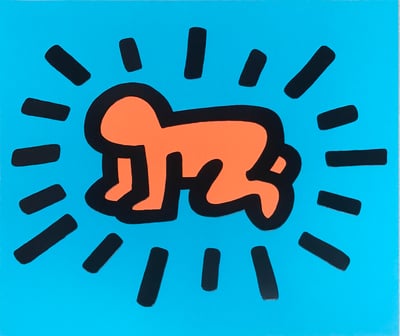
Keith Haring
Icons (A) - Radiant Baby, 1990
Limited Edition Print
Silkscreen
USD 55,000 - 70,000
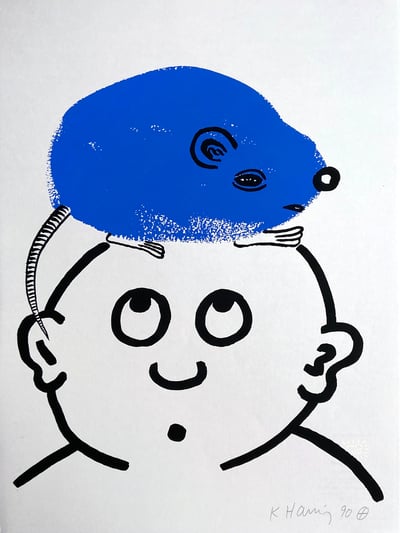
Keith Haring
Story of Red and Blue #4, 1989
Limited Edition Print
Lithograph
USD 4,850
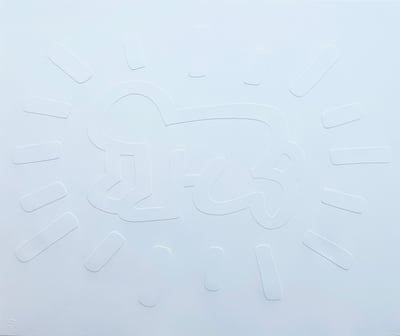
Keith Haring
White Icons (A) - Radiant Baby, 1990
Limited Edition Print
Embossing
USD 20,000 - 25,000
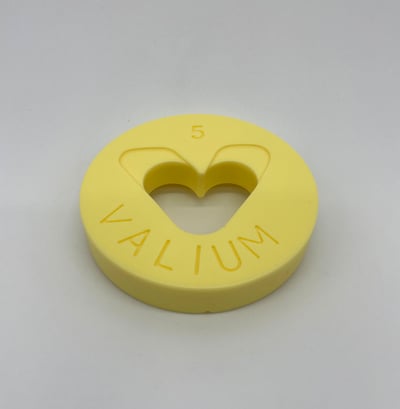
Damien Hirst
Vallium Yellow, 2014
Sculpture / Object
Mixed Media
USD 6,200

Damien Hirst
Viagra Blue (L), 2014
Sculpture / Object
Mixed Media
USD 12,240
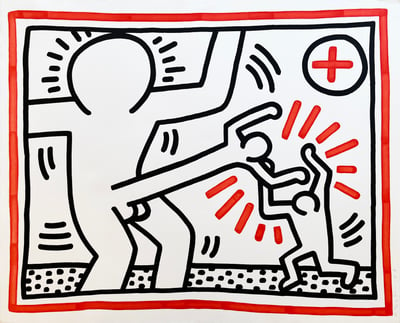
Keith Haring
Three Lithographs: One Plate, 1985
Limited Edition Print
Lithograph
USD 30,000 - 40,000
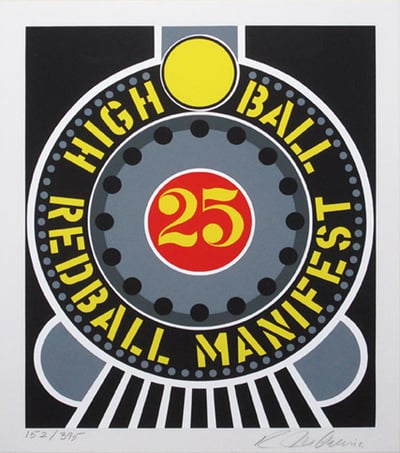
Robert Indiana
The American Dream (High Ball Redball Manifest), 1996
Limited Edition Print
Silkscreen
USD 3,700
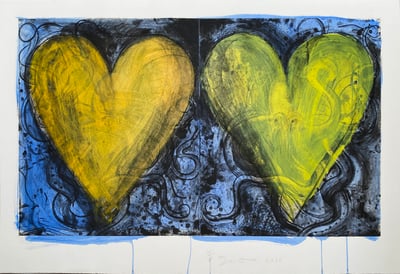
Jim Dine
The Octopus, 2015
Limited Edition Print
Woodcut
USD 17,770
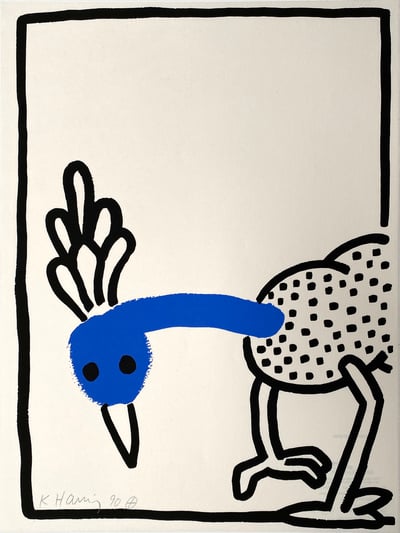
Keith Haring
Story of Red and Blue #8, 1989
Limited Edition Print
Lithograph
USD 5,400
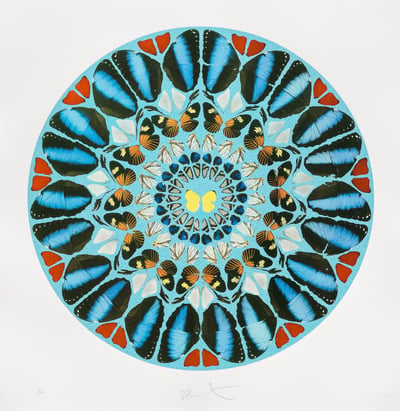
Damien Hirst
Psalm: Ad te, Domine, levavi, 2009
Limited Edition Print
Mixed Media
USD 21,000

Robert Indiana
Decade (The Figure 5), 1971
Limited Edition Print
Screen-print
USD 4,500
Related Articles
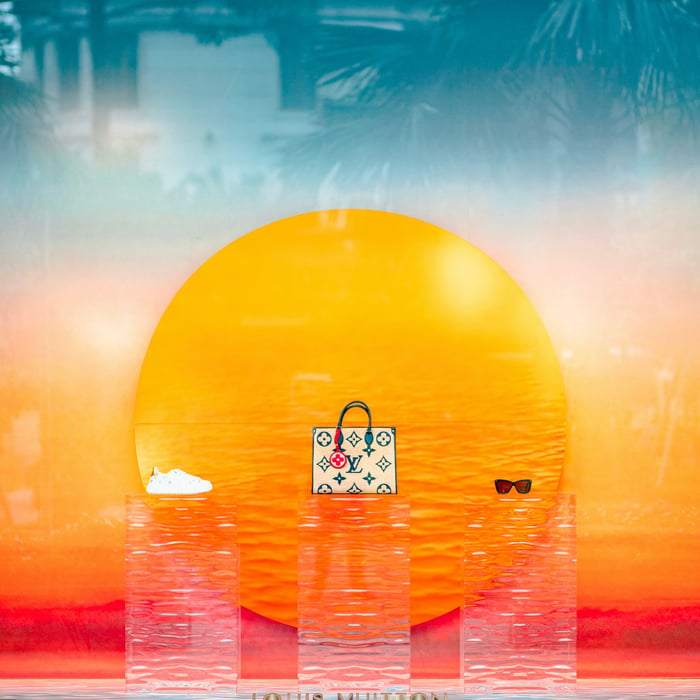



Wood is one of the most ancient and versatile materials used in creating art. It has served as a base for paintings, brush handles, pens, and pencils, as well as for easels, wood engraving, woodcut, woodblock printing, and sculpting. Various types of wood, such as oak, maple, and pine, are commonly used in these artistic applications.
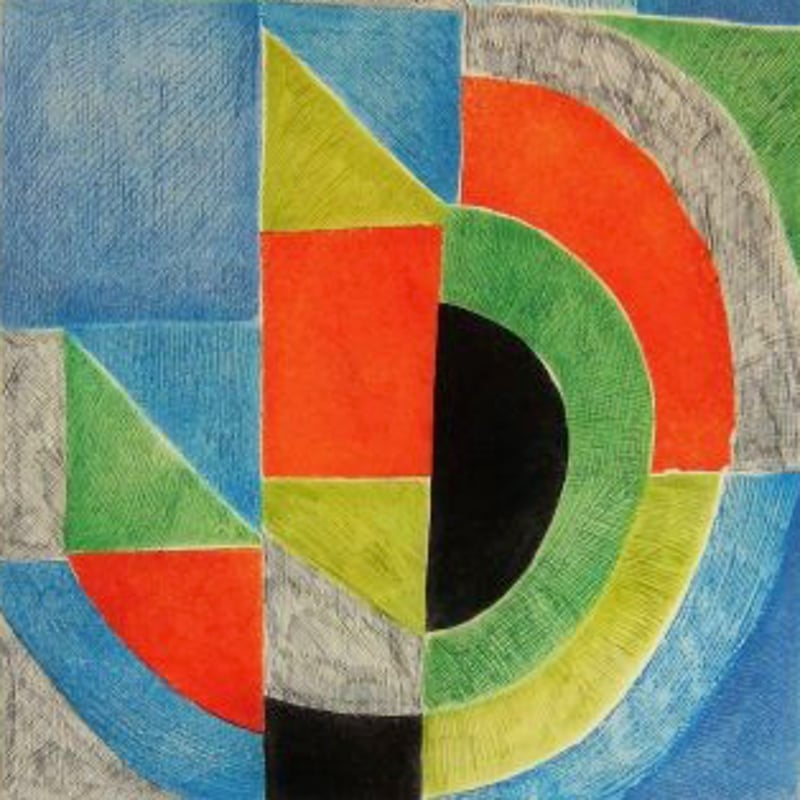
Réalités Nouvelles means new realities and refers to an exhibiting society founded in 1939 in Paris by Sonia Delaunay. The Salon des Réalités Nouvelles was dedicated to promoting abstract art, which it considered to be a new reality because it does not imitate the existing physical world. The movement emphasized that abstract art creates its own reality, independent of the external world, and played a significant role in the development and recognition of abstract art in the mid-20th century.
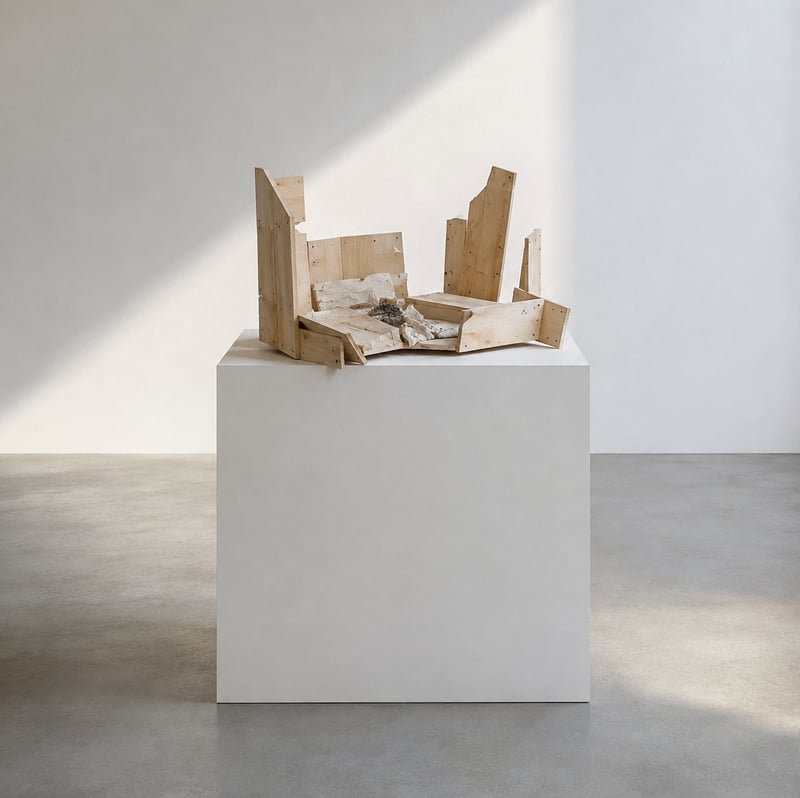
Xiamen Dada was a Chinese artist group based in Xiamen, a city on China’s southeast coast. Emerging in the 1980s, the group explored the relationship between Chan Buddhism and European Dada, embracing absurdity and the use of chance in the creation of their artworks. Xiamen Dada sought to challenge conventional artistic norms, blending Eastern philosophy with the avant-garde practices of Dada, and became known for their provocative and unconventional approach to art.
Can't find your Answer?
Thank you! Your question has been sent — we'll get back to you shortly.
