

What is pop-art?
- Show All
- Established
- Discoveries
- Show All
Artworks Related to Pop art
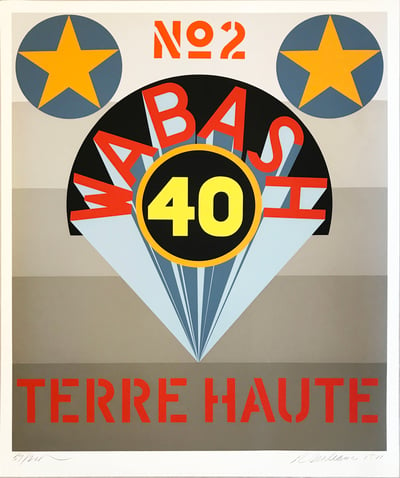
Robert Indiana
Decade (Terre Haute No. 2), 1971
Limited Edition Print
Screen-print
USD 3,200
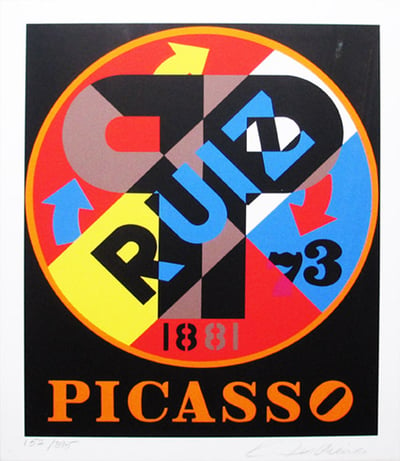
Robert Indiana
The American Dream (Picasso), 1996
Limited Edition Print
Silkscreen
USD 3,900
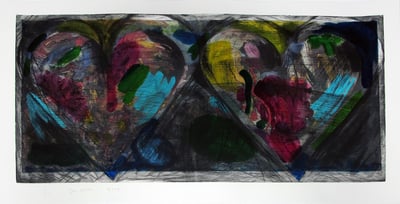
Jim Dine
Blue Points, 2014
Limited Edition Print
Mixed Media
USD 15,300
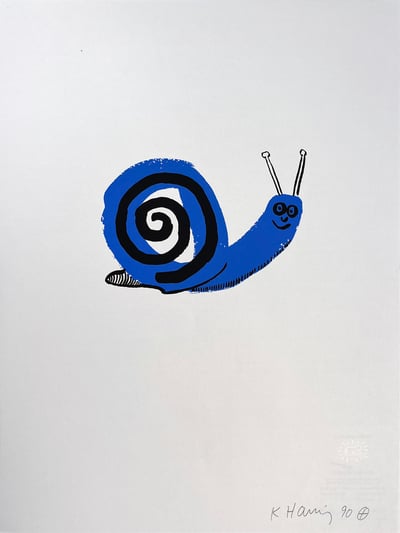
Keith Haring
Story of Red and Blue #10, 1989
Limited Edition Print
Lithograph
USD 4,800
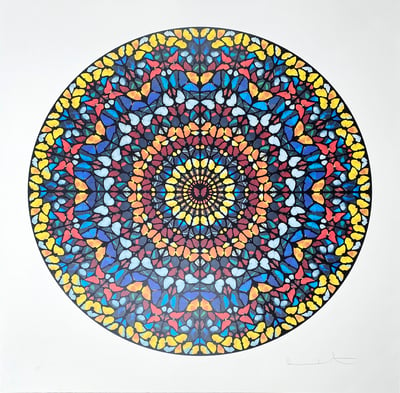
Damien Hirst
Entreaty (Glitter), 2013
Limited Edition Print
Mixed Media
USD 70,000 - 80,000
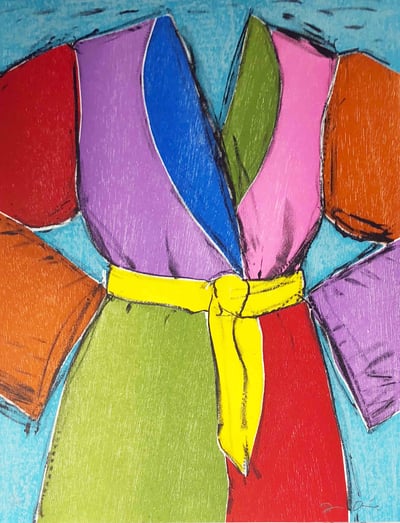
Jim Dine
The Yellow Belt, 2005
Limited Edition Print
Mixed Media
USD 6,500
KAWS
Private Listing
Painting
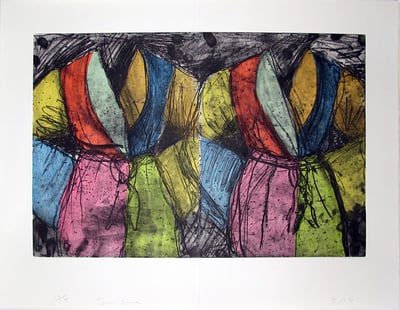
Jim Dine
The Soft Ground, 2014
Limited Edition Print
Mixed Media
USD 12,950
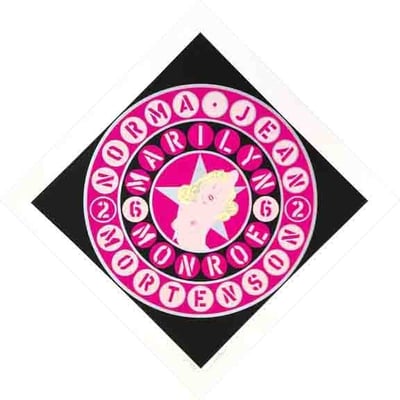
Robert Indiana
Marilyn '67, 2008
Limited Edition Print
Silkscreen
USD 4,800
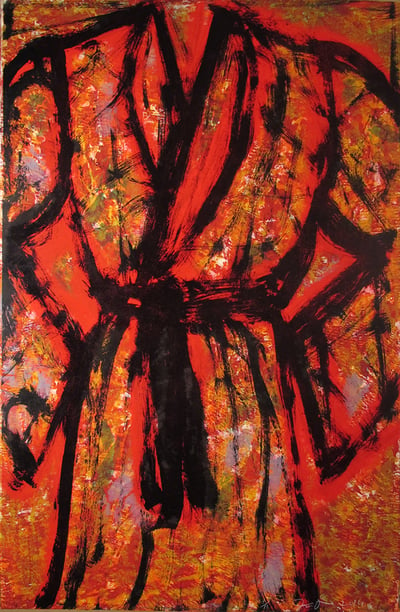
Jim Dine
Zein Robe, 2014
Limited Edition Print
Lithograph
USD 21,000
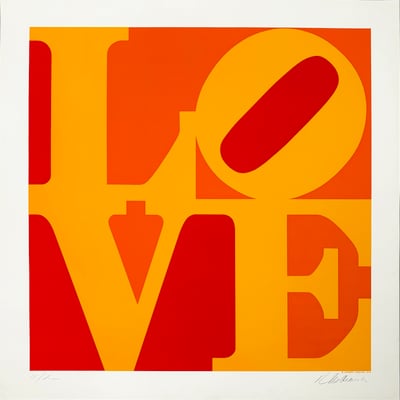
Robert Indiana
Golden Love, 1973
Limited Edition Print
Screen-print
Currently Not Available
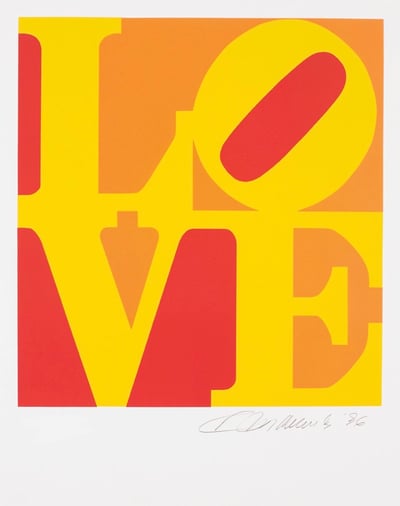
Robert Indiana
The Book of Love 10, 1996
Limited Edition Print
Screen-print
USD 17,500
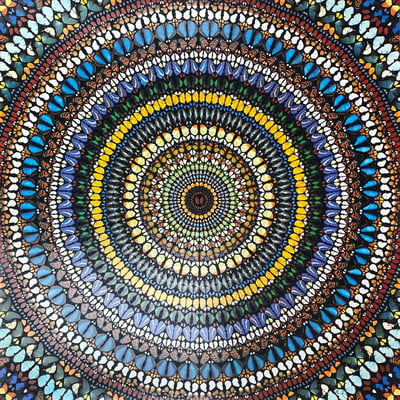
Damien Hirst
Covenant DD, 2013
Limited Edition Print
Screen-print
USD 70,000 - 80,000
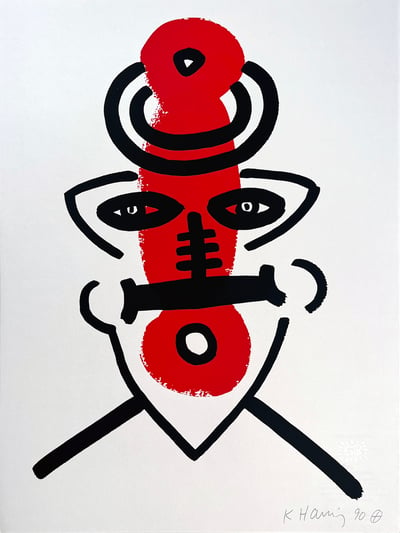
Keith Haring
Story of Red and Blue #9, 1989
Limited Edition Print
Lithograph
USD 5,850
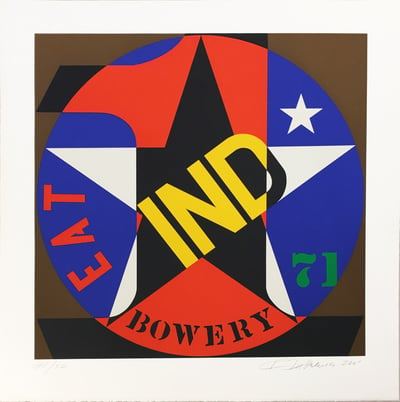
Robert Indiana
Decade Autoportrait '61, 2001
Limited Edition Print
Silkscreen
USD 5,850
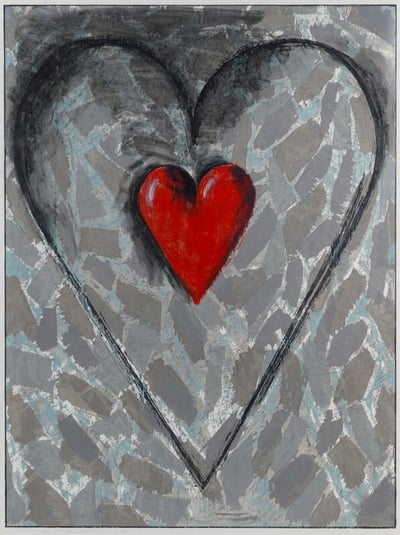
Jim Dine
Gray Fort, 2003
Limited Edition Print
Mixed Media
USD 20,000 - 30,000
Related Articles
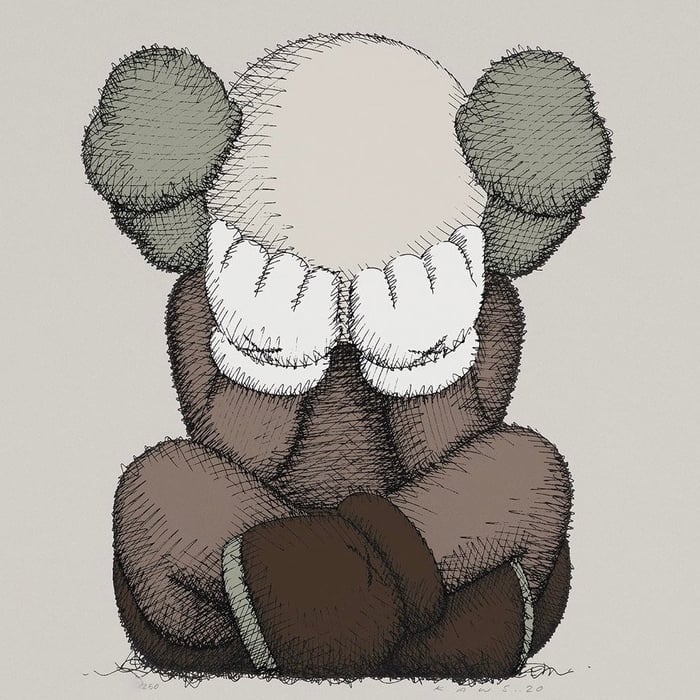


Live art is a form of performance that began in the 1960s and is generally exploratory and innovative. It involves a single artist or an artist group presenting the work before a live audience. The performances can include humans, animals, and living plants, often blurring the boundaries between art and life, and encouraging interaction with the audience.
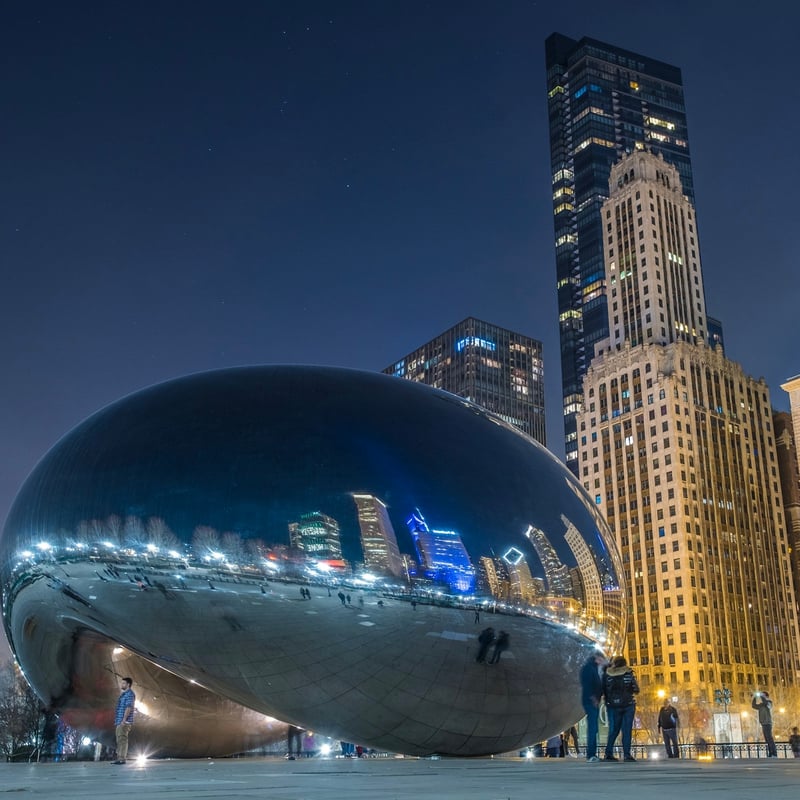
New British Sculpture is the name referring to the work produced by a group of sculptors, installation artists, and other creators who exhibited together in London during the 1980s. This group included artists like Richard Deacon, Richard Wentworth, and Tony Cragg. Tim Woods helped define this movement by identifying four major themes: the blending of kitsch and pop culture, the use of UK urban waste in a bricolage style, the assignment of new meanings to everyday objects, and a playful approach using wit and humor.
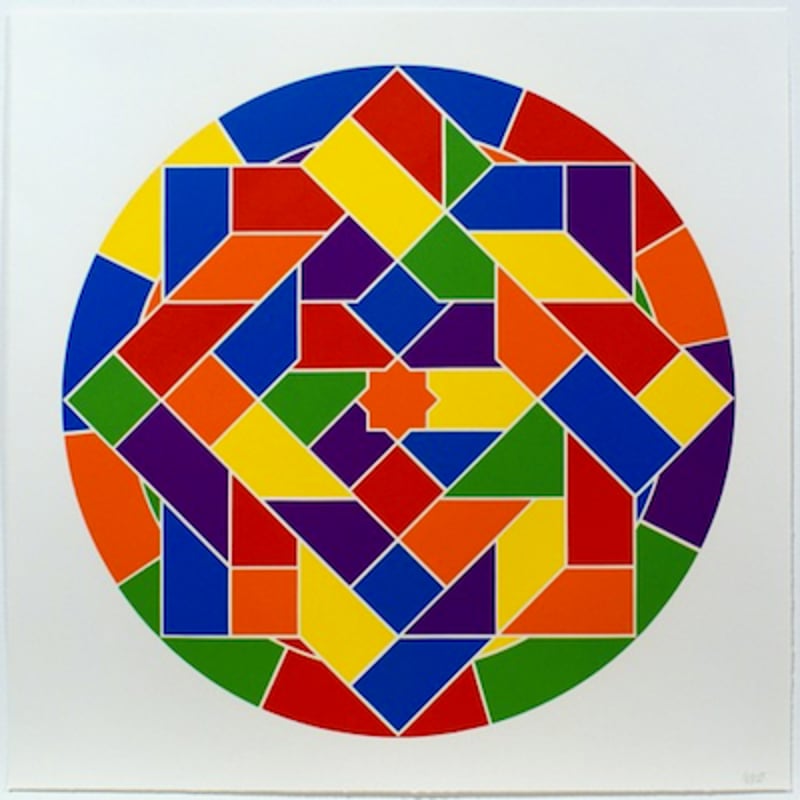
Generative art refers to art that is wholly or partly created through an autonomous system. This system can be independent or non-human, capable of determining features that would otherwise be decided by the artist. The generative system can act as the creator or as a collaborator with the artist. Generative art often refers to works generated algorithmically by computers, where the system plays a significant role in the creation process.
Can't find your Answer?
Thank you! Your question has been sent — we'll get back to you shortly.
