

What is pop-art?
- Show All
- Established
- Discoveries
- Show All
Artworks Related to Pop art
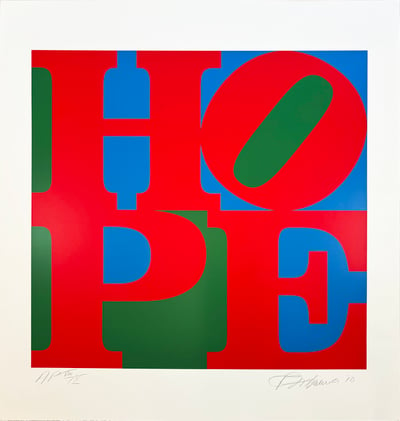
Robert Indiana
Hope, 2010
Limited Edition Print
Screen-print
USD 14,250
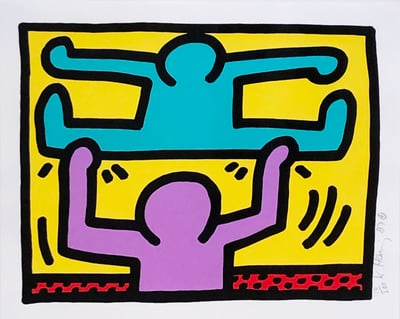
Keith Haring
Pop Shop I (D), 1987
Limited Edition Print
Silkscreen
USD 40,000 - 50,000
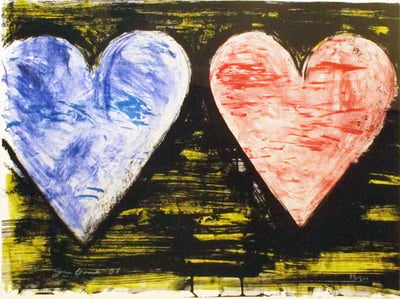
Jim Dine
Two Hearts at Sunset, 2005
Limited Edition Print
Lithograph
USD 4,450
Keith Haring
Private Listing
Painting
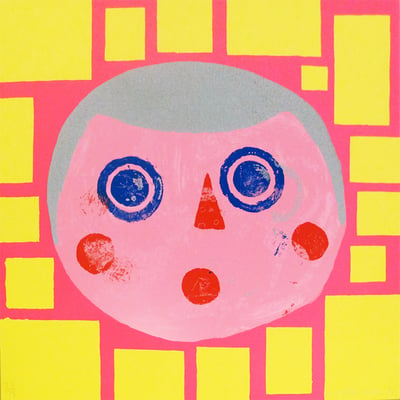
Donald Baechler
Coney Island V, 1994
Limited Edition Print
Screen-print
USD 1,950
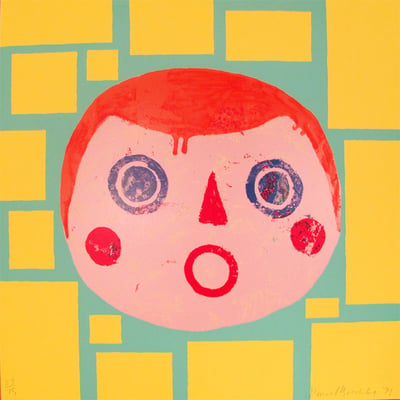
Donald Baechler
Coney Island I, 1994
Limited Edition Print
Screen-print
USD 1,950
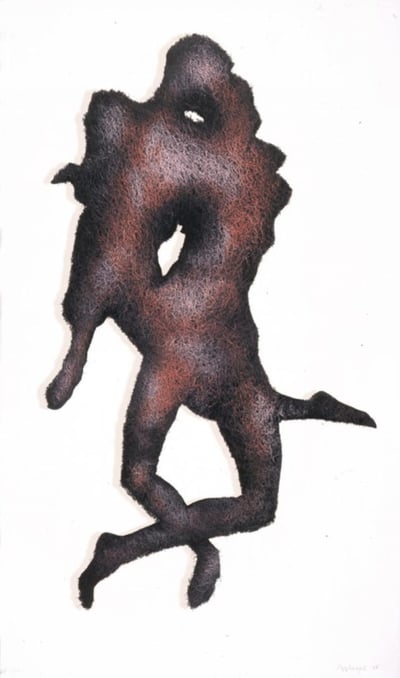
Richard Artschwager
Liebespaar (Lovers), 2005
Limited Edition Print
Serigraph
USD 1,650
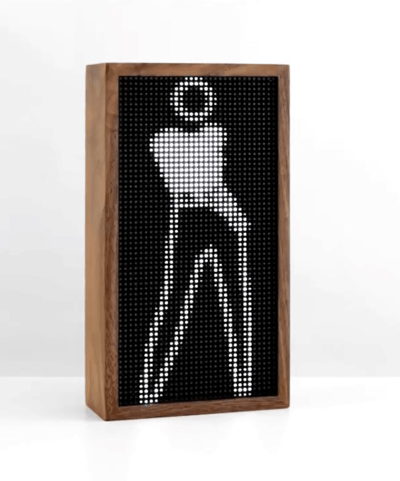
Julian Opie
Dancing figure 1, 2023
Digital Art
Mixed Media
USD 5,400
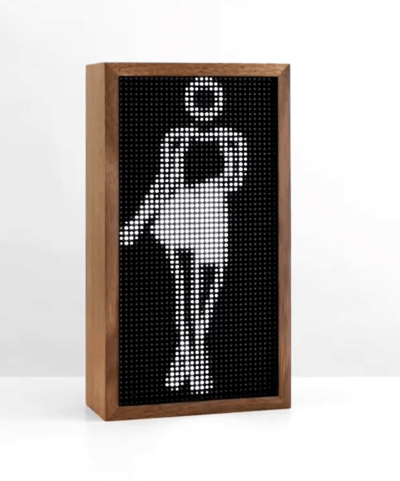
Julian Opie
Dancing figure 2, 2023
Digital Art
Mixed Media
Currently Not Available
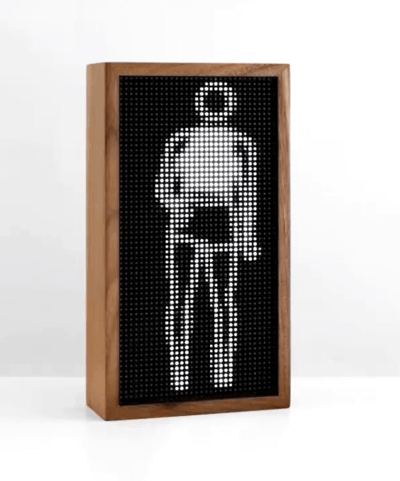
Julian Opie
Dancing figure 5, 2023
Digital Art
Mixed Media
USD 5,400
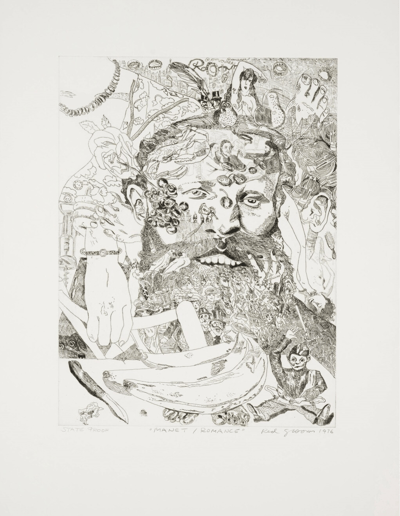
Red Grooms
Manet/Romance, 1980
Limited Edition Print
Etching and Aquatint
Inquire For Price
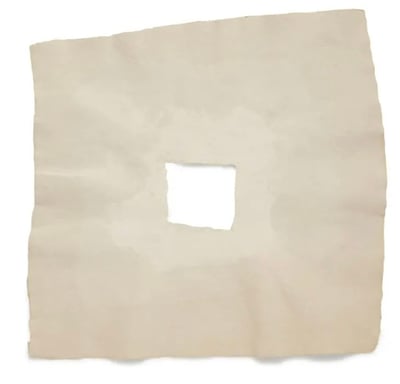
Robert Rauschenberg
Page III, 1974
Limited Edition Print
Mixed Media
Inquire For Price
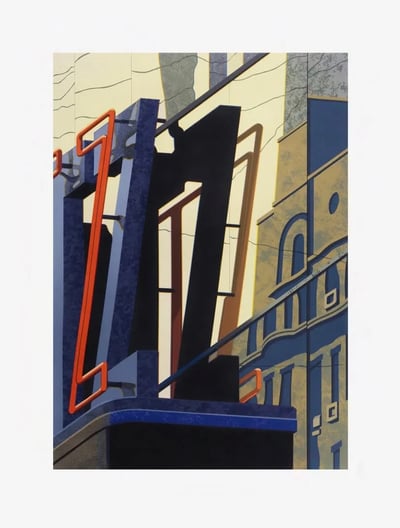
Robert Cottingham
The Letter Z, 2001
Limited Edition Print
Lithograph
USD 1,350
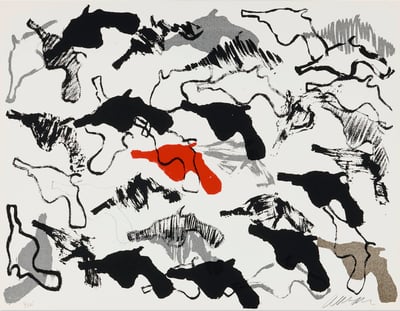
Fernandez Arman
Boom Boom, 1966
Limited Edition Print
Screen-print
Inquire For Price
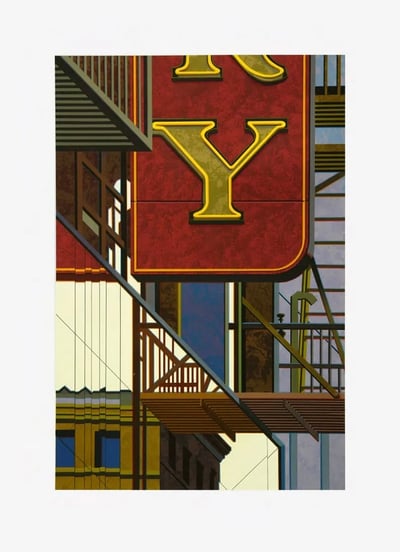
Robert Cottingham
The Letter Y, 2001
Limited Edition Print
Lithograph
USD 1,350
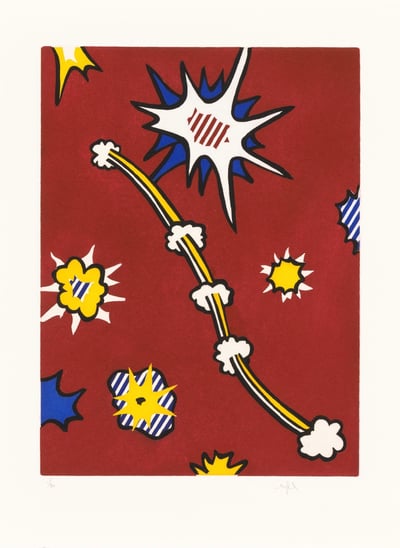
Roy Lichtenstein
De Denver au Montana, Départ 27 Mai 1972 (II), 1991
Limited Edition Print
Etching and Aquatint
USD 12,500
Related Articles
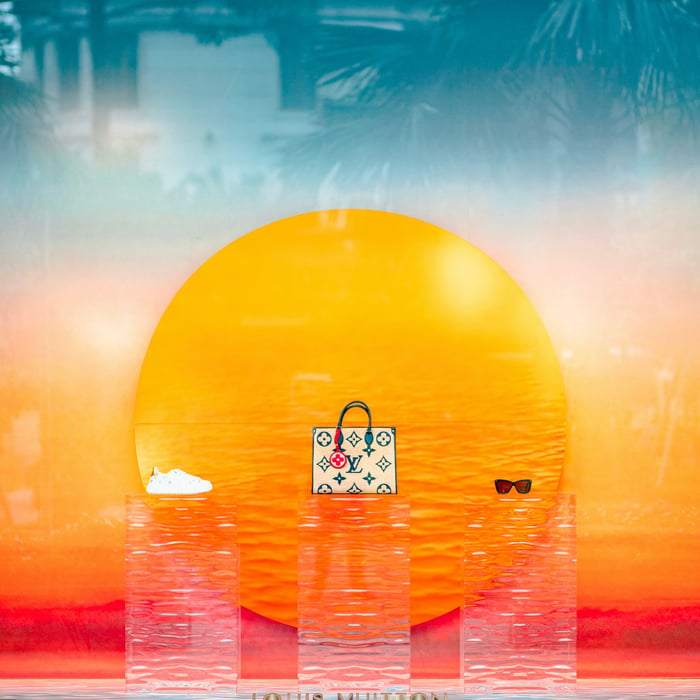


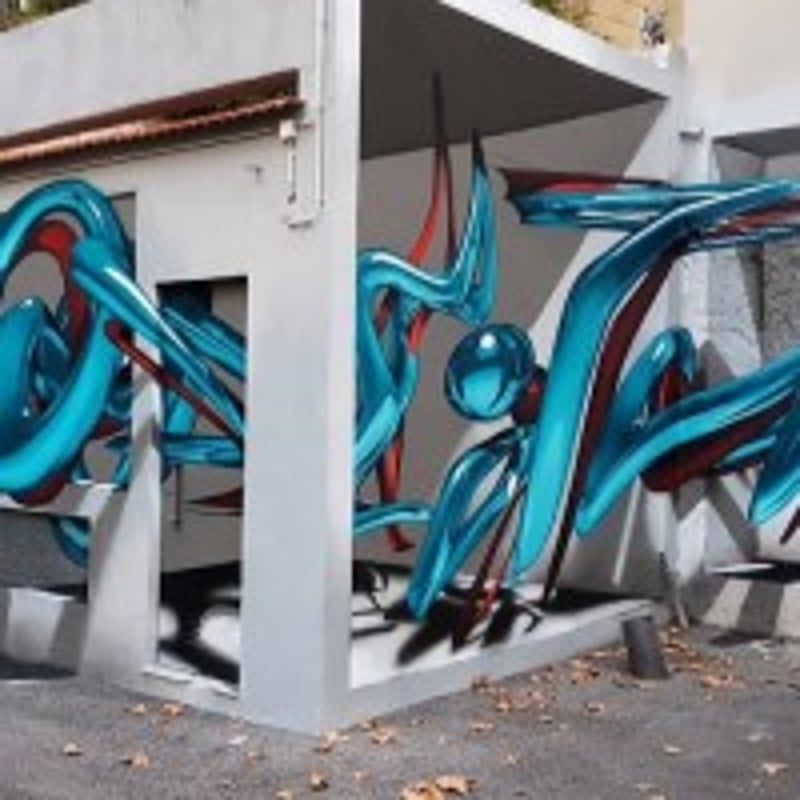
Hypermodernism is a cultural and artistic movement that emerged in the late 20th and early 21st centuries, characterized by an intense embrace of technology and a focus on speed, complexity, and the future. This movement often challenges traditional modernist values by emphasizing hyper-reality, where the boundaries between reality and virtuality blur. Hypermodernism is evident in architecture, design, and visual arts, where artists and creators use advanced digital tools and futuristic aesthetics to explore themes of globalization, identity, and the impact of technology on society.
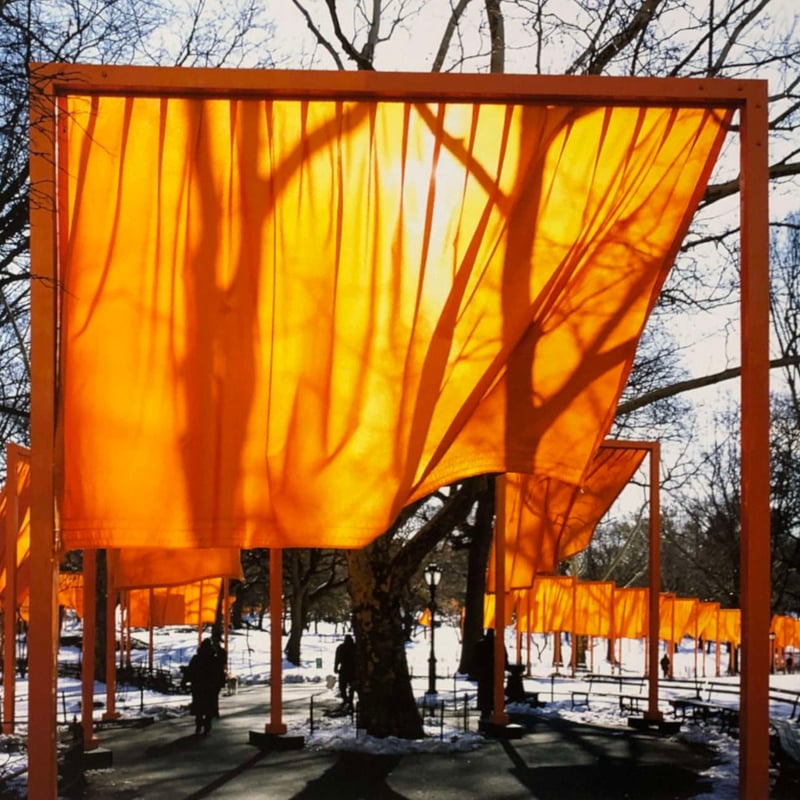
Ephemeral art is a type of art that occurs only once and typically lasts for a very short period. It cannot be displayed as a traditional work of art in a gallery or museum. Examples of ephemeral art include performances, happenings, sound sculptures, flyers, and mass-produced items. This art form emphasizes the transient nature of the experience, existing only in the moment and often leaving no lasting physical trace.

Provenance refers to the chronology of ownership, location, or custody of an artwork. Tracing an object's provenance helps establish its authenticity and historical context by documenting its ownership history, storage locations, and custody over time. This process often involves expert opinions, comparative analysis, and scientific testing to provide evidence of the artwork’s origin and history.
Can't find your Answer?
Thank you! Your question has been sent — we'll get back to you shortly.
