
What is Process Art?
- Show All
- Established
- Discoveries
- Show All
Artworks Related to Process Art

Donald Sultan
Playing Card (Queen of Hearts), 1990
Limited Edition Print
Aquatint
USD 1,950
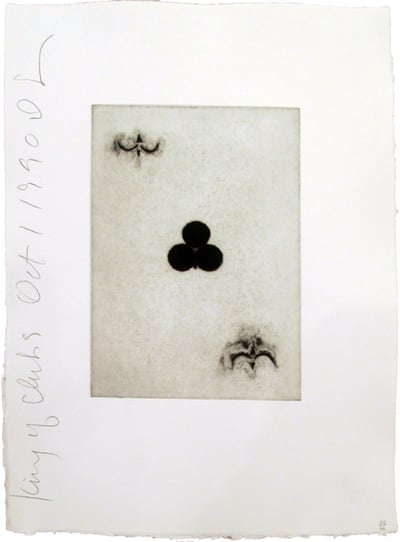
Donald Sultan
Playing Cards (King of Clubs), 1990
Limited Edition Print
Aquatint
USD 1,100

Donald Sultan
Black and Red - Lantern Flowers, 2012
Limited Edition Print
Screen-print
USD 7,300

Donald Sultan
Playing Card (Three of Diamonds), 1990
Limited Edition Print
Aquatint
USD 1,450

Robert Rauschenberg
Tribute 21: Art, 1994
Limited Edition Print
Lithograph
USD 4,950

Robert Rauschenberg
Tibetan Keys (Rectangle), 1987
Sculpture / Object
Mixed Media
USD 14,250

Robert Motherwell
Untitled (Gesture #6), 1976
Limited Edition Print
Etching
USD 11,900

Robert Rauschenberg
Tibetan Keys (Double Bevel), 1987
Sculpture / Object
Mixed Media
USD 16,500

Robert Rauschenberg
Tribute 21: Labor, 1994
Limited Edition Print
Lithograph
USD 6,750
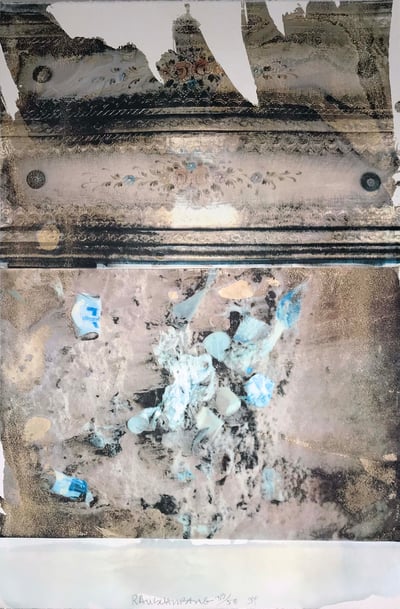
Robert Rauschenberg
Tribute 21: Cinema, 1994
Limited Edition Print
Lithograph
USD 4,950

Robert Rauschenberg
Relic (Speculations), 1997
Limited Edition Print
Screen-print
USD 11,900

Robert Rauschenberg
Site, 2000
Limited Edition Print
Lithograph
USD 6,750

Robert Rauschenberg
Tibetan Keys (Bevel), 1987
Sculpture / Object
Mixed Media
USD 14,250
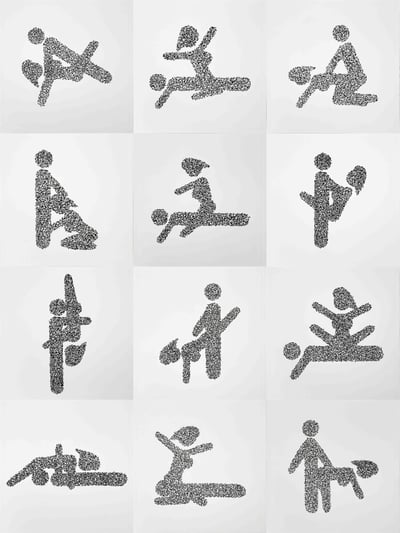
Vik Muniz
Love Bug Suite, 2014
Limited Edition Print
C-Print
Inquire For Price

Robert Rauschenberg
Daydream (Speculations), 1997
Limited Edition Print
Screen-print
USD 12,950

Robert Rauschenberg
Tribute 21: Education, 1994
Limited Edition Print
Lithograph
USD 4,950
Related Articles
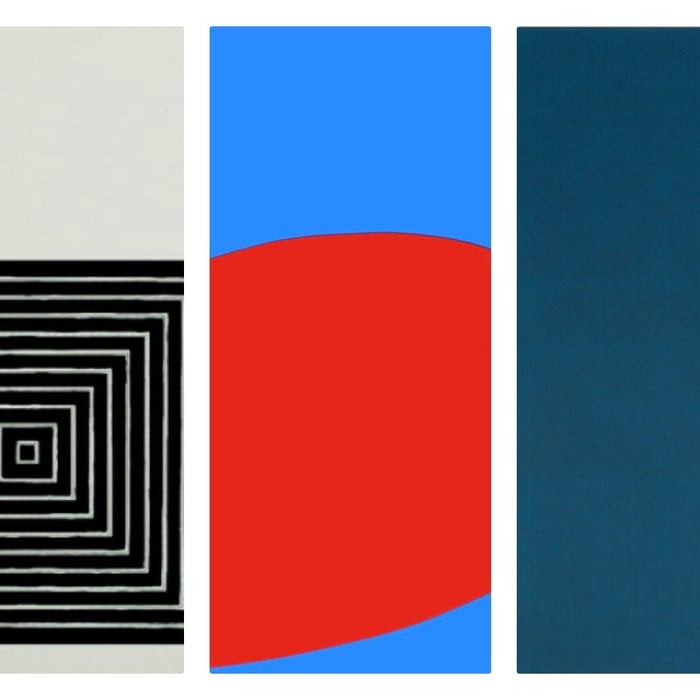

Entropy, in a broader sense, refers to the inevitable deterioration or decline of a society or system. In art, the concept was popularized by artist Robert Smithson in the 1960s. He used the term to critique what he saw as the static and overly simplified nature of contemporary minimalist art. Smithson's work often explored the idea of entropy as a force of chaos and decay, contrasting with the perceived order and purity of minimalist works.

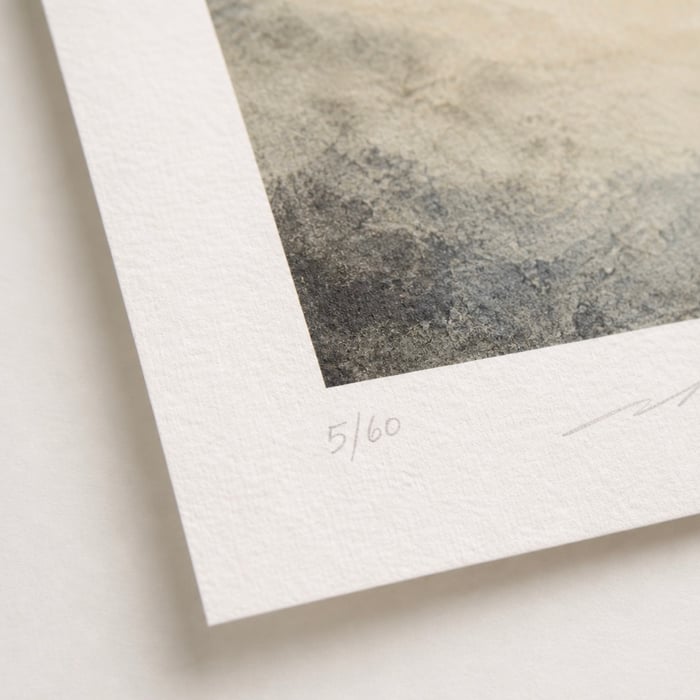
A C-type print, also known as a chromogenic print, is a photographic print made from a color negative or slide. The print is created on chromogenic paper, which contains three emulsion layers, each sensitized to a different primary color. After exposure, the paper is processed in a series of chemical baths, where each layer reacts to the chemicals to produce the final image. C-type prints are known for their rich color depth and are widely used in fine art and commercial photography.
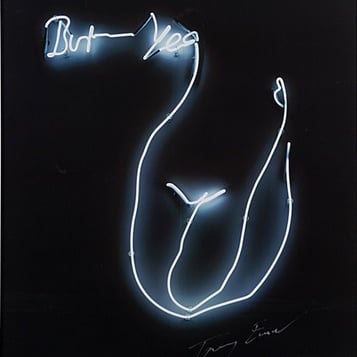
Feminist art refers to the art that emerged from the feminist art movement during the 1960s and 1970s. It developed with the intention of critiquing 20th-century gender ideals and challenging the traditional canon of art history. Feminist art seeks to create a dialogue between the artwork and the viewer through a feminist lens, often addressing issues of gender, identity, and social justic
Can't find your Answer?
Thank you! Your question has been sent — we'll get back to you shortly.
