
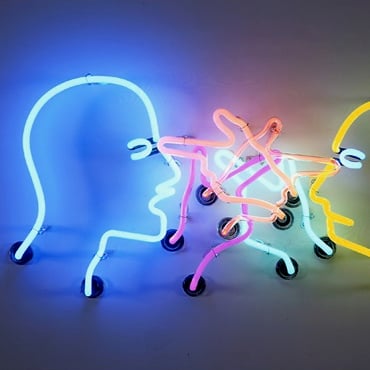
What is Process Art?
Process Art is an artistic movement and creative approach where the focus is on the act of creation rather than the final product. The term process in this context refers to the various stages of art-making, including gathering, sorting, associating, and organizing materials and actions. This movement emphasizes the artistic journey and the human expression involved in creating art, rather than the finished piece itself. Process Art is driven by inherent motivation, intentionality, and the rationale behind the actions, viewing the creative process as the true artwork.
Show All
- Show All
- Established
- Discoveries
Show All
- Show All
Artworks Related to Process Art
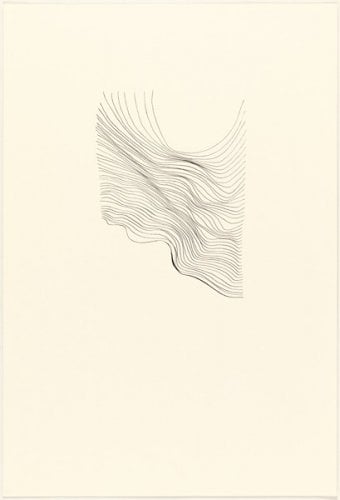
León Ferrari
Mod. 3, 2009
Limited Edition Print
Lithograph
EUR 1,000
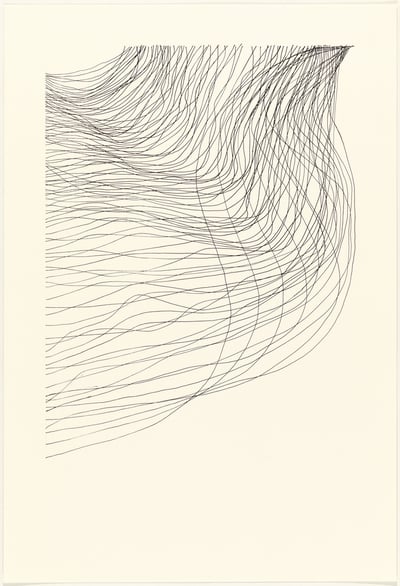
León Ferrari
Mod. 2, 2009
Limited Edition Print
Lithograph
EUR 1,000
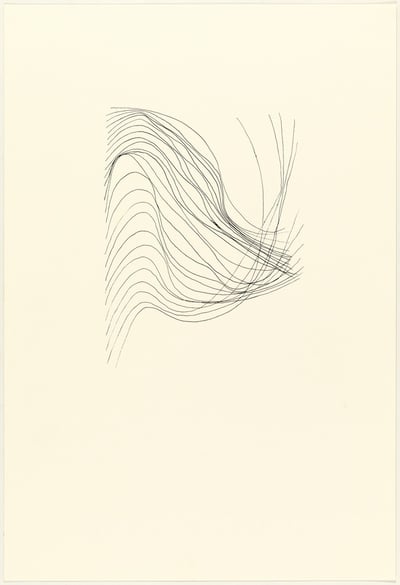
León Ferrari
Mod. 1, 2009
Limited Edition Print
Lithograph
EUR 1,000
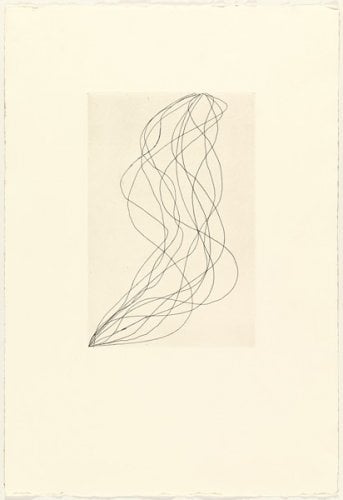
León Ferrari
Mod. 2, 2009
Limited Edition Print
Etching
EUR 1,000
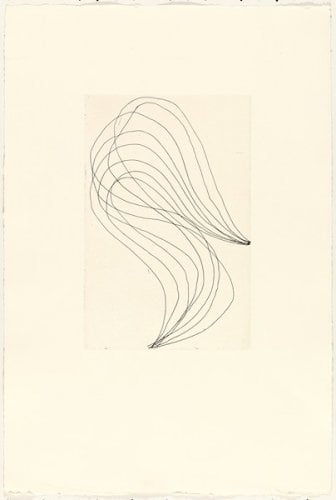
León Ferrari
Mod. 1, 2009
Limited Edition Print
Etching
EUR 1,000
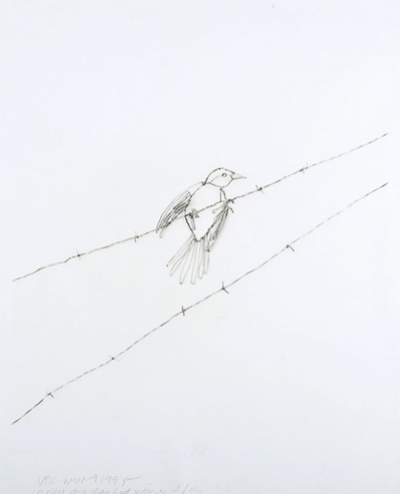
Vik Muniz
Vireo on Barbed Wire, 1995
Photography
Photograph
USD 6,200
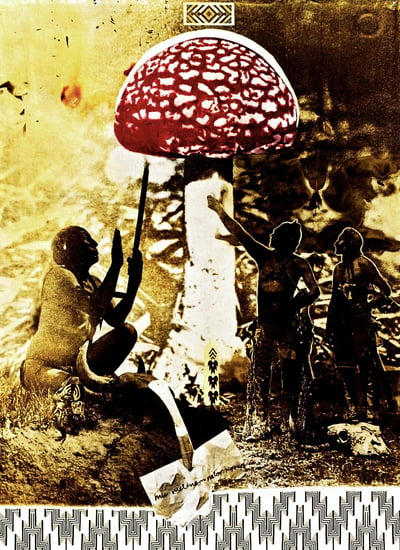
Sigmar Polke
Mu nieltnam netorruprup., 1975
Limited Edition Print
Lithograph
Currently Not Available
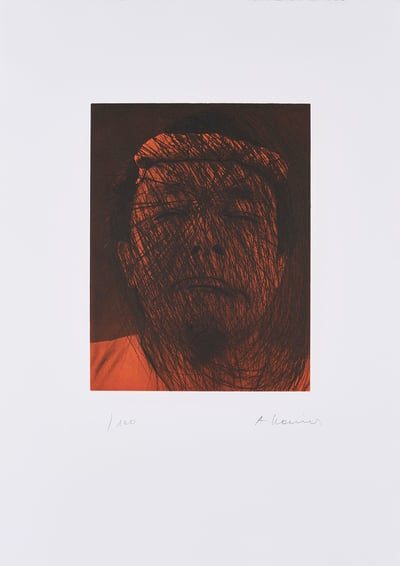
Arnulf Rainer
Kopf auf Braun (Selbstportrait), 1991
Limited Edition Print
Mixed Media
Make Your Offer
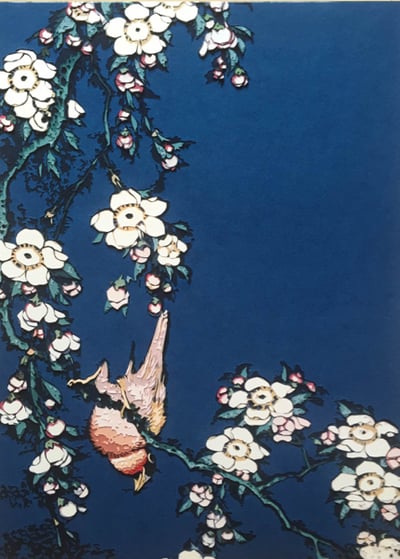
Vik Muniz
Bullfinch and weeping cherry, 2010
Photography
C-Print
EUR 6,500
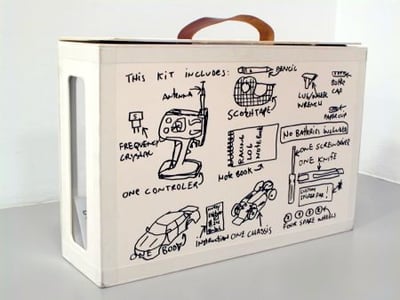
Tom Sachs
Deluxe Racing Set, 2003
Sculpture / Object
Mixed Media
Currently Not Available
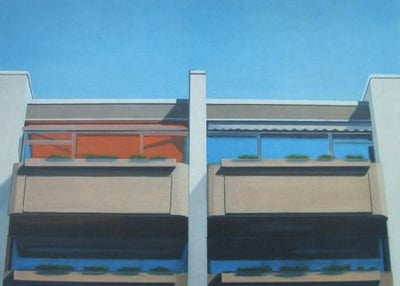
Eberhard Havekost
Vier Kabinen, 2000
Limited Edition Print
Lithograph
Currently Not Available
Related Articles
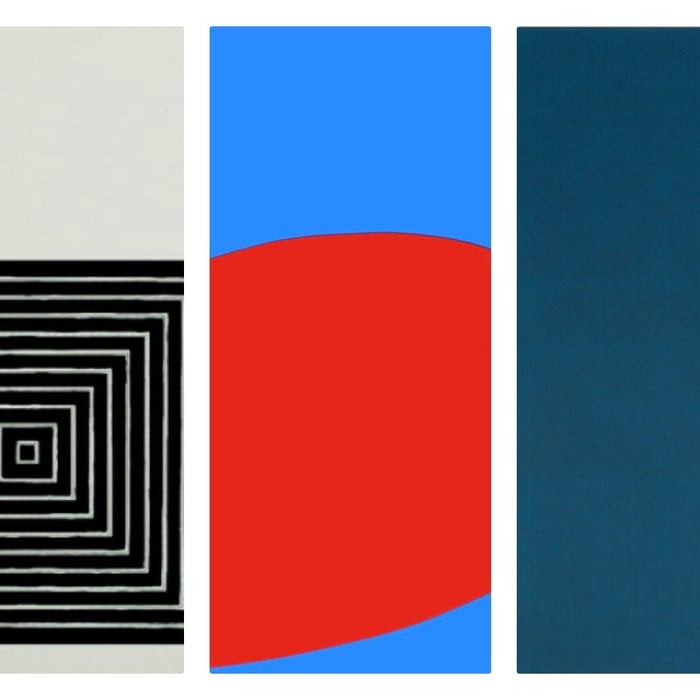
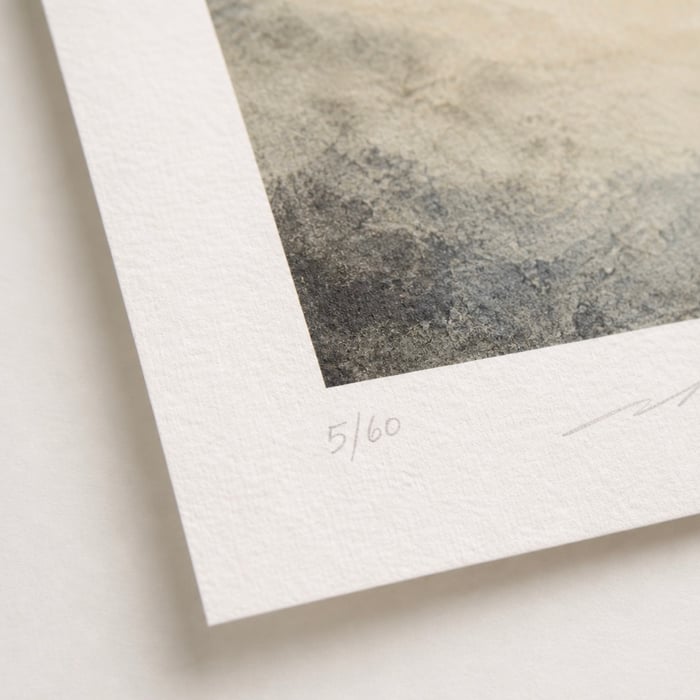

A print is an image or text reproduced using a template or master form. Prints are typically created by transferring ink from a prepared matrix to another material, often paper. Common matrices include copper or zinc plates for etching and engraving, aluminum or stone for lithography, wood blocks for woodcuts, and linoleum for linocuts. The term print can also refer to a single impression made from the matrix.

De Stijl, meaning The Style, was a group of Dutch artists who created abstract art based on strict adherence to vertical and horizontal geometry. The group was founded by Piet Mondrian and Theo van Doesburg in 1917. Mondrian eventually left De Stijl when Van Doesburg began incorporating diagonal geometry into his work, which Mondrian felt deviated from the group's principles.
Drypoint is an intaglio printmaking technique where an image is incised onto a plate using a sharp, pointed tool, typically a needle made of metal or diamond. Traditionally, copper plates were used, but today zinc, plexiglass, or acetate are also common. Drypoint is easier for drawing artists to master compared to engraving, as the needle technique resembles drawing with a pencil rather than the more complex burin used in engraving.
Can't find your Answer?
Thank you! Your question has been sent — we'll get back to you shortly.
