
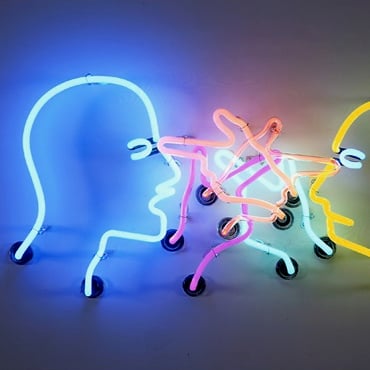
What is Process Art?
- Show All
- Established
- Discoveries
- Show All
Artworks Related to Process Art

Alison Wilding
Skin, 2010
Limited Edition Print
Woodcut
EUR 1,300

Alison Wilding
Out there (Spin), 2010
Limited Edition Print
Aquatint
EUR 2,150

Joseph Beuys
Wirtschaftspaket, 1984
Sculpture / Object
Mixed Media
EUR 16,600

Donald Sultan
Sand Trumpet, 2008
Limited Edition Print
Mixed Media
USD 8,970

Donald Sultan
Black Trumpet, 2008
Limited Edition Print
Screen-print
EUR 8,500 - 10,000

Antony Gormley
Matrix X, 2016
Limited Edition Print
Aquatint
Currently Not Available
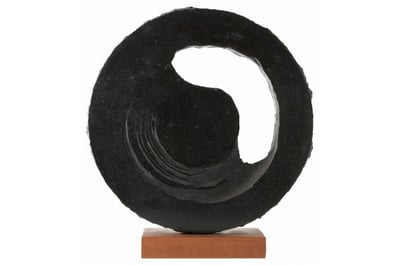
Nobuo Sekine
One Stroke Circle, 1974
Sculpture / Object
Acrylic sculpture
Currently Not Available

John Chamberlain
Coldchester, 1979
Limited Edition Print
Lithograph
USD 5,500

William Anastasi
A Painting of a Soup Can
Limited Edition Print
Silkscreen
USD 2,400

William Anastasi
The Want Portfolio (3)
Limited Edition Print
Silkscreen
USD 7,800

William Anastasi
Red Marilyn
Limited Edition Print
Etching
USD 3,800
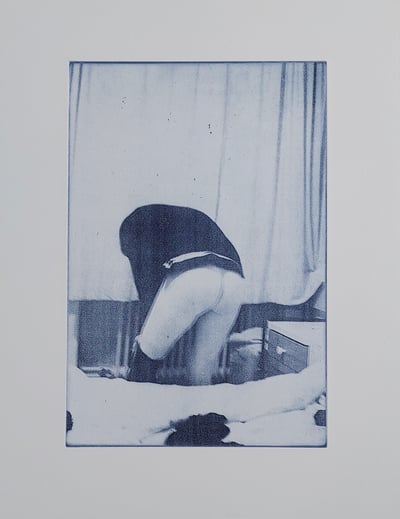
Christopher Wool
Untitled, 1994
Photography
Photogravure
Make Your Offer

James Siena
Roda tergiversada amb quatre forats, 2013
Limited Edition Print
Etching
EUR 1,200
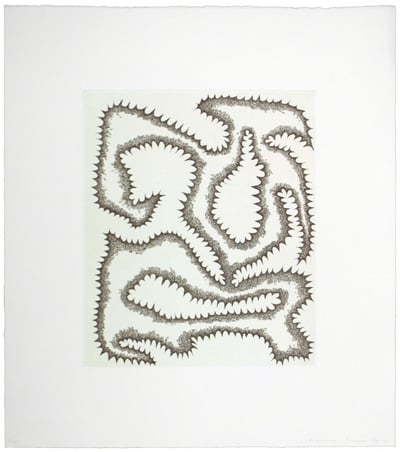
James Siena
Forma enfadada amb dents, 2013
Limited Edition Print
Etching
EUR 1,200
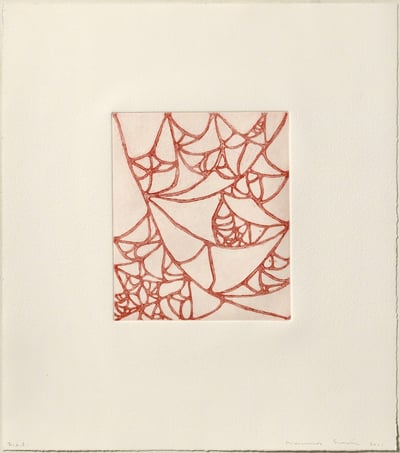
James Siena
Línies pesades i infectades , 2011
Limited Edition Print
Etching
EUR 800
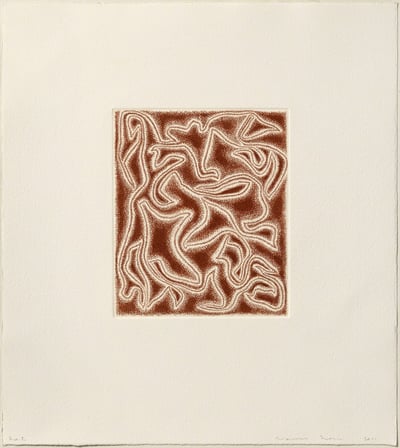
James Siena
Línies sortint de l'obscuritat, 2011
Limited Edition Print
Etching
EUR 800
Related Articles
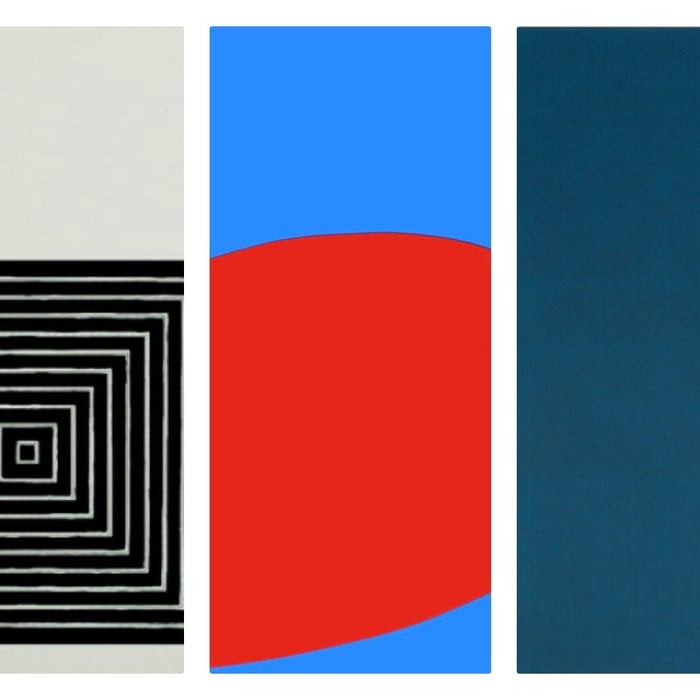

Orphism is an abstract style of painting influenced by Cubism, developed by Sonia and Robert Delaunay. The term was coined around 1912 by French poet Guillaume Apollinaire to differentiate the Delaunays' work from Cubism, emphasizing their focus on vibrant color and light. The name Orphism is inspired by the Greek musician Orpheus, symbolizing the movement's lyrical and harmonious qualities.

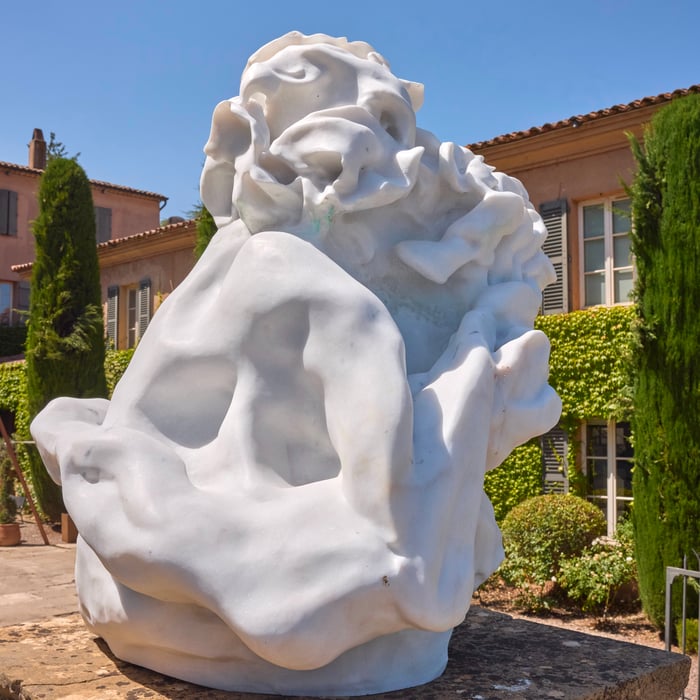
Found objects (or objet trouvé in French) are everyday items that an artist finds and incorporates into a work of art. While collectors have displayed aesthetically pleasing objects for centuries, modern art often uses objects that originally had non-artistic functions, such as recycled or repurposed materials.

Situationism is a psychological theory that gained prominence in 1968, following the publication of a monograph by Walter Mischel that sparked the Person-situation debate. This theory argues that behavior is primarily influenced by external situational factors rather than internal traits or motivations, challenging the ideas of trait theorists like Raymond B. Cattell and Hans Eysenck, who emphasized stable personality traits. It is important not to confuse this with the Situationist International movement, an artistic and political movement founded by Asger Jorn, which focused on the critique of modern consumer society and the influence of environments on human behavior.
Can't find your Answer?
Thank you! Your question has been sent — we'll get back to you shortly.
