
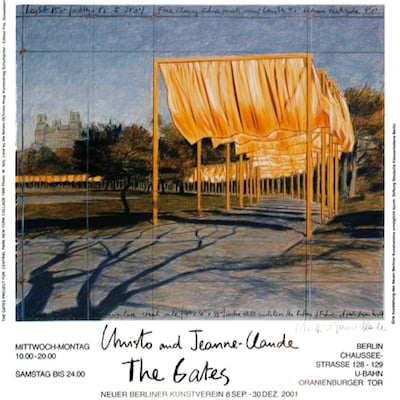
What is site specific art?
- Show All
- Established
- Discoveries
- Show All
Artworks Related to Site Specific Art

Nicolas Party
Untitled (portrait), 2014
Painting
Watercolor
GBP 23,000 - 29,900
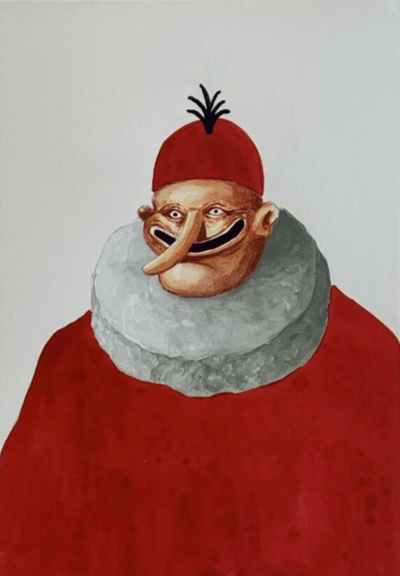
Nicolas Party
Untitled (face), 2015
Painting
Watercolor
GBP 35,000 - 45,500
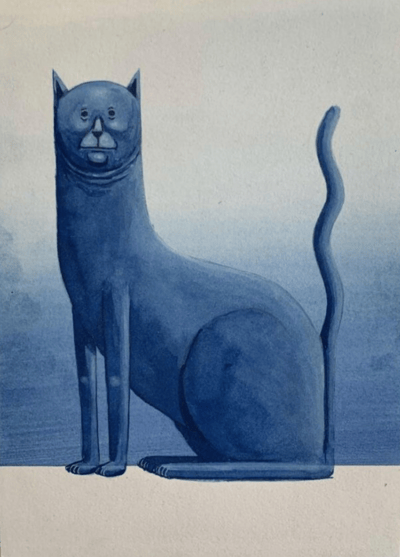
Nicolas Party
Untitled (cat), 2017
Painting
Watercolor
GBP 37,500 - 50,000

Banksy
Donuts - Strawberry, 2009
Limited Edition Print
Screen-print
Inquire For Price
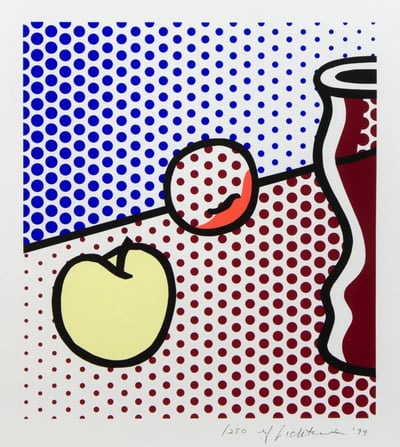
Roy Lichtenstein
Still Life with Red Jar, 1994
Limited Edition Print
Screen-print
GBP 18,500 - 24,000

Banksy
Gangsta Rat (Unsigned), 2004
Limited Edition Print
Screen-print
GBP 18,000 - 23,000

Banksy
CND Soldiers (Unsigned), 2005
Limited Edition Print
Screen-print
GBP 14,000 - 18,200
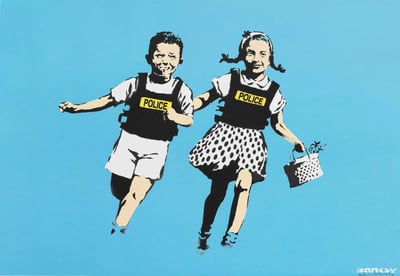
Banksy
Jack & Jill, 2005
Limited Edition Print
Screen-print
GBP 33,000 - 40,000
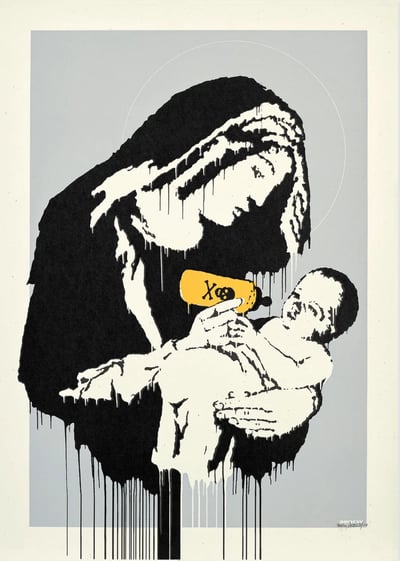
Banksy
Toxic Mary, 2003
Limited Edition Print
Screen-print
GBP 34,000 - 42,000
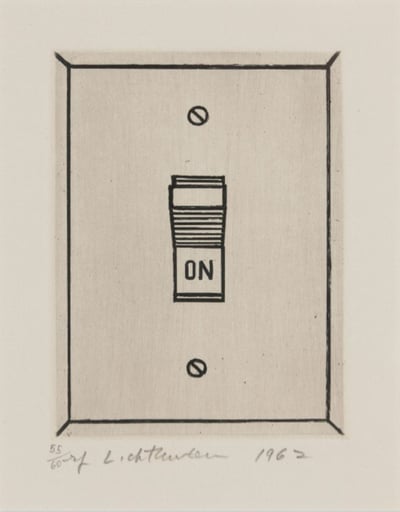
Roy Lichtenstein
On, 1962/64
Limited Edition Print
Etching
USD 25,225
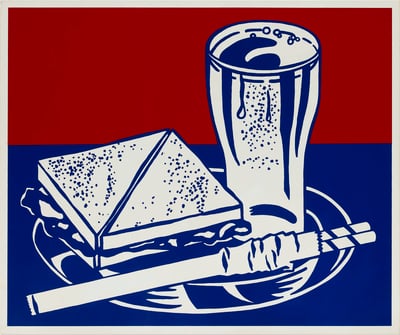
Roy Lichtenstein
Sandwich and Soda, 1964
Limited Edition Print
Screen-print
USD 19,500
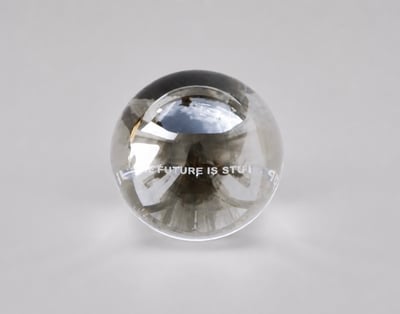
Jenny Holzer
The future is stupid, 2000
Sculpture / Object
Mixed Media
EUR 1,400
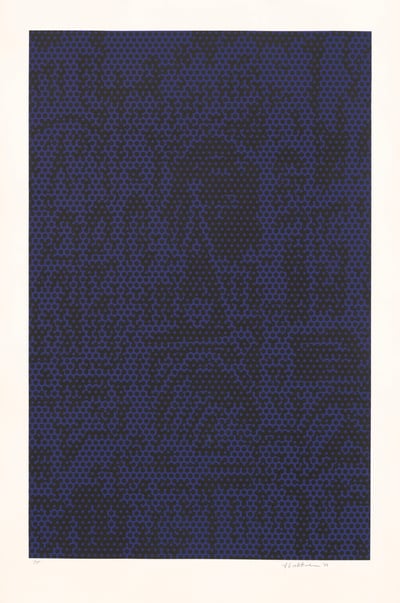
Roy Lichtenstein
Cathedral #6, 1969
Limited Edition Print
Lithograph
USD 21,200
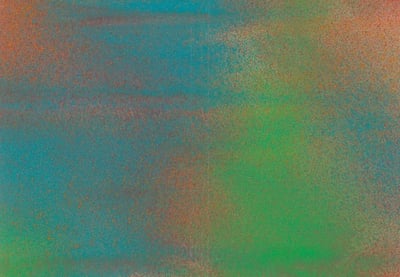
Katharina Grosse
Picture Park, 2007
Painting
Mixed Media
EUR 16,600
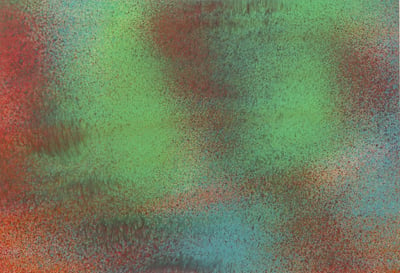
Katharina Grosse
Picture Park, 2007
Painting
Mixed Media
EUR 16,600
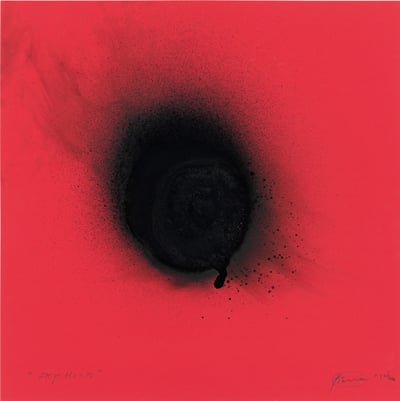
Otto Piene
Sky Hook, 2014
Painting
Gouache
Inquire For Price
Related Articles
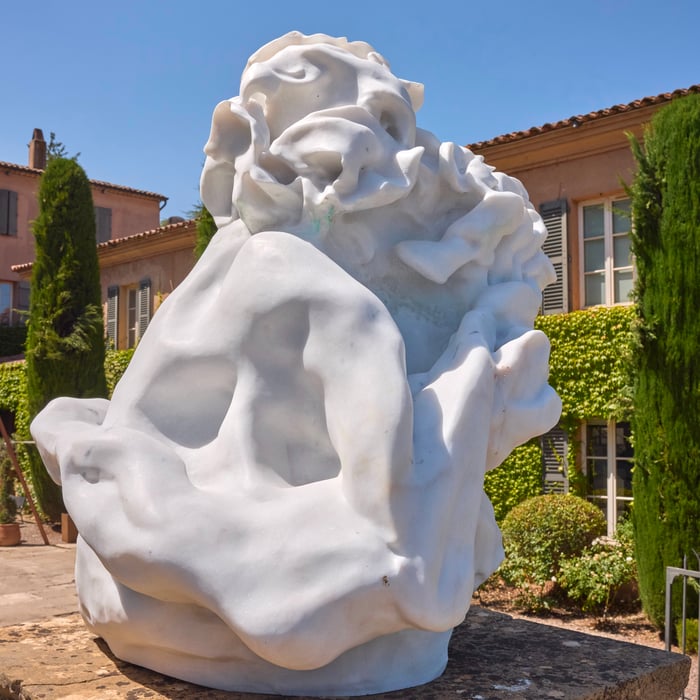

An object in art refers to any tangible thing that exists and can be depicted in a work of art. Sometimes, the object becomes the focal point of a painting, drawing, or sculpture, meaning it is the most important element in the composition. An object can be anything that can be seen or touched, and it is often used to convey meaning or emphasize certain aspects of the artwork.

Entropy, in a broader sense, refers to the inevitable deterioration or decline of a society or system. In art, the concept was popularized by artist Robert Smithson in the 1960s. He used the term to critique what he saw as the static and overly simplified nature of contemporary minimalist art. Smithson's work often explored the idea of entropy as a force of chaos and decay, contrasting with the perceived order and purity of minimalist works.

India ink is a medium made from fine soot, known as lampblack, combined with water and a binder, usually shellac, to create a black, waterproof ink. It has been used in India since the 4th century BC. Artists use India ink for writing, drawing, and painting due to its deep black color and permanence.
Can't find your Answer?
Thank you! Your question has been sent — we'll get back to you shortly.
