
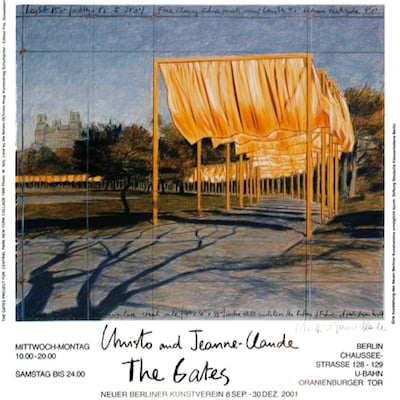
What is site specific art?
Site-Specific Art is a form of artwork created to exist in a particular location, with the artist considering the site as an integral part of the creative process. Robert Irwin was a key figure in promoting this art form in California. Site-Specific Art emerged as a reaction against modernist objects, which were often portable, commodified, and confined to museum spaces. In contrast, Site-Specific Art is inherently tied to its location, challenging the traditional notions of art as a transportable and marketable commodity.
Show All
- Show All
- Established
- Discoveries
Show All
- Show All
Artworks Related to Site Specific Art

Miguel Chevalier
Mini voxels light red, 2015
Sculpture / Object
Mixed Media
EUR 4,500
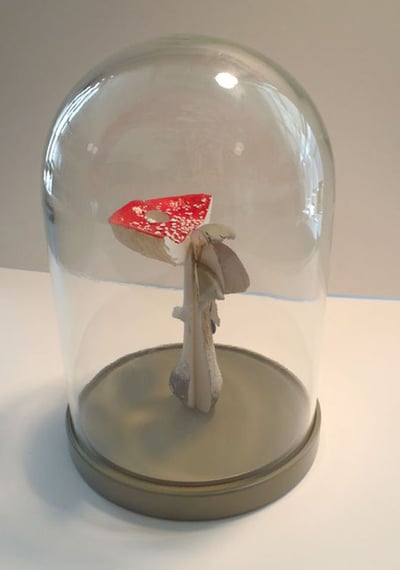
Carsten Holler
Multiple Mushroom Dome , 2012
Sculpture / Object
Mixed Media
Currently Not Available
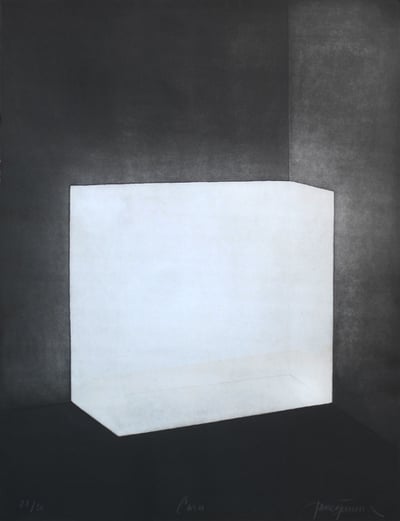
James Turrell
Carn, 1988
Limited Edition Print
Etching
Currently Not Available

Anish Kapoor
Moiré 1, 2015
Limited Edition Print
Etching
EUR 6,500

Anish Kapoor
Moiré 2, 2015
Limited Edition Print
Etching
EUR 6,500

Anish Kapoor
Moire 3, 2015
Limited Edition Print
Etching
Currently Not Available

Anish Kapoor
Moiré 4, 2015
Limited Edition Print
Etching
EUR 6,500
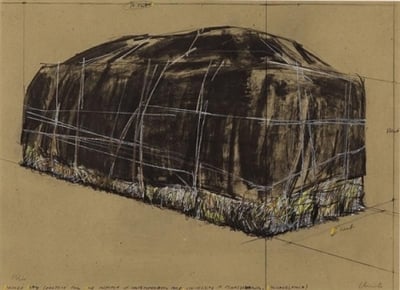
Javacheff Christo
Packed Hay, 1973
Limited Edition Print
Screen-print
EUR 3,800
Related Articles


Neo-Figurative Art is a collective term that refers to the revival of figurative art in America and Europe during the 1960s, following a period dominated by abstraction. Michel Ragon, a French art critic, argued that this resurgence of figuration occurred during a critical time of social and political upheaval in both regions.

De Stijl, meaning The Style, was a group of Dutch artists who created abstract art based on strict adherence to vertical and horizontal geometry. The group was founded by Piet Mondrian and Theo van Doesburg in 1917. Mondrian eventually left De Stijl when Van Doesburg began incorporating diagonal geometry into his work, which Mondrian felt deviated from the group's principles.

Composition refers to the arrangement of elements within an artwork. The artist carefully organizes these elements to create a harmonious or intentionally dynamic relationship. Traditional approaches to composition often follow classical, geometric principles, while contemporary movements may experiment with new arrangements and adjustments, breaking away from conventional rules to achieve different visual effects.
Can't find your Answer?
Thank you! Your question has been sent — we'll get back to you shortly.
