
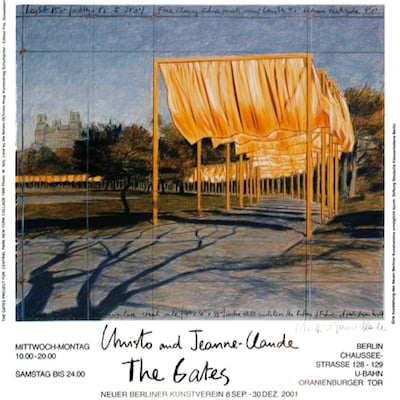
What is site specific art?
- Show All
- Established
- Discoveries
- Show All
Artworks Related to Site Specific Art

Javacheff Christo
Store Front Corridor two parts
Limited Edition Print
Silkscreen
EUR 9,800

Javacheff Christo
Wrapped Automobile, Project for Studebaker, 2015
Limited Edition Print
Collage
EUR 9,800

Olivier Mosset
Untitled (Guillotine), 2017
Limited Edition Print
Lithograph
EUR 2,000

Jannis Kounellis
Against torture
Limited Edition Print
Lithograph
Currently Not Available

Richard Long
Untitled (from Artists Against Torture portfolio), 2003
Limited Edition Print
Lithograph
EUR 2,900

Tony Cragg
Landscape
Limited Edition Print
Offset Print
Currently Not Available

Jaume Plensa
Song of Songs III, 2006
Limited Edition Print
Etching
EUR 3,125
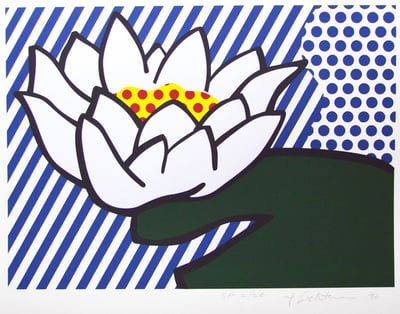
Roy Lichtenstein
Water Lily, 1993
Limited Edition Print
Screen-print
Currently Not Available

Dan Perjovschi
Calendar 2007, 2007
Limited Edition Print
Mixed Media
EUR 1,200

Javacheff Christo
5600 m3, Kassel, 1968
Limited Edition Print
Silkscreen
EUR 3,900
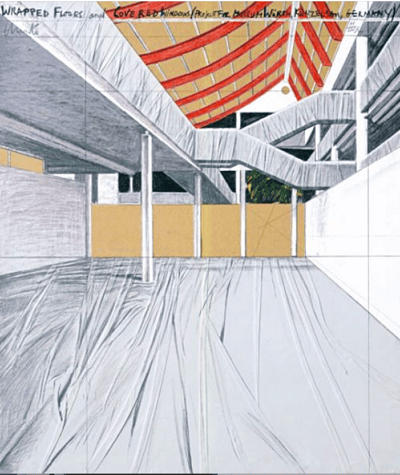
Javacheff Christo
Wrapped Floors and Covered Windows, Museum Würth, 1994
Limited Edition Print
Collage
EUR 9,800

Javacheff Christo
Toronto Edition, The Umbrellas, Japan
Photography
Photograph
Currently Not Available
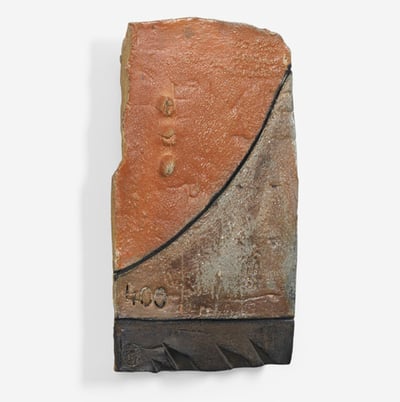
Theaster Gates
South Side Wall Sculpture
Ceramics
Ceramic
Currently Not Available

Karin Sander
Dieter Roth, Kinderbuch (1957), 2016
Drawing / Watercolor
Mixed Media
EUR 1,300
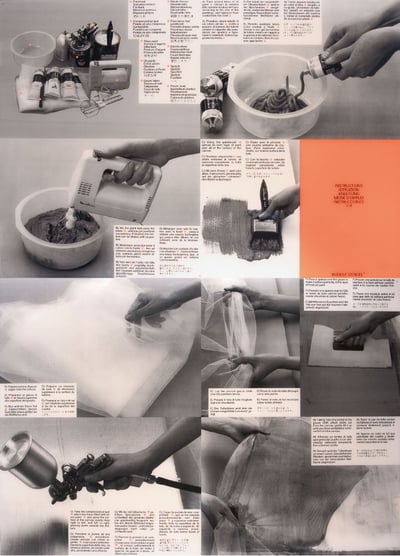
Rudolf Stingel
Instructions, 1989
Limited Edition Print
Silkscreen
Currently Not Available
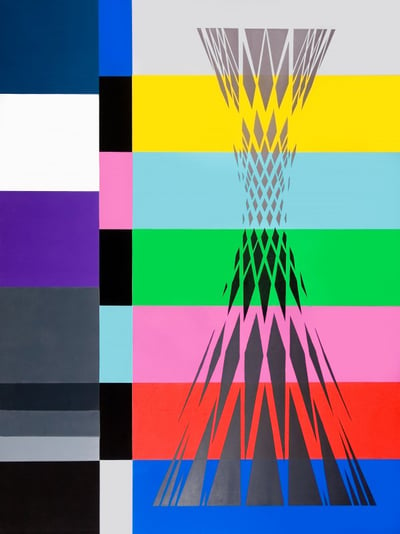
Rita McBride
Mae West, 2010
Limited Edition Print
Woodcut
EUR 15,000
Related Articles
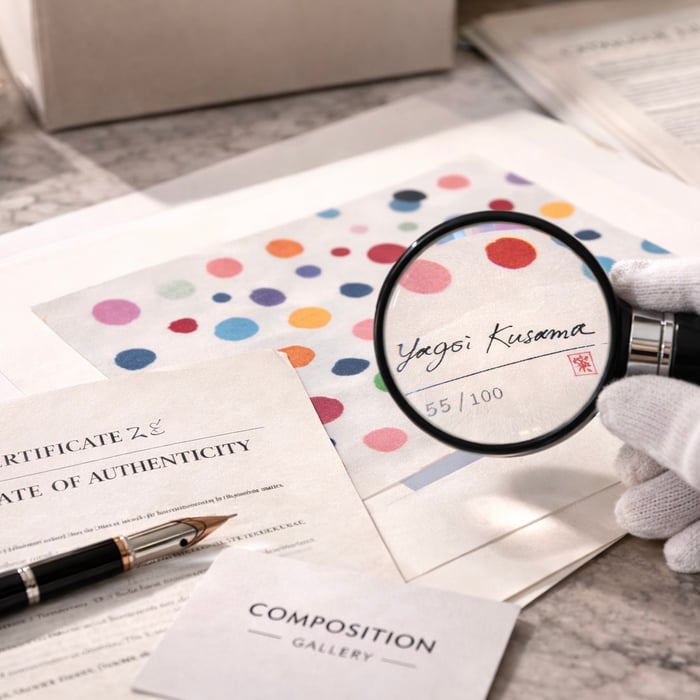

EAT (Experiments in Art and Technology) was a movement formed to foster collaborations between engineers and artists. It facilitated direct, person-to-person connections between these two groups. The movement was originally launched in 1967 by artists Robert Whitman and Robert Rauschenberg, along with engineers Fred Waldhauer and Billy Klüver. EAT carried out various projects and activities that expanded the role of artists in contemporary society, encouraging the integration of art and technology.

Colored pencils consist of a core made from various colored pigments mixed with a binder, encased in wood. They can also be found as solid pigment sticks without the wooden casing. When drawing, the pigment is transferred to a surface, allowing for lines and shading in different thicknesses.
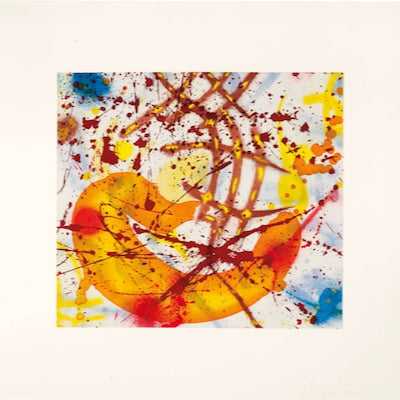
Action Painting is a style of painting where the physical act of creating art—such as gestural brushstrokes, splashing or dripping paint, or moving and dancing while applying paint—is considered essential to the artwork itself. This approach emphasizes the artist's movement and spontaneity as integral to the creative process.
Can't find your Answer?
Thank you! Your question has been sent — we'll get back to you shortly.
