
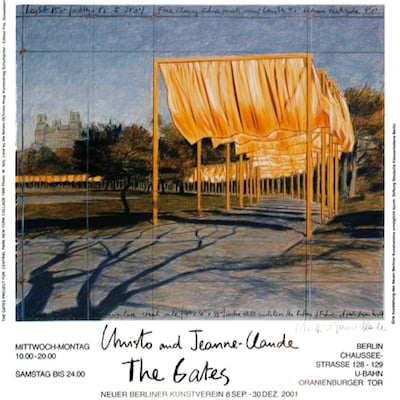
What is site specific art?
- Show All
- Established
- Discoveries
- Show All
Artworks Related to Site Specific Art
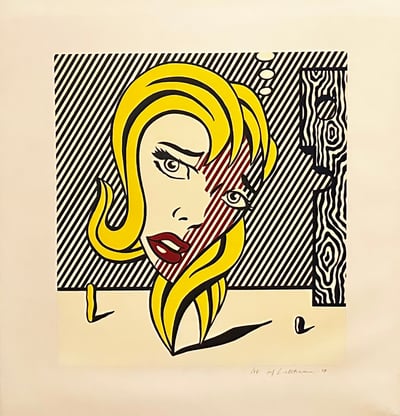
Roy Lichtenstein
Blonde, 1978
Limited Edition Print
Lithograph
USD 70,000 - 80,000

Roy Lichtenstein
Nude on Beach, from the Surrealist Series, 1978
Limited Edition Print
Lithograph
USD 20,000 - 30,000
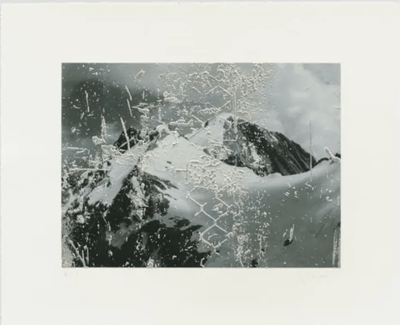
Rudolf Stingel
Untitled, 2023
Limited Edition Print
Digital print on canvas
USD 5,000 - 6,000
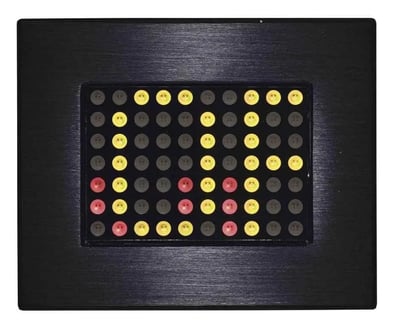
Jenny Holzer
Inflammatory Essays 5, 1979-82
Sculpture / Object
Mixed Media
USD 5,000 - 7,000

Javacheff Christo
Package on Wheelbarrow (project), 1963-2000
Drawing / Watercolor
Crayon
Inquire For Price

Miguel Chevalier
La Cannabis Sativa d’Edgar Poe Bleu Vert, 2025
Sculpture / Object
Acrylic sculpture
EUR 3,000

Miguel Chevalier
La Cannabis Sativa d’Edgar Poe Jaune Orange, 2025
Sculpture / Object
Acrylic sculpture
EUR 3,000

Roy Lichtenstein
Entablature V (Corlett 142), 1976
Limited Edition Print
Collage
USD 12,570
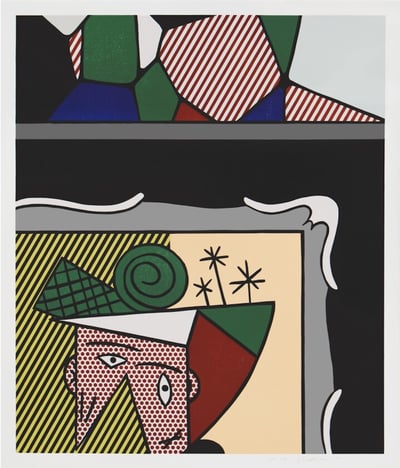
Roy Lichtenstein
Two Paintings, from the Paintings series, 1984
Limited Edition Print
Mixed Media
USD 50,000 - 60,000

Roy Lichtenstein
Illustration for 'Une Fenêtre ouverte sur Chicago' (Corlett 271), 1992
Limited Edition Print
Etching and Aquatint
USD 13,250
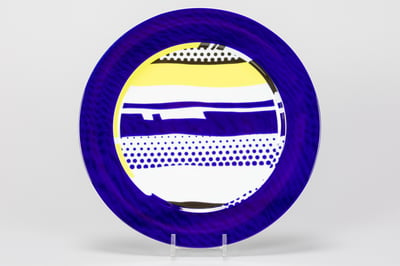
Roy Lichtenstein
Rosenthal plate 2, 2000
Sculpture / Object
Plate
EUR 750

Javacheff Christo
Wrapped Woman, 1973
Limited Edition Print
Screen-print
USD 2,690

Nicolas Party
Elephant, 2012
Sculpture / Object
Mixed Media
Inquire For Price

Javacheff Christo
Texas Mastaba, Project For 500,000 Stacked Oil Drums, 1971
Limited Edition Print
Lithograph
USD 1,550

Roy Lichtenstein
Untitled Plate (Waterlily), 1990
Ceramics
Plate
USD 2,500

Jaume Plensa
The people are their own liberators, 2022
Limited Edition Print
Relief printing
Inquire For Price
Related Articles
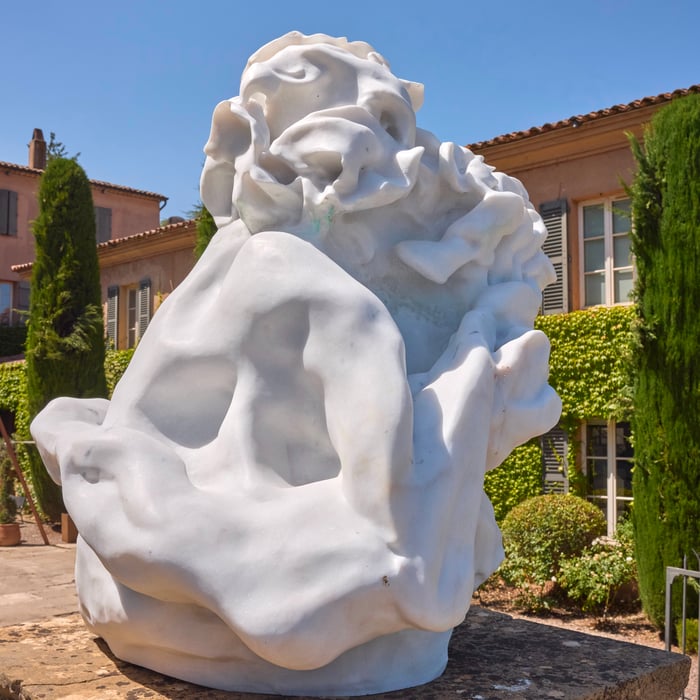


A maquette is a small-scale model of a sculpture that serves as a preliminary version of the final piece. It allows the artist to experiment with ideas and make adjustments without the expense and effort of creating a full-sized sculpture.

Oil on board is a painting technique where oil paint is applied to either wood panels that have been sanded and primed or high-density cardboard covered with canvas. These surfaces offer the advantage of being more compact for storage compared to traditional stretched canvas on frames, while still providing a stable surface for painting.
Tansaekhwa, also known as monochrome painting, is a movement in Korean art that began in the mid-1970s. These artworks are characterized by the manipulation of painting materials, such as pushing paint, soaking the canvas, ripping paper, or other techniques that alter the medium. Tansaekhwa emphasizes texture, materiality, and the physical process of creating the artwork.
Can't find your Answer?
Thank you! Your question has been sent — we'll get back to you shortly.
