
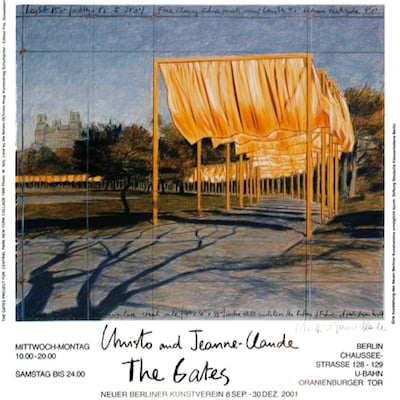
What is site specific art?
- Show All
- Established
- Discoveries
- Show All
Artworks Related to Site Specific Art
Roy Lichtenstein
Private Listing
Limited Edition Print
Roy Lichtenstein
Private Listing
Limited Edition Print

Roy Lichtenstein
Untitled I, 1980
Limited Edition Print
Etching and Aquatint
USD 20,650
Roy Lichtenstein
Private Listing
Sculpture / Object
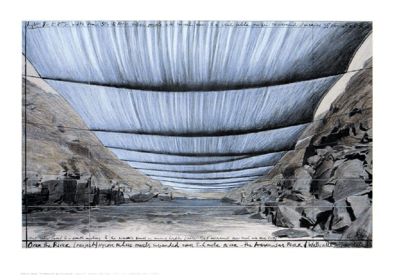
Javacheff Christo
Over The River Project V Under, 1992
Limited Edition Print
Offset Print
USD 1,450

Javacheff Christo
Over The River Project V, 1992
Limited Edition Print
Offset Print
USD 1,400
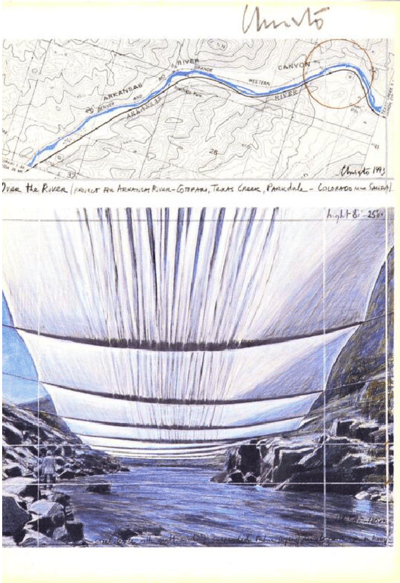
Javacheff Christo
Over The River Project IV, 1993
Limited Edition Print
Offset Print
USD 1,400

Javacheff Christo
Over The River Project III, 1993
Limited Edition Print
Offset Print
USD 1,400

Nicolas Party
Untitled (Artist's Blanket), 2017
Tapestry
Tapestry
USD 2,500
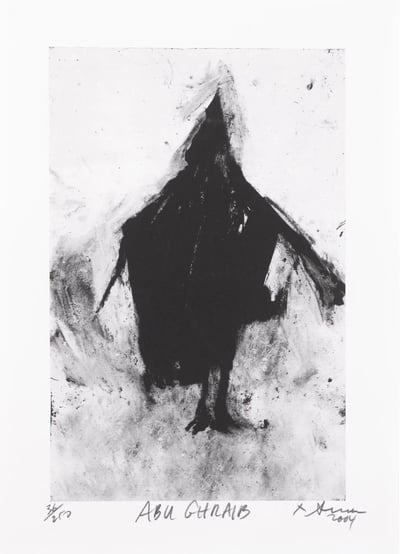
Richard Serra
Abu Ghraib, 2004
Limited Edition Print
Lithograph
Inquire For Price

Anish Kapoor
Glow for Maggie, 2020
Limited Edition Print
Etching
EUR 5,000
Roy Lichtenstein
Private Listing
Limited Edition Print

Javacheff Christo
Wrapped Trees Portfolio, 1997-1998
Limited Edition Print
Photograph
EUR 15,500
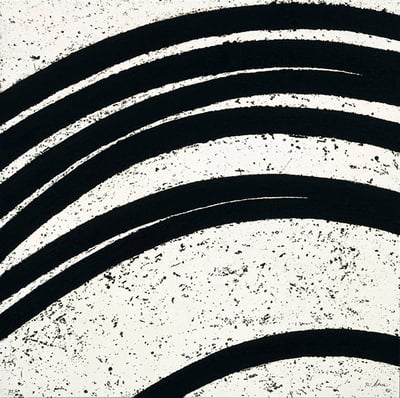
Richard Serra
Between the Torus and the Sphere III, 2006
Limited Edition Print
Etching
EUR 20,000 - 30,000

Richard Serra
Between the Torus and the Sphere IV, 2006
Limited Edition Print
Etching
EUR 20,000 - 30,000
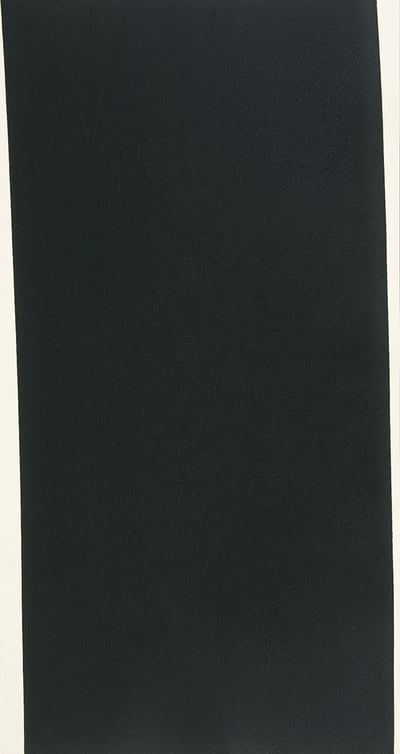
Richard Serra
Transversal #4, 2004
Limited Edition Print
Etching
EUR 35,000 - 50,000
Related Articles
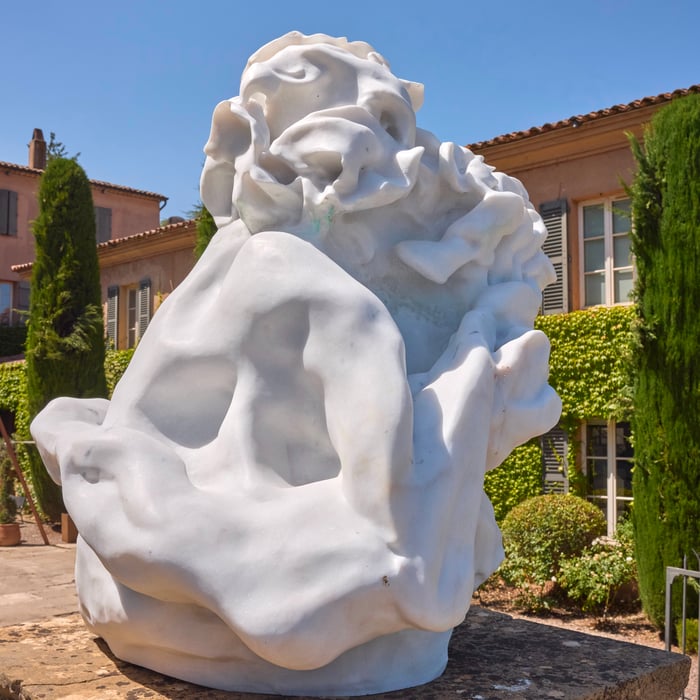
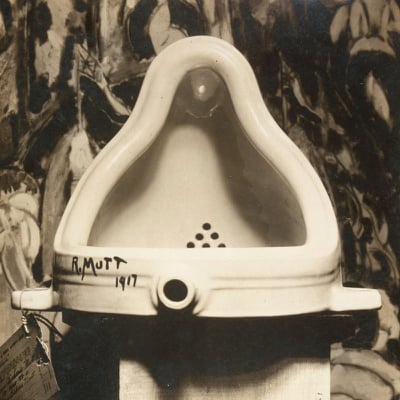
A found object is a term used to describe a man-made or natural object, or a fragment of one, that an artist discovers or purchases and keeps for inspiration or as a work of art. The artist may also modify the object or incorporate it into a collage or assemblage, transforming it into a new piece of art.

A maquette is a small-scale model of a sculpture that serves as a preliminary version of the final piece. It allows the artist to experiment with ideas and make adjustments without the expense and effort of creating a full-sized sculpture.
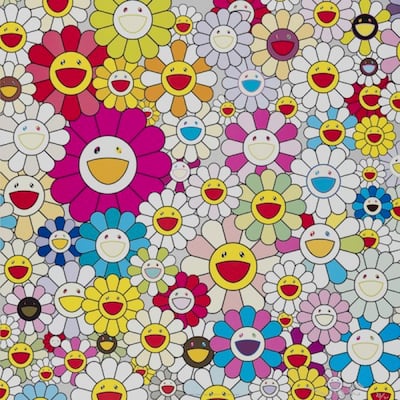
Superflat is an art movement founded by Takashi Murakami, heavily influenced by anime and manga. The term Superflat refers to the flattened forms found in Japanese animation, graphic art, fine arts, and pop culture, as well as the perceived superficiality of Japanese culture. Murakami's movement, which he self-proclaimed, is considered postmodern and critiques both the depth and shallowness of contemporary Japanese society. Superflat has been highly influential in bridging the gap between high art and popular culture.
Can't find your Answer?
Thank you! Your question has been sent — we'll get back to you shortly.
