
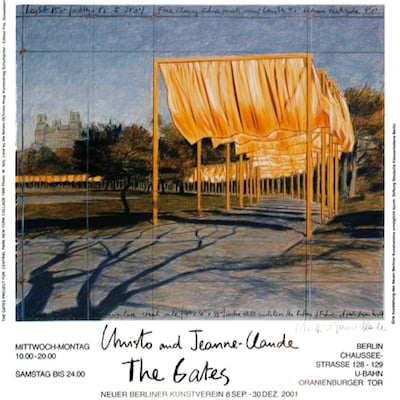
What is site specific art?
- Show All
- Established
- Discoveries
- Show All
Artworks Related to Site Specific Art
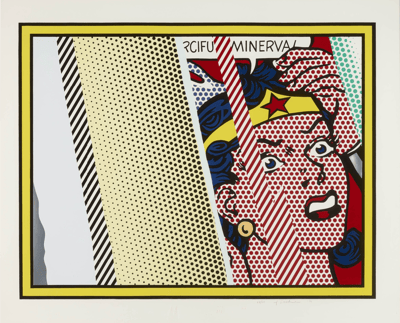
Roy Lichtenstein
Reflections on Minerva, 1990
Limited Edition Print
Mixed Media
Inquire For Price
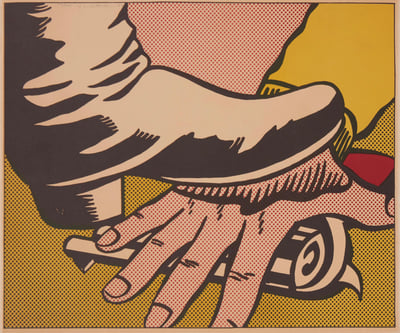
Roy Lichtenstein
Foot and Hand, 1964
Limited Edition Print
Offset Print
Inquire For Price
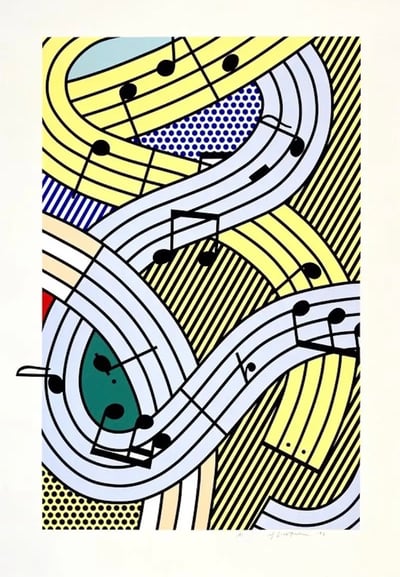
Roy Lichtenstein
Composition III, 1996
Limited Edition Print
Screen-print
Inquire For Price
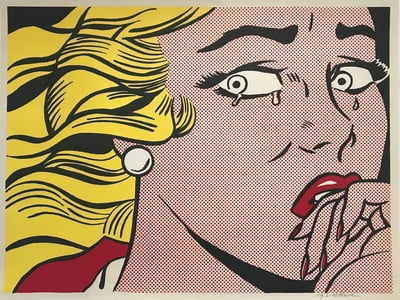
Roy Lichtenstein
Crying Girl, 1963
Limited Edition Print
Offset Print
Currently Not Available
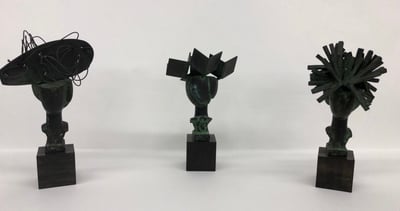
Manolo Valdés
Las Damas De Barajas, 2006
Sculpture / Object
Bronze
EUR 23,890

Roy Lichtenstein
Pistol (from Banner, Multiples Calendar, 1968
Limited Edition Print
Screen-print
USD 4,600

Manolo Valdés
La Donna Italiana (Helene), 2005
Limited Edition Print
Collage
EUR 4,375

Jaume Plensa
Wilsis in black and white, 2022
Limited Edition Print
Lithograph
EUR 3,750
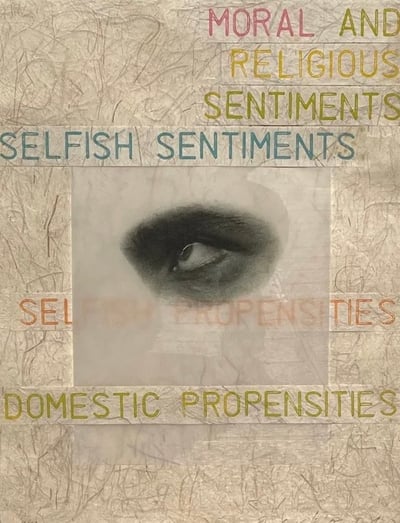
Jaume Plensa
Domestic Propensities 5. Moral and religious feelings, 2002
Limited Edition Print
Collage
EUR 2,650

Jaume Plensa
Domestic Propensities 1. Love of home, 2002
Limited Edition Print
Collage
EUR 2,650

Jaume Plensa
Interior III, 1991
Limited Edition Print
Collage
EUR 2,650
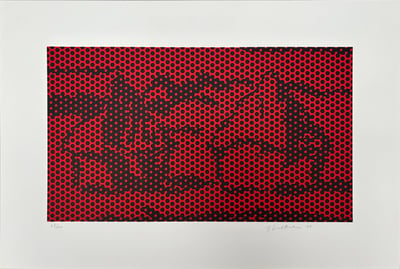
Roy Lichtenstein
Haystack #6, 1969
Limited Edition Print
Lithograph
USD 19,500

Roy Lichtenstein
Fish and Sky, 1967
Limited Edition Print
Mixed Media
EUR 10,200
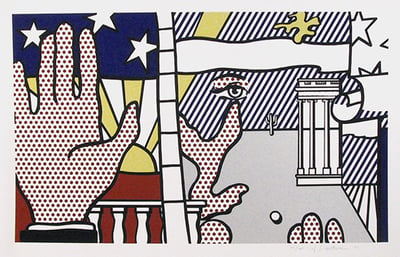
Roy Lichtenstein
Inaugural Print from the Inaugural Impressions portfolio, 1977
Limited Edition Print
Screen-print
USD 25,000 - 35,000
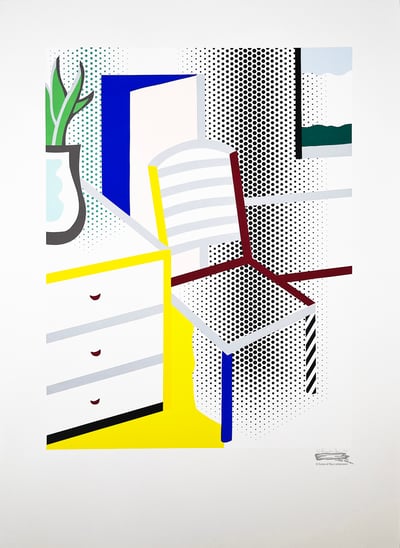
Roy Lichtenstein
Interior with Chair from the Leo Castelli 90th Birthday portfolio, 1997
Limited Edition Print
Screen-print
USD 30,000 - 40,000
Roy Lichtenstein
Private Listing
Limited Edition Print
Related Articles
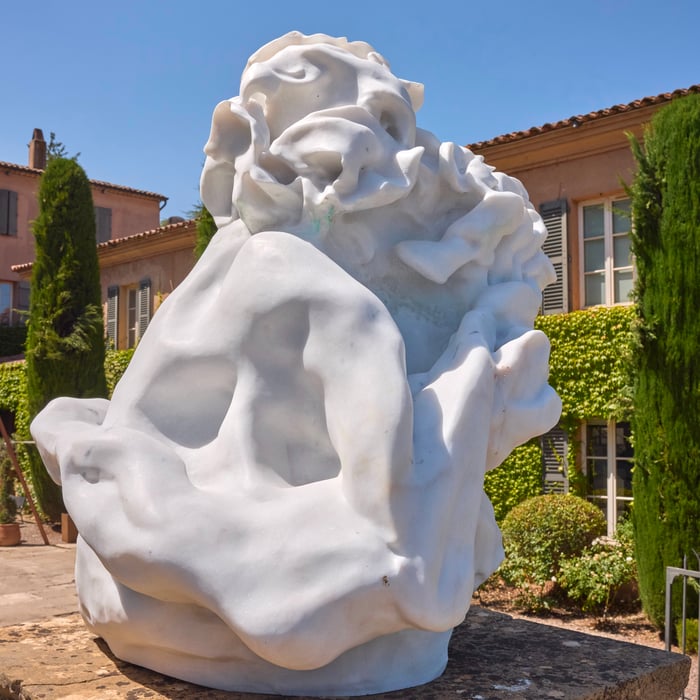
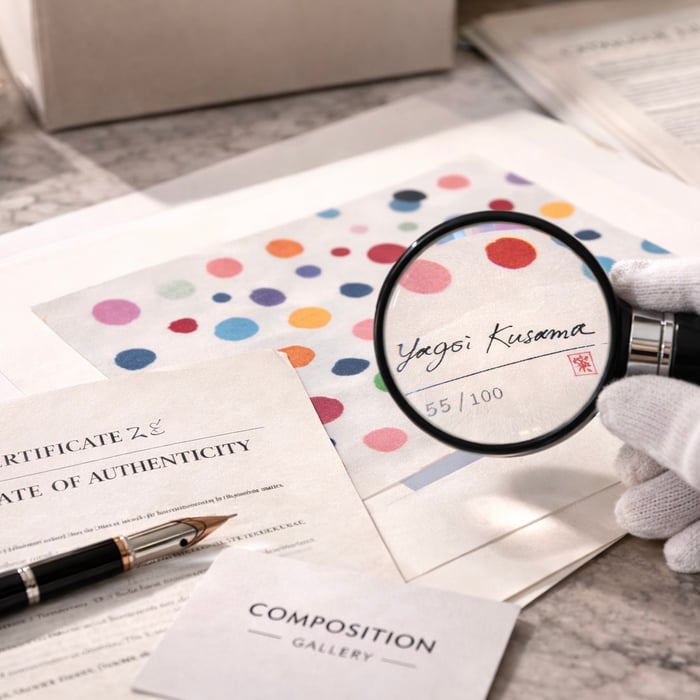

Décollage is an art technique involving the removal, cutting, or tearing away of parts of an original image. The term comes from the French word meaning to take off or to unstick. Artists use this method to challenge or replace existing values, often symbolically tearing away influences from media or conventional thinking.

Gouache is an opaque watercolor paint that allows artists to layer from light to dark. Unlike traditional transparent watercolors, gouache is used for creating solid, vibrant colors. It belongs to the water-media category and is made of pigment, a binding agent, and an inert material, specifically designed for opaque painting.

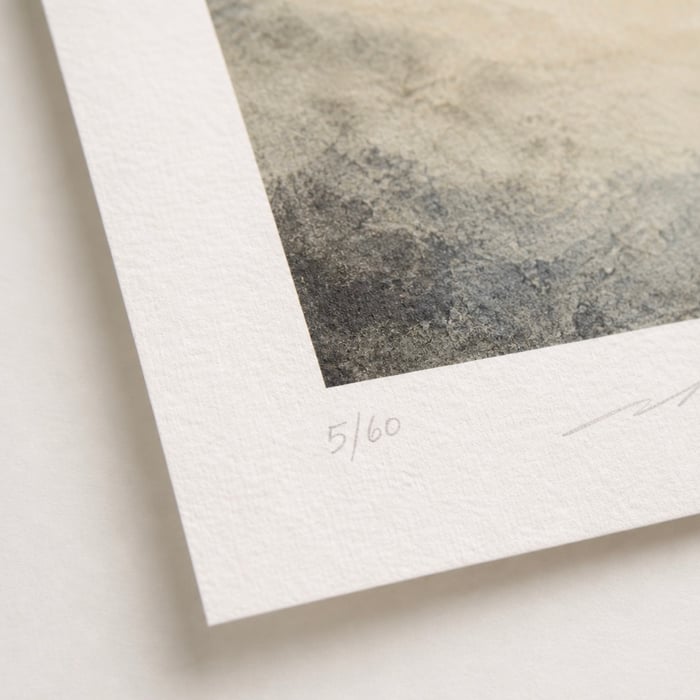
Recto and verso are terms used to describe the right and left pages of an open book, or the front and back of a sheet of paper. In both cases, recto refers to the right-hand page or the front of the paper, while verso refers to the left-hand page or the back of the paper. These terms are commonly used in bookbinding, printmaking, and art to distinguish between the two sides of a sheet.
Can't find your Answer?
Thank you! Your question has been sent — we'll get back to you shortly.
