
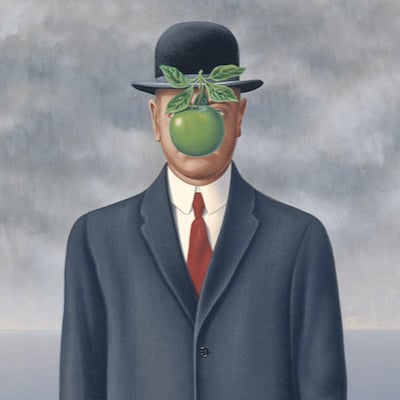
What is Surrealism?
- Show All
- Established
- Discoveries
- Show All
Artworks Related to Surrealism
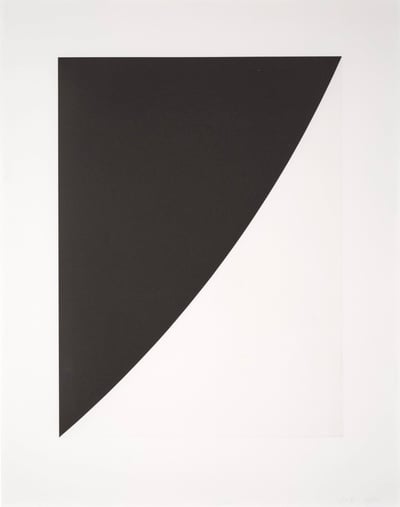
Ellsworth Kelly
Black Variation I, 1973-75
Limited Edition Print
Lithograph
USD 22,000 - 27,000

Joan Miró
Le Lézard aux plumes d'or (book), 1971
Limited Edition Print
Lithograph
EUR 28,000 - 35,000

Jorge Macchi
Agua de Jamaica, 2023
Limited Edition Print
Lithograph
EUR 1,200

Jorge Macchi
Islas vírgenes, 2023
Limited Edition Print
Lithograph
EUR 1,200

Pablo Picasso
Face with palm-leaves #366, 1956
Ceramics
Plate
USD 17,900

Pablo Picasso
Face With Circles R140, 1969
Ceramics
Ceramic
USD 15,500
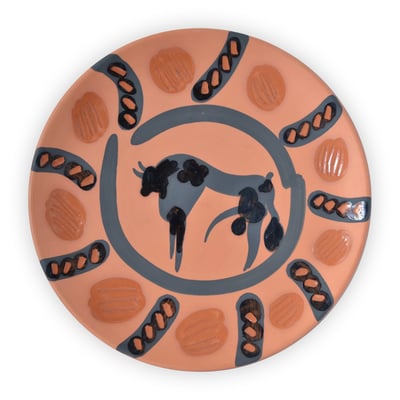
Pablo Picasso
Bull #392 R529, 1957
Ceramics
Plate
USD 15,900
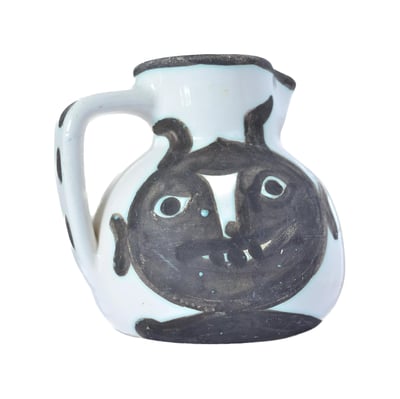
Pablo Picasso
Heads #367 (Ceramic Pitcher), 1956
Ceramics
Ceramic
USD 6,400

Pablo Picasso
Big Fish #332 B95, 1956
Ceramics
Plate
USD 17,800

Pablo Picasso
Picador, 1952
Ceramics
Plate
USD 6,700

Marc Chagall
The infant being revived by Elijah - MCH84
Limited Edition Print
Etching
USD 8,600

Marc Chagall
Joshua reading The Word Of The Law - MCH47
Limited Edition Print
Etching
USD 8,600

Marc Chagall
The suffering of Jeremiah - MCH103
Limited Edition Print
Etching
USD 8,600

Marc Chagall
L’Abre Fleuri - M915, 1977
Limited Edition Print
Lithograph
USD 11,900

Marc Chagall
Odyssey - M754
Limited Edition Print
Lithograph
USD 14,250

Marc Chagall
Enchanted Flute - M665
Limited Edition Print
Lithograph
USD 14,500
Related Articles

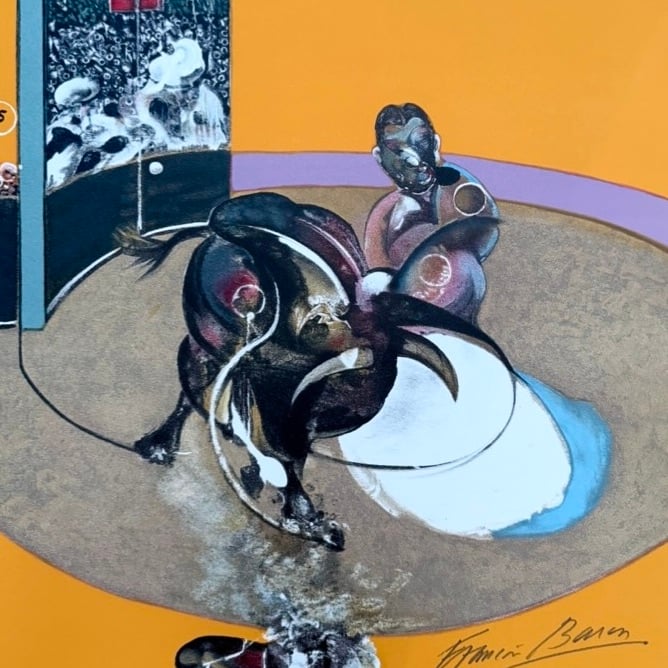


Cubism is an art movement that aimed to depict multiple perspectives of objects or figures within a single picture. Artists Georges Braque and Pablo Picasso pioneered this style around 1907. The name Cubism emerged from their use of geometric shapes and outlines that often resembled cubes, breaking objects down into abstracted forms.
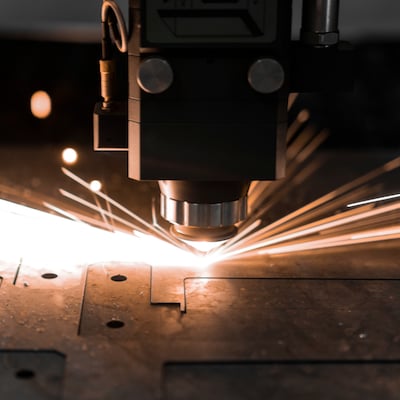
Metalcut was a relief printing technique used primarily in Europe from around 1450 to 1540. The technique involved using thin metal plates. One method involved cutting or hammering away parts of the plate that were not intended to print, while the other method used engraving to create white lines on a black background.

Monoprinting is a printmaking technique where a single impression is created from a re-printable surface, such as a lithographic stone, wood block, or metal plate. Unlike traditional printmaking, where multiple copies are produced, monoprinting results in a unique image. Techniques used in monoprinting include etching, lithography, and woodcut, but the key characteristic is that each print is one-of-a-kind.
Can't find your Answer?
Thank you! Your question has been sent — we'll get back to you shortly.
