
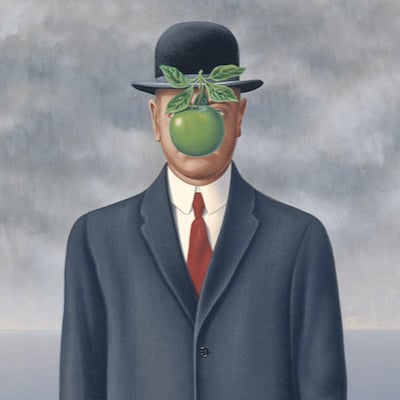
What is Surrealism?
- Show All
- Established
- Discoveries
- Show All
Artworks Related to Surrealism

Robert Motherwell
Harvest with two white stripes, 1973
Limited Edition Print
Lithograph
Inquire For Price

Louise Nevelson
Nursery rhyme, 1966
Limited Edition Print
Serigraph
Inquire For Price

Louise Nevelson
Dark song, 1966
Limited Edition Print
Serigraph
Currently Not Available

Liliana Porter
Mask, 2019
Limited Edition Print
Etching
EUR 1,800

Liliana Porter
Correction, 2019
Limited Edition Print
Etching
EUR 1,800

Liliana Porter
Black drips, 2019
Limited Edition Print
Etching
Currently Not Available
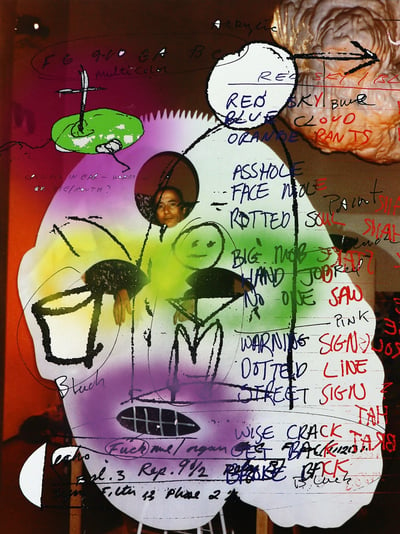
Tony Oursler
Ear Worm, 1976/2013
Limited Edition Print
Digital Print on paper
Currently Not Available
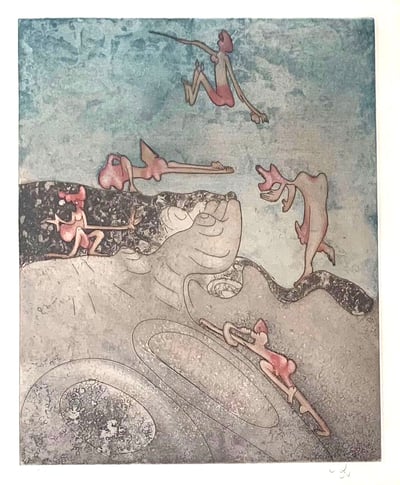
Roberto Matta
Untitled (from Così Fan Tutte) #7, 1970
Limited Edition Print
Etching and Aquatint
USD 1,875

Roberto Matta
Untitled (from Così Fan Tutte) #6, 1970
Limited Edition Print
Etching and Aquatint
USD 1,875

Roberto Matta
Untitled (from Così Fan Tutte) #5, 1970
Limited Edition Print
Etching and Aquatint
USD 1,875

Roberto Matta
Untitled (from Così Fan Tutte) #4, 1970
Limited Edition Print
Etching
USD 1,875

Roberto Matta
Untitled (from Così Fan Tutte) #3, 1970
Limited Edition Print
Etching and Aquatint
USD 1,875

Roberto Matta
Untitled (from Così Fan Tutte) #2, 1970
Limited Edition Print
Etching and Aquatint
USD 1,875

Roberto Matta
Untitled (from Così Fan Tutte) #1, 1970
Limited Edition Print
Etching and Aquatint
USD 1,875
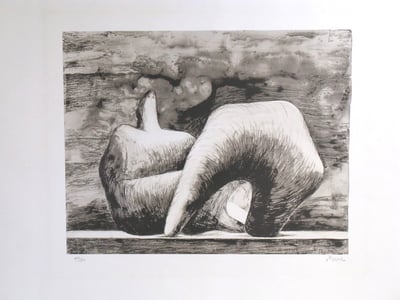
Henry Moore
Reclining figure pointed C. 543, 1979
Limited Edition Print
Lithograph
USD 6,790

Man Ray
Queen of Spades, 1970
Limited Edition Print
Etching
USD 1,450
Related Articles

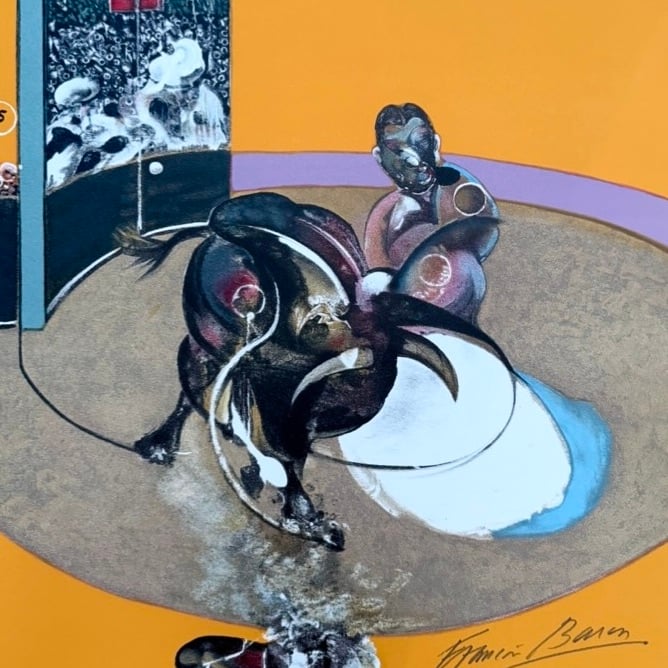


Situationism is a psychological theory that gained prominence in 1968, following the publication of a monograph by Walter Mischel that sparked the Person-situation debate. This theory argues that behavior is primarily influenced by external situational factors rather than internal traits or motivations, challenging the ideas of trait theorists like Raymond B. Cattell and Hans Eysenck, who emphasized stable personality traits. It is important not to confuse this with the Situationist International movement, an artistic and political movement founded by Asger Jorn, which focused on the critique of modern consumer society and the influence of environments on human behavior.

In art, an edition refers to the total number of identical or closely similar items produced as a set. This often applies to prints, such as lithographs, where multiple copies are made from a single original. An edition can also refer to works that are closely related to the original version of an artwork, such as variations or replicas.
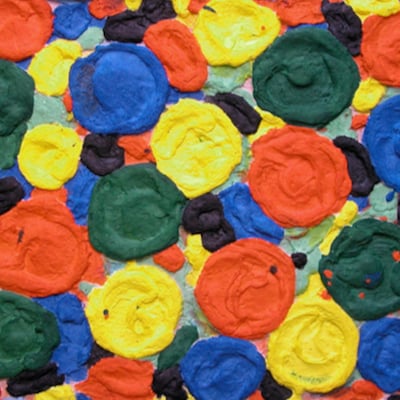
Aquagravure is a technique that combines multiple processes. It involves compressing wet paper pulp in a carved wood mold until the water drains off. The compressed paper is then painted, and ink is added to the mold to print onto the painted paper. The final work is allowed to dry. This method results in a unique textural and visual effect, blending elements of printmaking and papermaking.
Can't find your Answer?
Thank you! Your question has been sent — we'll get back to you shortly.
