
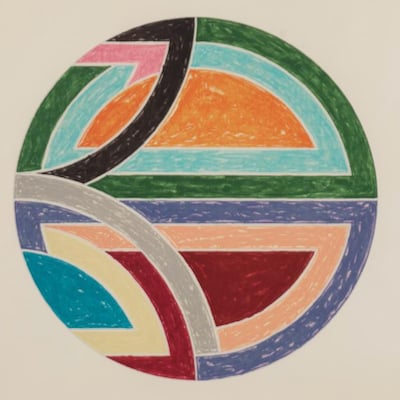
Who are the American Abstract Artists (AAA) ?
- Show All
- Established
- Discoveries
- Show All
Artworks Related to American Abstract Artists (AAA)
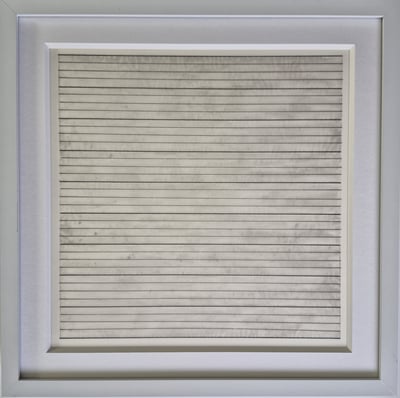
Agnes Martin
Untitled 4 (from Paintings and Drawings: 1974-1990), 1991
Limited Edition Print
Lithograph
EUR 2,000

Agnes Martin
Untitled 3 (from Paintings and Drawings: 1974-1990), 1991
Limited Edition Print
Lithograph
EUR 2,000

Agnes Martin
Untitled 2 (from Paintings and Drawings: 1974-1990), 1991
Limited Edition Print
Lithograph
EUR 2,000
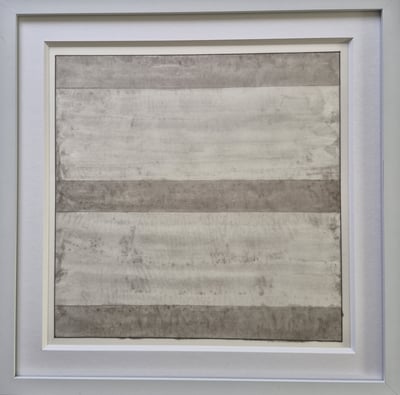
Agnes Martin
Untitled 1 (from Paintings and Drawings: 1974-1990), 1991
Limited Edition Print
Lithograph
EUR 2,000

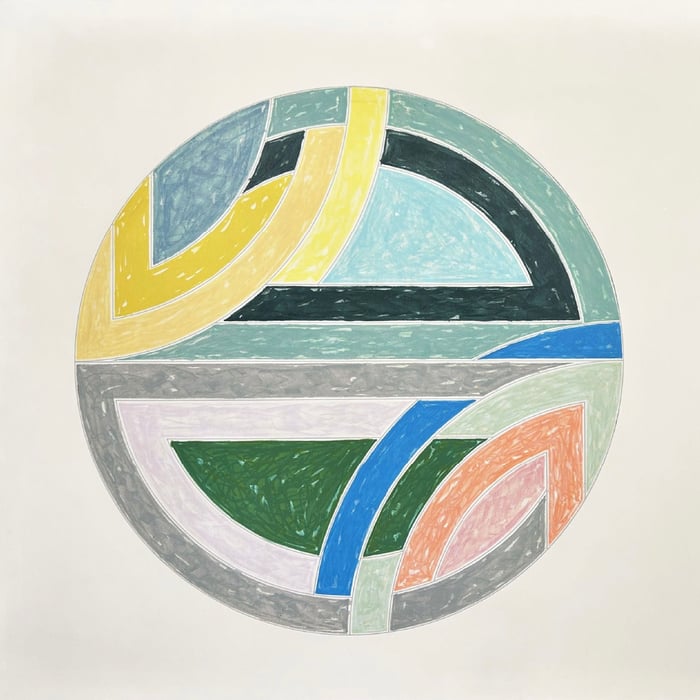
Ellsworth Kelly
Conques (from the Third Curve series), 1976
Limited Edition Print
Lithograph
USD 7,390

Ellsworth Kelly
Black/Brown, 1970–72
Limited Edition Print
Lithograph
USD 7,390

Willem de Kooning
Rainbow: Thelonious Monk Devil at the Keyboard, 1972/76
Limited Edition Print
Lithograph
Currently Not Available

Ross Bleckner
Untitled, 2001
Painting
Mixed Media
Inquire For Price

Louise Bourgeois
Untitled (Undulating Ribbon), 1997
Drawing / Watercolor
Mixed Media
Inquire For Price

Ellsworth Kelly
Orange and Blue over Yellow, 1964-65
Limited Edition Print
Lithograph
USD 20,000 - 25,000

Helen Frankenthaler
Reflections IX, 1995
Limited Edition Print
Lithograph
USD 7,150

Willem de Kooning
Untitled from Self Portrait in a Convex Mirror, 1984
Limited Edition Print
Lithograph
Inquire For Price

Frank Stella
Had Gadya: Front Cover, from Illustrations after El Lissitzky's Had Gadya, 1984
Limited Edition Print
Collage
USD 19,850

Helen Frankenthaler
Solar Imp, 2001
Limited Edition Print
Screen-print
Currently Not Available

Robert Motherwell
Newport Opera, 1979
Limited Edition Print
Offset Print
USD 2,310

Donald Judd
A Group of 4 Aquatints 1, 1978-79
Limited Edition Print
Aquatint
Currently Not Available
Related Articles
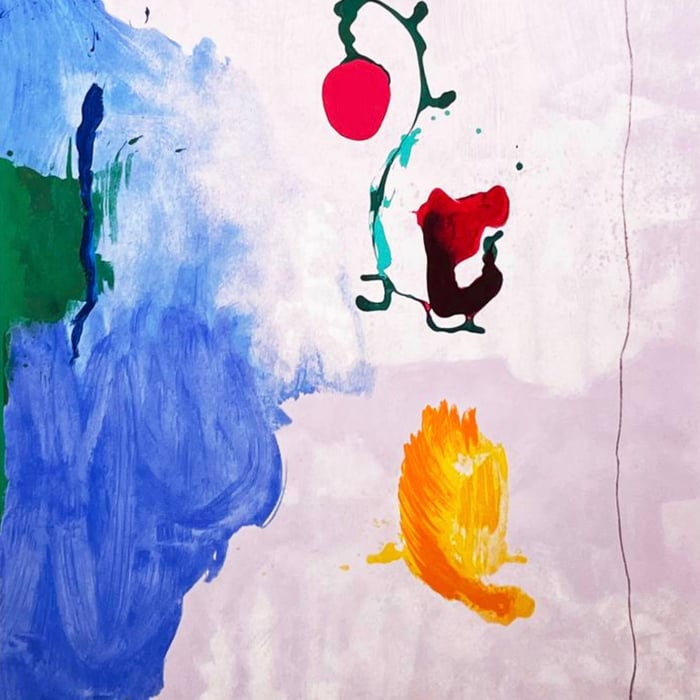

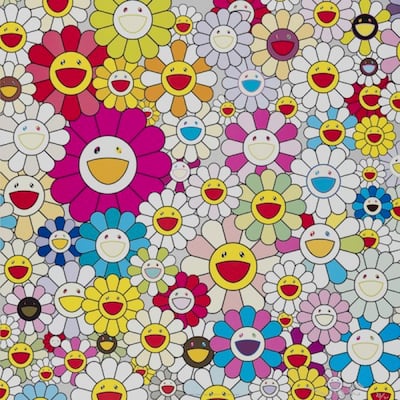
Superflat is an art movement founded by Takashi Murakami, heavily influenced by anime and manga. The term Superflat refers to the flattened forms found in Japanese animation, graphic art, fine arts, and pop culture, as well as the perceived superficiality of Japanese culture. Murakami's movement, which he self-proclaimed, is considered postmodern and critiques both the depth and shallowness of contemporary Japanese society. Superflat has been highly influential in bridging the gap between high art and popular culture.

Conté is a vivid, waxy crayon invented by Nicolas-Jacques Conté in 1795. Artists use Conté crayons for detailed drawing, shading large areas, and blending colors. The tips can be sharpened with sanding pads for precision, or the sides can be dragged flat for broad shading.

Known as Neo-Geo for short, this movement uses geometric objects and shapes to create abstract artwork as a metaphor for society. Inspired by various 20th-century art styles, including minimalism and pop art, Neo-Geo emerged in the 1980s as a response to the industrialization and commercialization of the modern world. The movement reflects on the impact of mass production, consumerism, and technology, often critiquing the superficiality of contemporary culture through its abstract, geometric compositions.
Can't find your Answer?
Thank you! Your question has been sent — we'll get back to you shortly.
