

Light Flower, 2019
Form
Medium
Size
- Inches
- Centimeters
Edition
Price
- Authenticity Guaranteed
- Insured Shipping
- Online Since 2005

Ross Bleckner
Untitled, 2001
Painting
Mixed Media
Inquire For Price
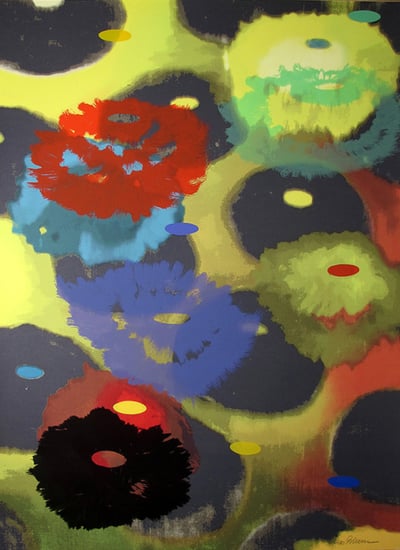
Ross Bleckner
PS III, 1997
Limited Edition Print
Screen-print
USD 3,575
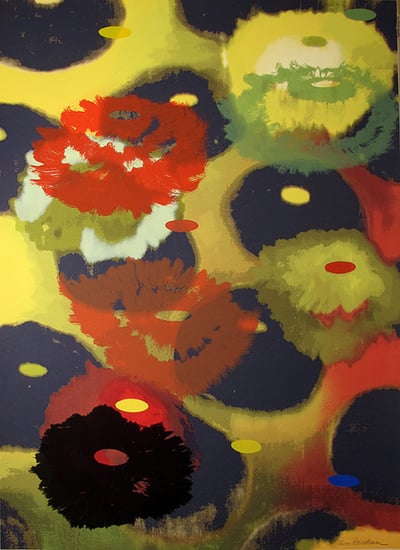
Ross Bleckner
PS I, 1997
Limited Edition Print
Screen-print
USD 3,575

Ross Bleckner
September 23rd bis (variant 4), 2016
Limited Edition Print
Lithograph
EUR 1,800

Ross Bleckner
September 23rd bis (variant 5), 2016
Limited Edition Print
Lithograph
EUR 1,800

Ross Bleckner
September 23rd bis (variant 6), 2016
Limited Edition Print
Lithograph
EUR 1,800

Ross Bleckner
September 23rd bis (variant 3), 2016
Limited Edition Print
Lithograph
EUR 1,800
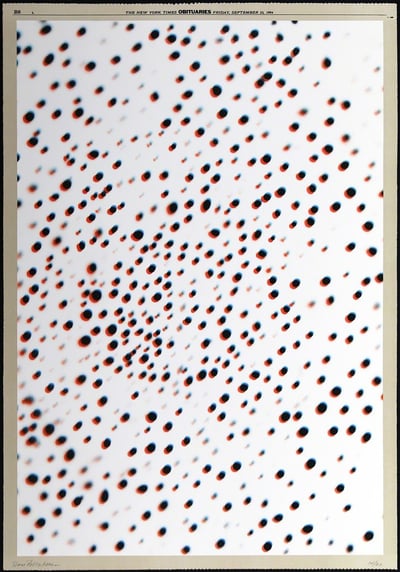
Ross Bleckner
September 23rd, 2016
Limited Edition Print
Lithograph
EUR 1,800
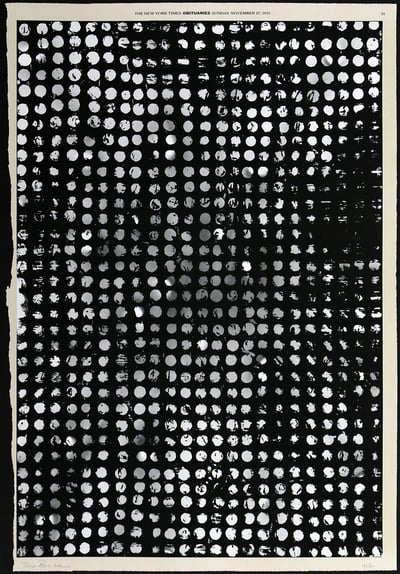
Ross Bleckner
November 27th, 2016
Limited Edition Print
Lithograph
EUR 1,800
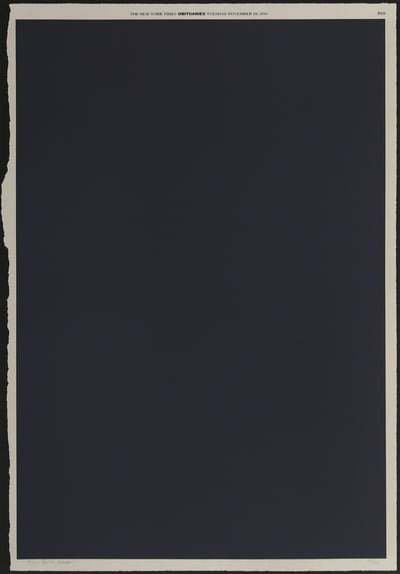
Ross Bleckner
November 29th, 2016
Limited Edition Print
Lithograph
EUR 1,800
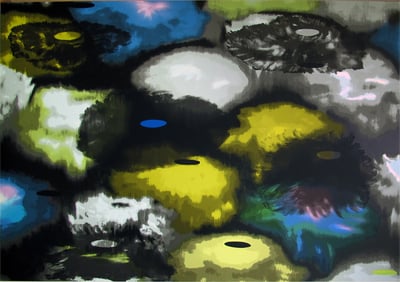
Ross Bleckner
Dream and Do I, 1997
Limited Edition Print
Screen-print
USD 3,400

Ross Bleckner
Dream and Do II, 1997
Limited Edition Print
Screen-print
USD 3,400

Ross Bleckner
September 23rd bis (variant 1), 2016
Limited Edition Print
Lithograph
Currently Not Available
Available works by Ross Bleckner
See all →Ross Bleckner
Untitled, 2001
Painting
Mixed Media
Inquire For Price
Ross Bleckner
PS III, 1997
Limited Edition Print
Screen-print
USD 3,575
Ross Bleckner
PS I, 1997
Limited Edition Print
Screen-print
USD 3,575
Ross Bleckner
September 23rd bis (variant 4), 2016
Limited Edition Print
Lithograph
EUR 1,800
Ross Bleckner
September 23rd bis (variant 5), 2016
Limited Edition Print
Lithograph
EUR 1,800
Ross Bleckner
September 23rd bis (variant 6), 2016
Limited Edition Print
Lithograph
EUR 1,800
Related Artists


What is Neo-Geo?
Known as Neo-Geo for short, this movement uses geometric objects and shapes to create abstract artwork as a metaphor for society. Inspired by various 20th-century art styles, including minimalism and pop art, Neo-Geo emerged in the 1980s as a response to the industrialization and commercialization of the modern world. The movement reflects on the impact of mass production, consumerism, and technology, often critiquing the superficiality of contemporary culture through its abstract, geometric compositions.


