

September 23rd bis (variant 1), 2016
Form
Medium
Size
- Inches
- Centimeters
Edition
Price
- Authenticity Guaranteed
- Insured Shipping
- Online Since 2005

Ross Bleckner
Untitled, 2001
Painting
Mixed Media
Inquire For Price
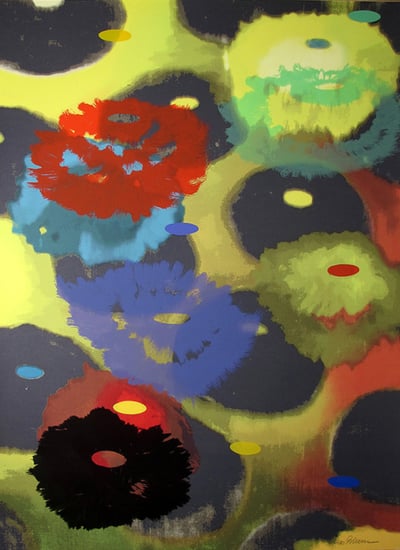
Ross Bleckner
PS III, 1997
Limited Edition Print
Screen-print
USD 3,575
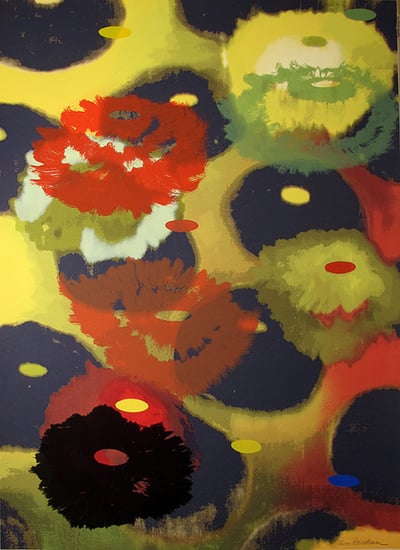
Ross Bleckner
PS I, 1997
Limited Edition Print
Screen-print
USD 3,575

Ross Bleckner
September 23rd bis (variant 4), 2016
Limited Edition Print
Lithograph
EUR 1,800

Ross Bleckner
September 23rd bis (variant 5), 2016
Limited Edition Print
Lithograph
EUR 1,800

Ross Bleckner
September 23rd bis (variant 6), 2016
Limited Edition Print
Lithograph
EUR 1,800

Ross Bleckner
September 23rd bis (variant 3), 2016
Limited Edition Print
Lithograph
EUR 1,800
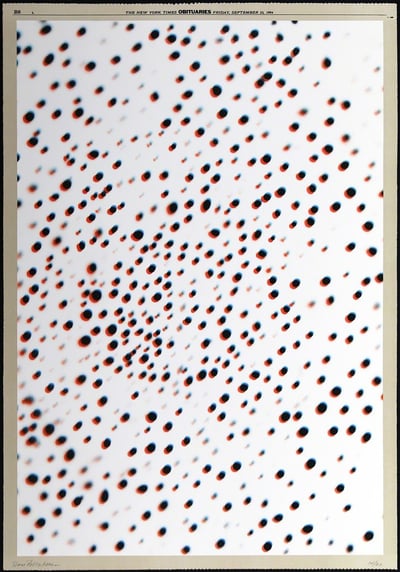
Ross Bleckner
September 23rd, 2016
Limited Edition Print
Lithograph
EUR 1,800
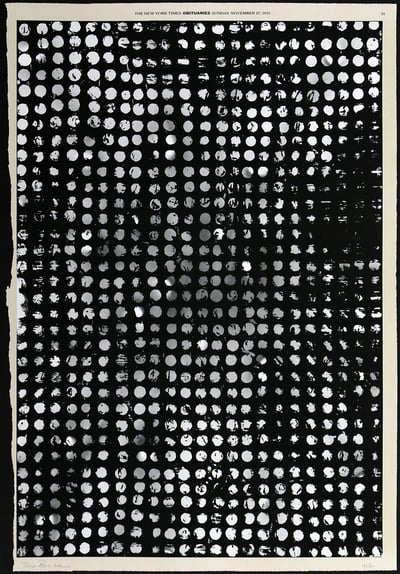
Ross Bleckner
November 27th, 2016
Limited Edition Print
Lithograph
EUR 1,800
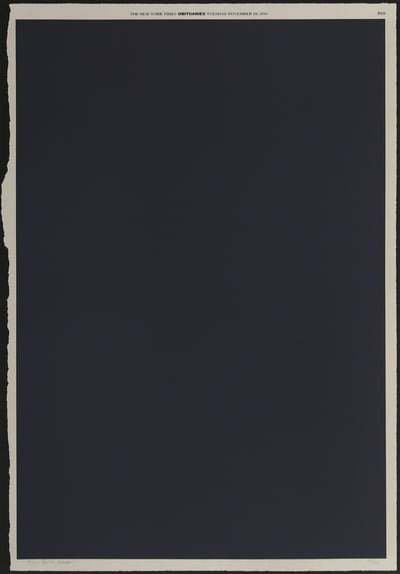
Ross Bleckner
November 29th, 2016
Limited Edition Print
Lithograph
EUR 1,800
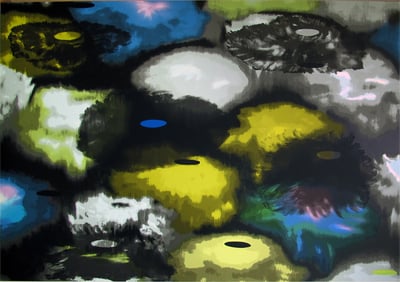
Ross Bleckner
Dream and Do I, 1997
Limited Edition Print
Screen-print
USD 3,400

Ross Bleckner
Dream and Do II, 1997
Limited Edition Print
Screen-print
USD 3,400

Ross Bleckner
September 23rd bis (variant 1), 2016
Limited Edition Print
Lithograph
Currently Not Available
Available works by Ross Bleckner
See all →Ross Bleckner
Untitled, 2001
Painting
Mixed Media
Inquire For Price
Ross Bleckner
PS III, 1997
Limited Edition Print
Screen-print
USD 3,575
Ross Bleckner
PS I, 1997
Limited Edition Print
Screen-print
USD 3,575
Ross Bleckner
September 23rd bis (variant 4), 2016
Limited Edition Print
Lithograph
EUR 1,800
Ross Bleckner
September 23rd bis (variant 5), 2016
Limited Edition Print
Lithograph
EUR 1,800
Ross Bleckner
September 23rd bis (variant 6), 2016
Limited Edition Print
Lithograph
EUR 1,800
Related Artists

What is Op Art?
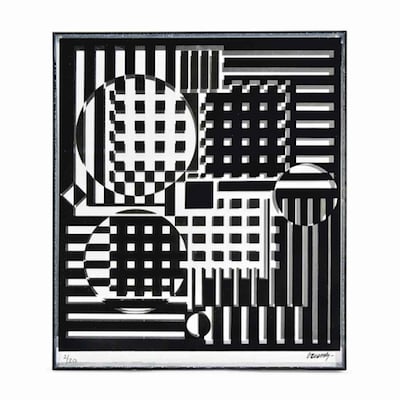
Op Art is a visual art style that uses optical illusions to create the impression of movement, vibrating patterns, flashing, or hidden images. The works are typically abstract, with many well-known pieces in black and white. The roots of Op Art can be traced back to earlier movements like Futurism, Constructivism, Dada, and Neo-Impressionism, particularly in their use of color effects and graphic design.

Ross Bleckner
September 23rd bis (variant 1), 2016
100 x 70 cm


