

Huang Yan
© Huang Yan. All rights reserved.

Huang Yan
Chinese Shanshui Tattoo, 1999
Photography
Photograph
EUR 3,670

Huang Yan
Face tattoo , 2005
Photography
Photograph
USD 16,000

Huang Yan
Landscape
Photography
Lambda print
EUR 10,150
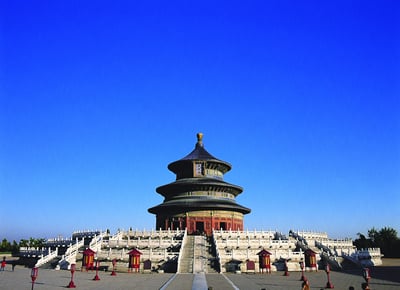
Huang Yan
Bird Tiantan No.1, 2006
Photography
Photograph
USD 4,850
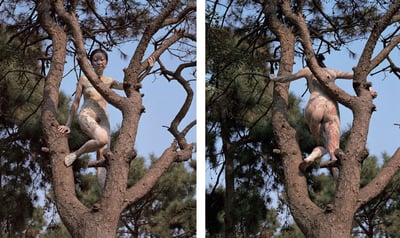
Huang Yan
Pinaster Landscape Diptych, 2007
Photography
Photograph
Inquire For Price
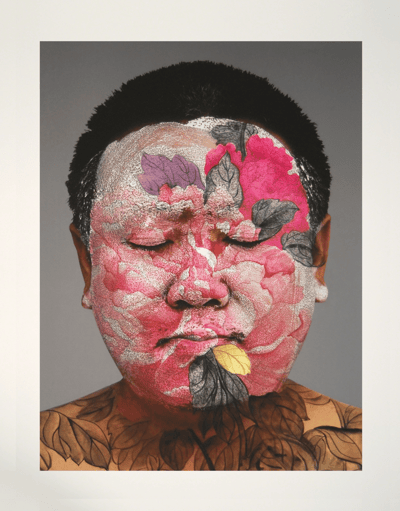
Huang Yan
Self Portrait, 2008
Limited Edition Print
Mixed Media
USD 1,350
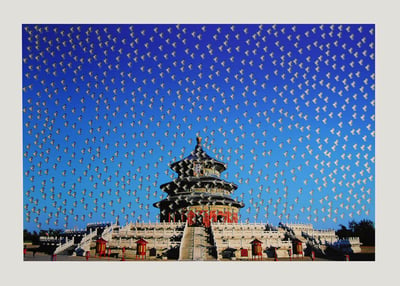
Huang Yan
Temple of Heaven, 2008
Limited Edition Print
Giclée printing
USD 850
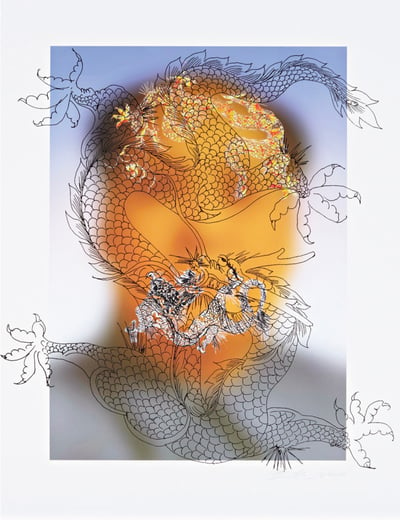
Huang Yan
Mao With Dragons, 2008
Limited Edition Print
Mixed Media
USD 850
No sold works to show.
- Huang Yan
Related Artists

Related Articles
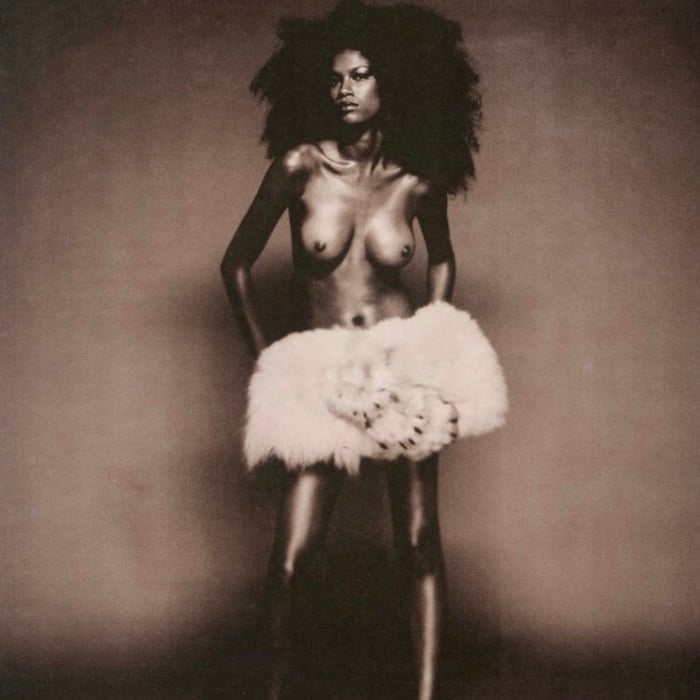
Collecting - March 27, 2025
Collecting Photography: A Beginner’s Guide to Fine Art Photos
Learn how to collect fine art photography—from print types and editioning to care tips and top photographers like Adams, Sherman, and Gursky.Read More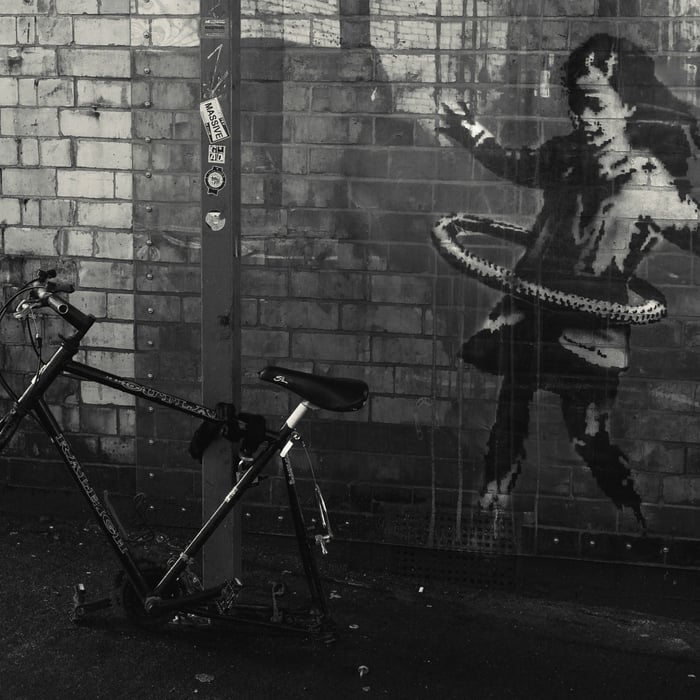
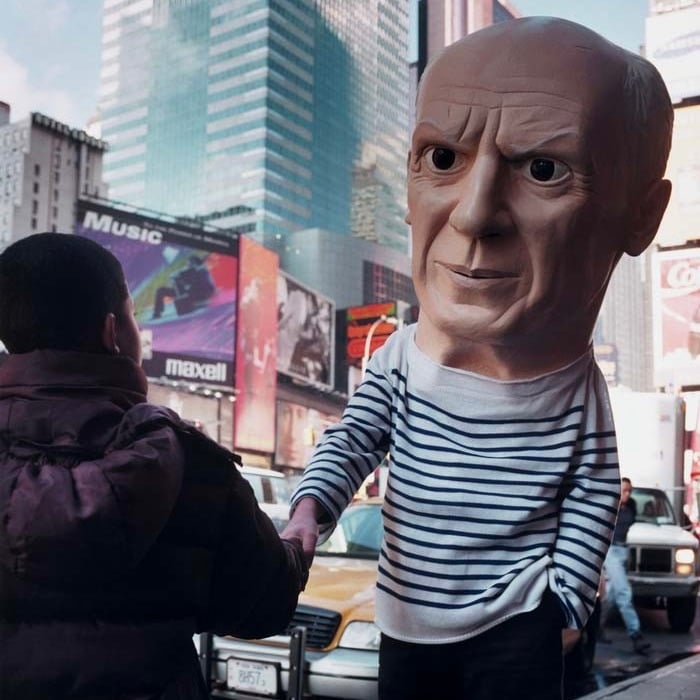
 Artwork by Wang Guangyi
What is Political Pop?
Political Pop was an art movement that emerged in China during the 1980s, blending the Pop Art style of Western countries with the socialist realism of China. This movement arose during a time of rapid social and political change in China, as artists sought to create works that questioned and critiqued these cultural shifts. Political Pop often juxtaposed ic…
Explore »

