

United States
The contemporary art scene in the United States is a dynamic fusion of diverse traditions and avant-garde explorations, resonating across the global art spectrum. Institutions like the Museum of Modern Art in New York and the Los Angeles County Museum of Art are central to this discourse, spotlighting artists from different backgrounds and mediums. Notable figures such as Jeff Koons, known for his monumental public sculptures, and Kara Walker, recognized for her poignant silhouettes and murals, contribute to the vibrant US artistic landscape. Major events like Art Basel Miami further underline the country's role as a nexus of contemporary art. Dive into the robust and compelling art scene of the United States on Composition Gallery's website.
- Show All
- Established
- Discoveries
- Show All
Artworks Related to United States
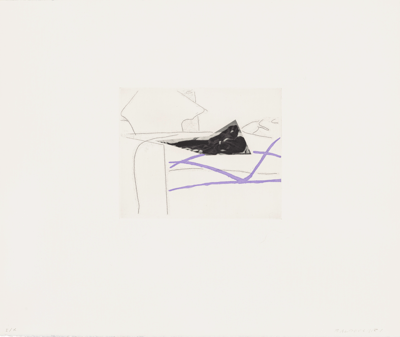
John Baldessari
Black Dice 5, 1982
Limited Edition Print
Etching and Aquatint
Inquire For Price
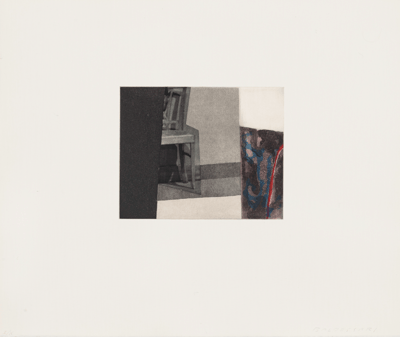
John Baldessari
Black Dice 4, 1982
Limited Edition Print
Etching and Aquatint
Inquire For Price

John Baldessari
Black Dice 3, 1982
Limited Edition Print
Etching and Aquatint
Inquire For Price

John Baldessari
Black Dice 2, 1982
Limited Edition Print
Etching and Aquatint
Inquire For Price
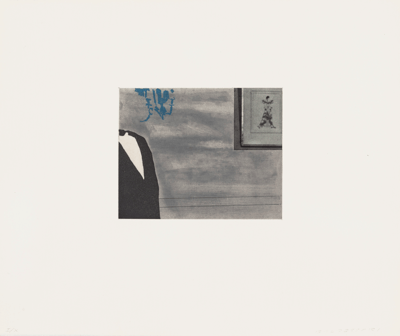
John Baldessari
Black Dice 1, 1982
Limited Edition Print
Etching and Aquatint
Inquire For Price
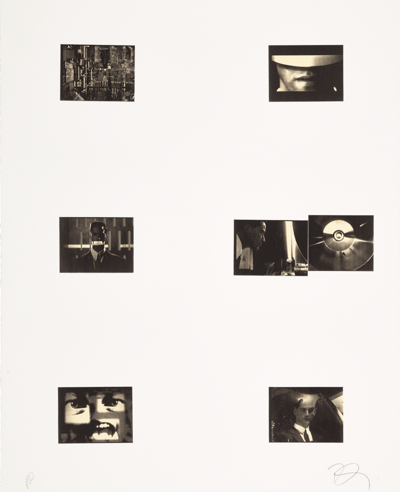
Robert Longo
Mnemonic Pictures 4, 1995
Limited Edition Print
Mixed Media
Inquire For Price
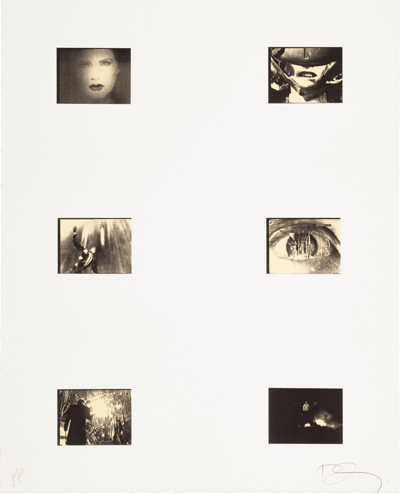
Robert Longo
Mnemonic Pictures 3, 1995
Limited Edition Print
Mixed Media
Inquire For Price
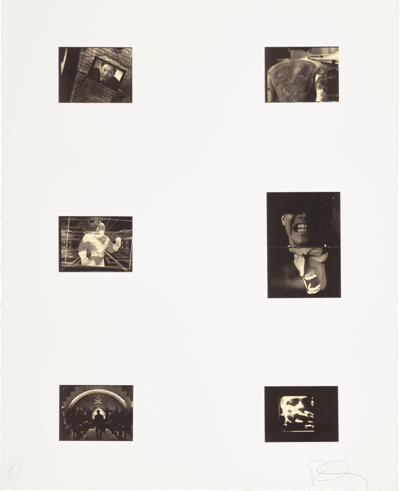
Robert Longo
Mnemonic Pictures 2, 1995
Limited Edition Print
Mixed Media
Inquire For Price
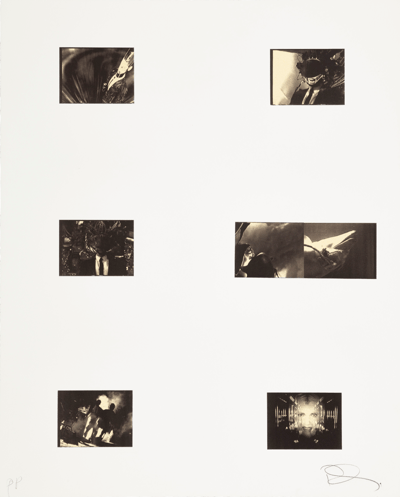
Robert Longo
Mnemonic Pictures 1, 1995
Limited Edition Print
Mixed Media
Inquire For Price

Sam Francis
Untitled (SF78-1010), 1978
Drawing / Watercolor
Acrylic on paper
EUR 21,200

Tom Wesselmann
Monica with Necklace, Hands Folded, 1985-1990
Sculpture / Object
Metal
EUR 37,500
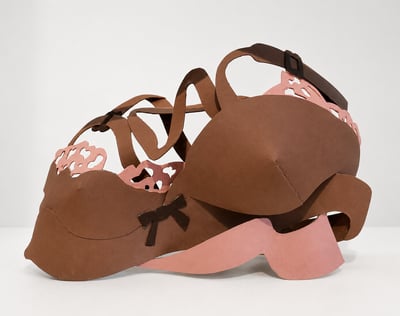
Tom Wesselmann
Tiny dropped bra #29 , 1984
Sculpture / Object
Mixed Media
EUR 16,600
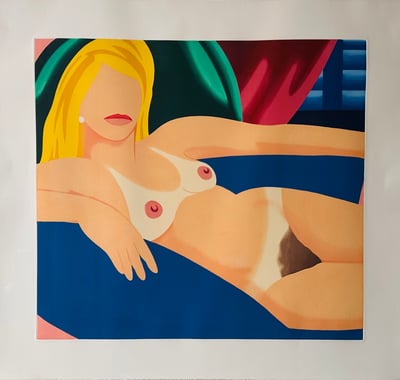
Tom Wesselmann
Nude, 1980
Limited Edition Print
Aquatint
EUR 14,875

Andy Warhol
Marilyn Monroe, 1967
Limited Edition Print
Screen-print
Inquire For Price

Andy Warhol
African Elephant, from Endangered Species (F. & S. 293), 1983
Limited Edition Print
Screen-print
Currently Not Available
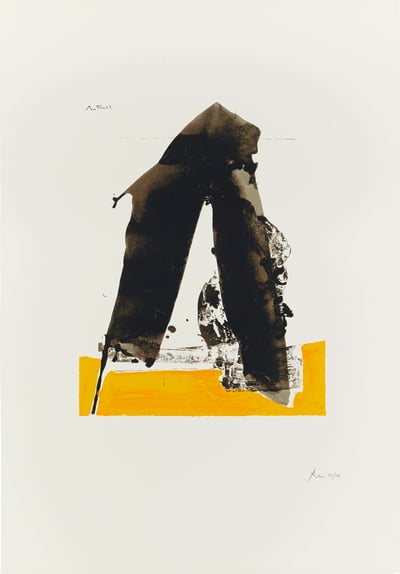
Robert Motherwell
Untitled 10 from The Basque Suite, 1970-71
Limited Edition Print
Screen-print
USD 2,650
Related Articles


Digital art refers to artistic practices or works that utilize digital technology as an essential component of both the creation and presentation process. Since the 1970s, various terms like multimedia and computer art have been used to describe this practice. Digital art is a subset of the broader category known as new media art, which has brought significant changes to the art world. Technology has transformed traditional forms of painting, drawing, sound/music, and sculpture into new digital formats, expanding the possibilities of artistic expression.

The Düsseldorf School of Photography refers to a group of photographers who studied under Bernd and Hilla Becher at the Kunstakademie Düsseldorf during the 1970s. This group was known for its devotion to the black-and-white industrial images characteristic of the German tradition known as New Objectivity. The photographers focused on precise, methodical documentation of industrial structures, often using a detached and objective approach.

Shock Art is an art movement that uses disturbing images, scents, or sounds to provoke a strong, often shocked, reaction from viewers. It is often regarded as a form of social commentary, with critics and supporters debating whether its impact is positive or negative. Shock Art frequently employs taboo, obscene, or outrageous elements to challenge societal norms and provoke critical thought.
Can't find your Answer?
Thank you! Your question has been sent — we'll get back to you shortly.
