

United States
The contemporary art scene in the United States is a dynamic fusion of diverse traditions and avant-garde explorations, resonating across the global art spectrum. Institutions like the Museum of Modern Art in New York and the Los Angeles County Museum of Art are central to this discourse, spotlighting artists from different backgrounds and mediums. Notable figures such as Jeff Koons, known for his monumental public sculptures, and Kara Walker, recognized for her poignant silhouettes and murals, contribute to the vibrant US artistic landscape. Major events like Art Basel Miami further underline the country's role as a nexus of contemporary art. Dive into the robust and compelling art scene of the United States on Composition Gallery's website.
- Show All
- Established
- Discoveries
- Show All
Artworks Related to United States
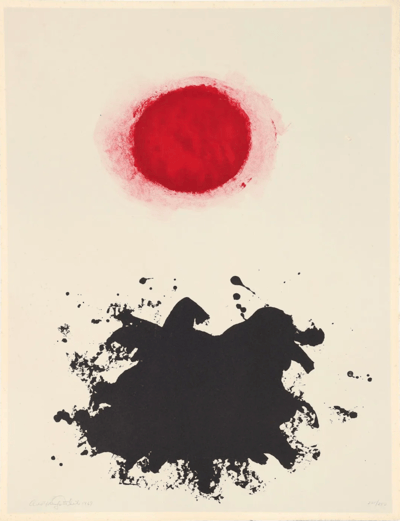
Adolph Gottlieb
Untitled (from the Flight portfolio), 1971
Limited Edition Print
Lithograph
Inquire For Price
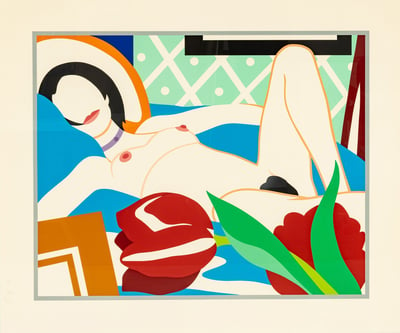
Tom Wesselmann
Monica with Tulips, 1989
Limited Edition Print
Screen-print
USD 12,950
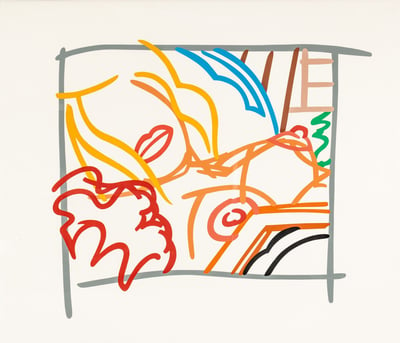
Tom Wesselmann
Bedroom Blonde Doodle with Photo, 1988
Limited Edition Print
Screen-print
USD 13,500
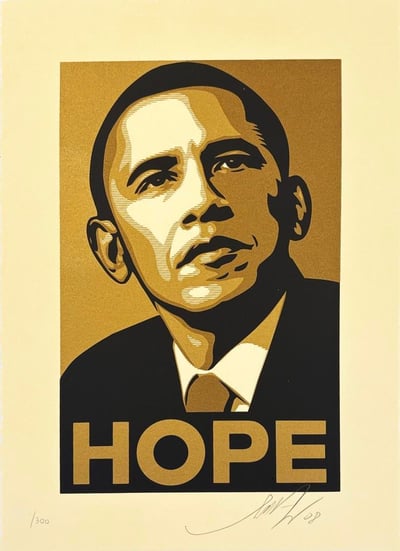
Shepard Fairey
Obama Hope Gold, 2008
Limited Edition Print
Screen-print
Inquire For Price
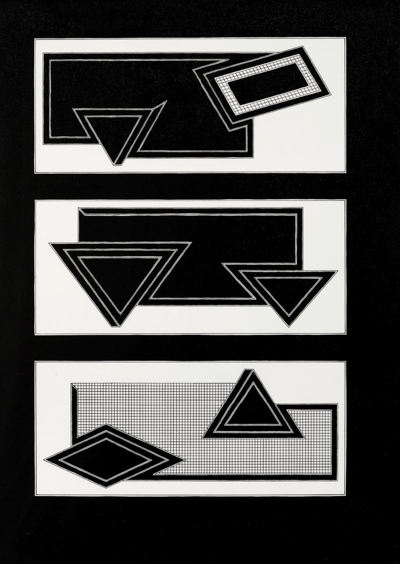
Frank Stella
Black Stack, 1970
Limited Edition Print
Lithograph
Inquire For Price

Andy Warhol
Campbell's Soup Can: Cream of Mushroom, 1968
Limited Edition Print
Screen-print
GBP 75,000 - 97,500
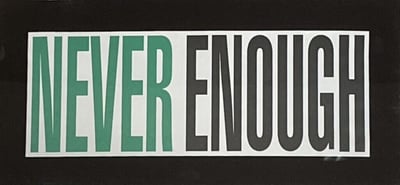
Barbara Kruger
Swimming Pool, 2019
Limited Edition Print
Screen-print
GBP 2,250 - 2,900
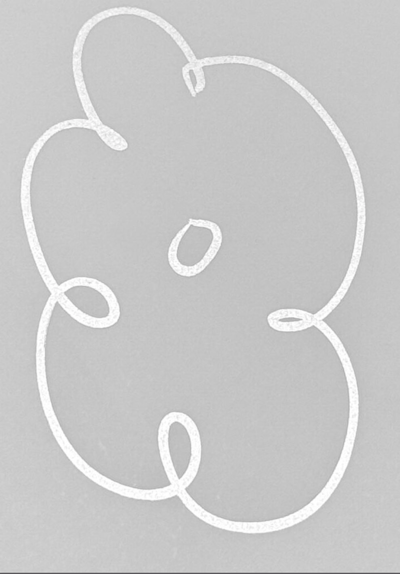
Jeff Koons
Untitled (flower), 1993
Drawing / Watercolor
Ink
GBP 35,000 - 45,000
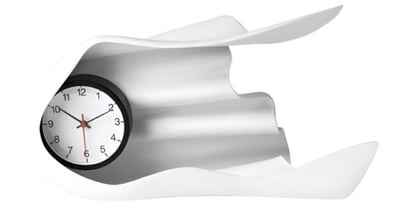
Daniel Arsham
Falling Clock, 2021
Sculpture / Object
Mixed Media
GBP 1,300
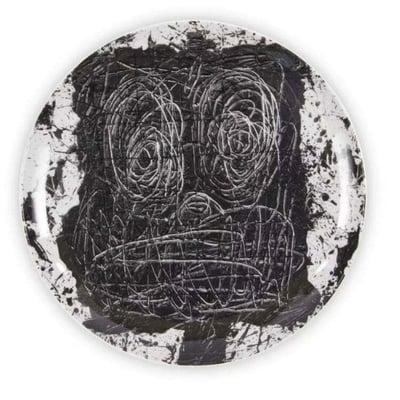
Rashid Johnson
Anxious Man, 2017/2021
Sculpture / Object
Plate
GBP 1,950 - 2,500
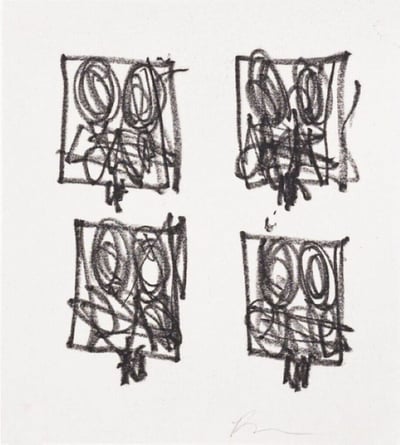
Rashid Johnson
Untitled (Anxious Man), 2023
Limited Edition Print
Etching
GBP 5,500 - 7,100
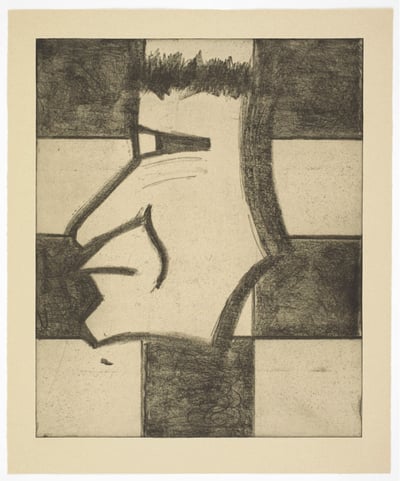
Joe Bradley
Untitled, 2018
Limited Edition Print
Etching
GBP 680
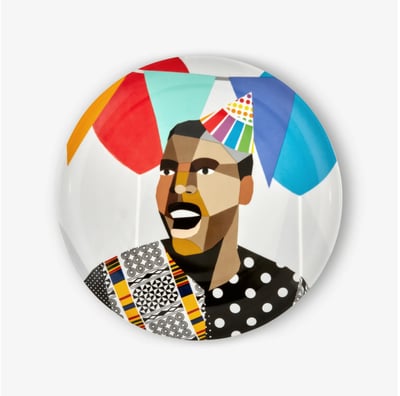
Derrick Adams
Untitled, 2023
Sculpture / Object
Plate
GBP 1,890
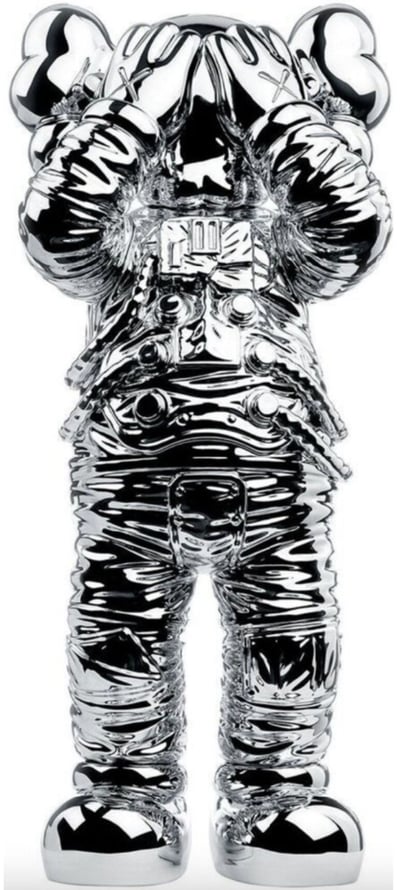
KAWS
Holiday Space: 11.5, 2020
Sculpture / Object
Mixed Media
GBP 3,500
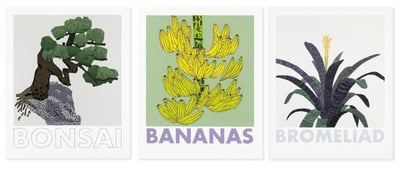
Jonas Wood
Bonsai, Banana and Bromelaid, 2020
Limited Edition Print
Screen-print
GBP 25,000 - 32,500
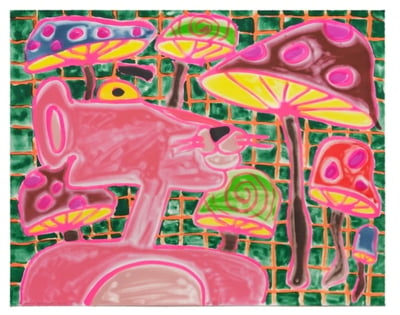
Katherine Bernhardt
Humid, 2024
Limited Edition Print
Lithograph
GBP 4,950 - 6,400
Related Articles
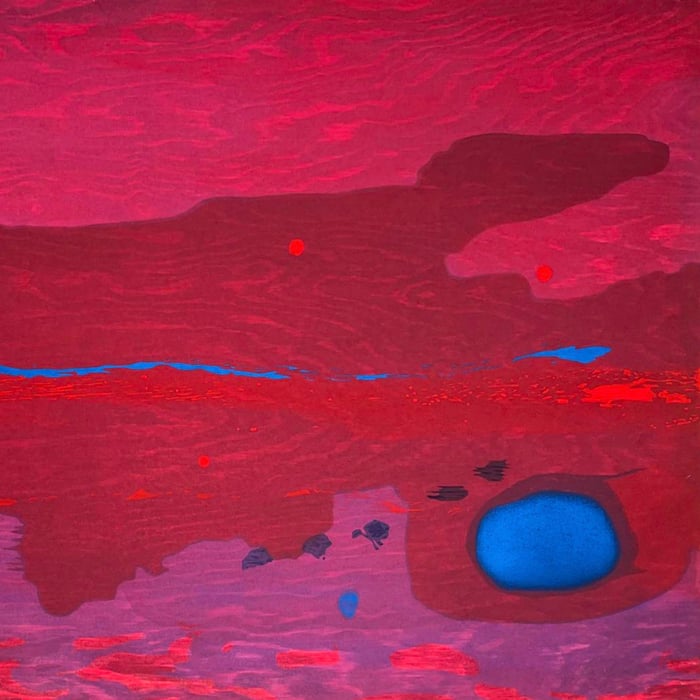

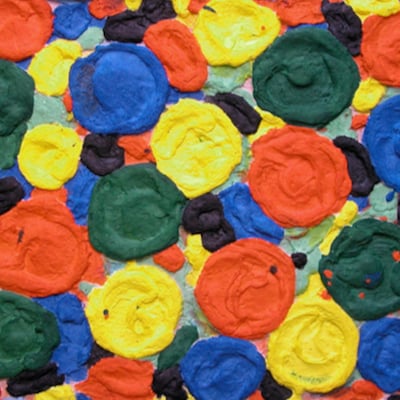
Aquagravure is a technique that combines multiple processes. It involves compressing wet paper pulp in a carved wood mold until the water drains off. The compressed paper is then painted, and ink is added to the mold to print onto the painted paper. The final work is allowed to dry. This method results in a unique textural and visual effect, blending elements of printmaking and papermaking.
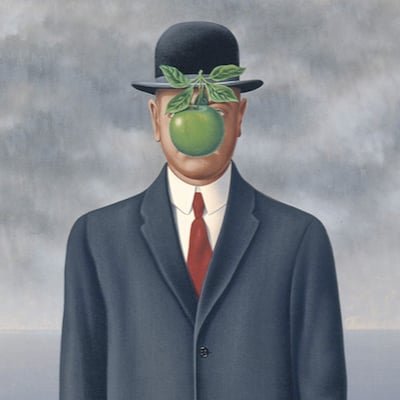
Surrealism began in the 1920s as an art and literary movement with the goal of revealing the unconscious mind and unleashing the imagination by exploring unusual and dream-like imagery. Influenced by Sigmund Freud’s theories of psychoanalysis, Surrealist artists and writers sought to bring the unconscious into rational life, blurring the lines between reality and dreams. The movement aimed to challenge conventional perceptions and express the irrational aspects of the human experience.
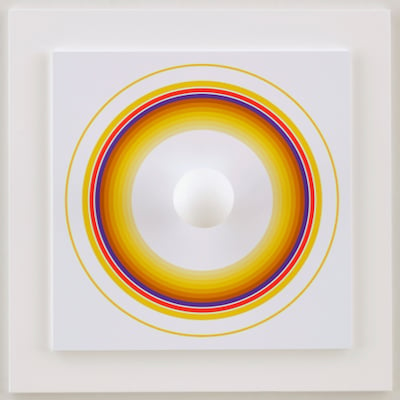
Monotype is a printmaking technique where an image is painted or drawn on a nonabsorbent, smooth surface, traditionally an etching plate of copper, but now also acrylic, zinc, or glass. The image is then transferred to paper using a printing press, creating a unique print. The first pressing removes most of the ink, making it difficult to produce additional prints with the same richness, resulting in a one-of-a-kind artwork.
Can't find your Answer?
Thank you! Your question has been sent — we'll get back to you shortly.
